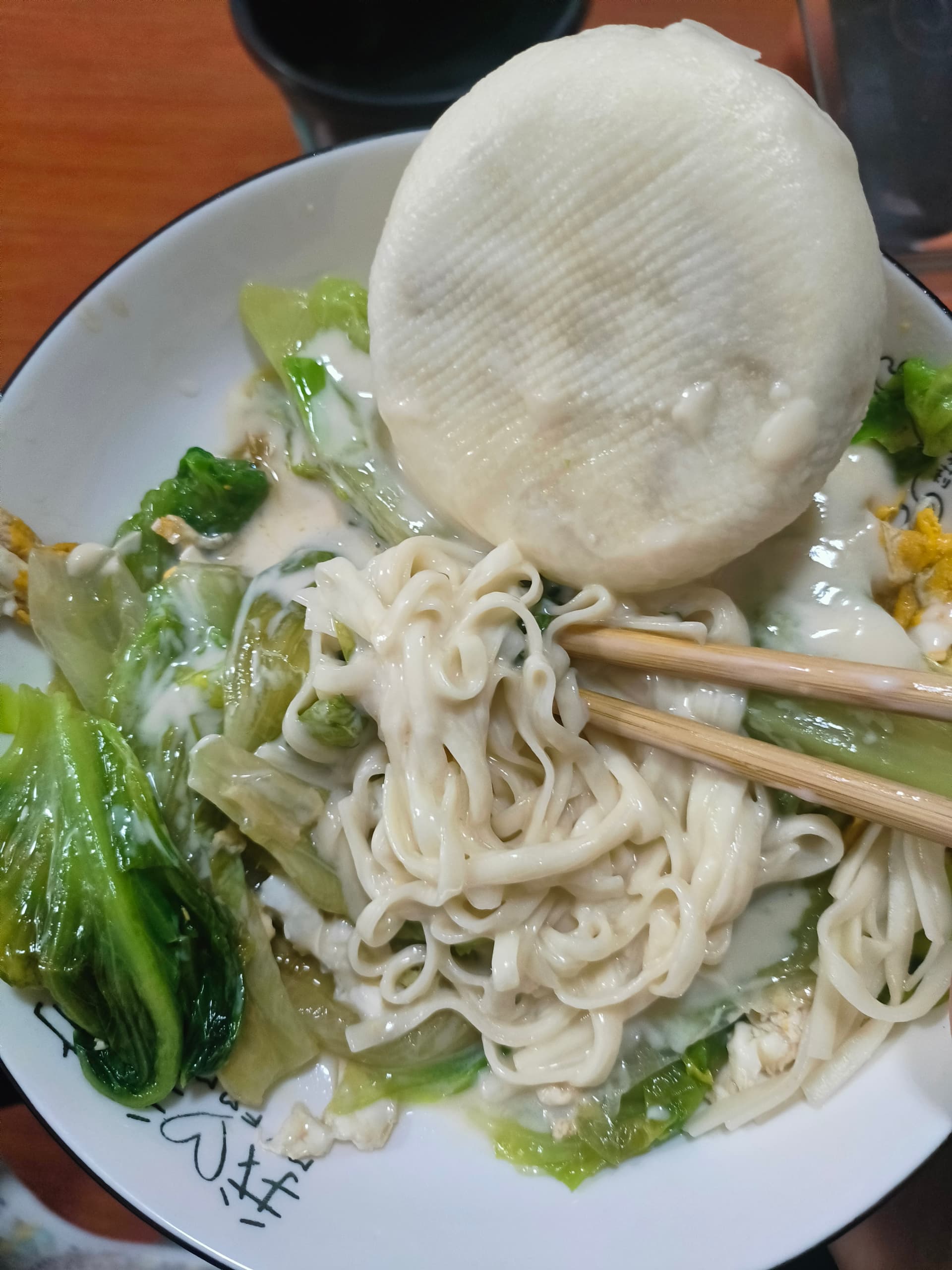
Steamed buns, noodles, lettuce, fried egg salad
1 Like
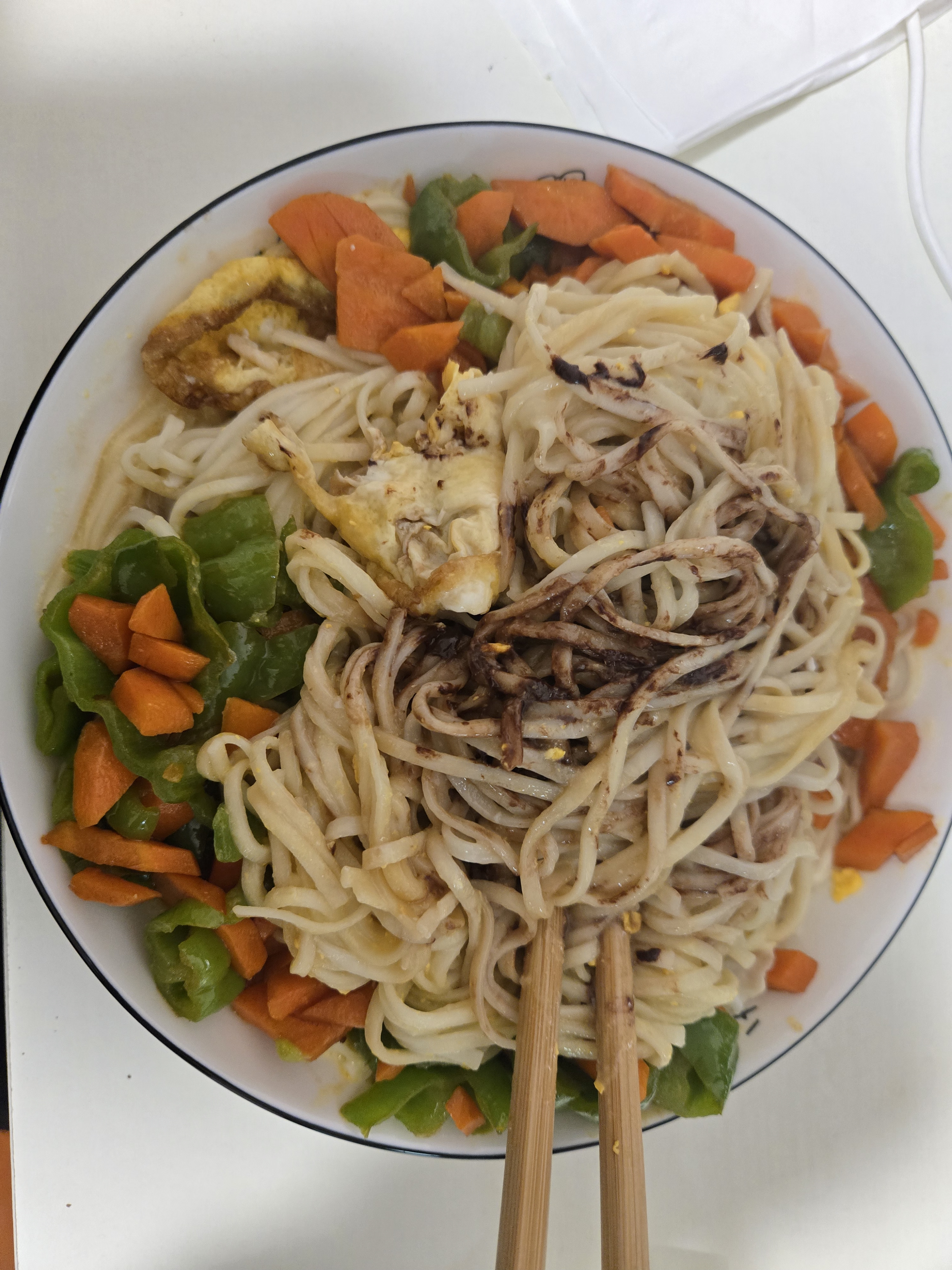
Today’s dinner
2 Likes
Today’s dinner
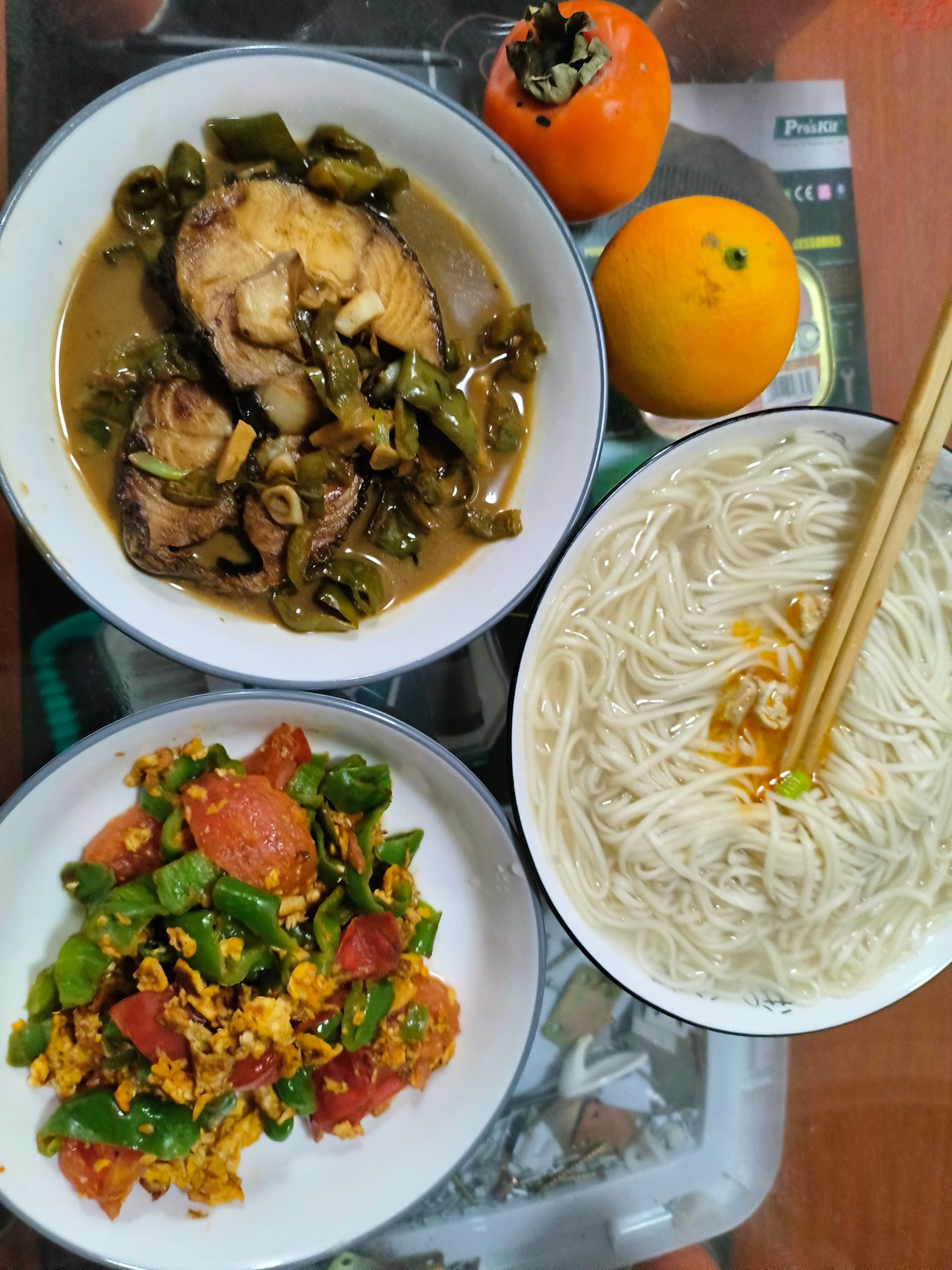
Tonight I want to eat some  , originally I wanted to go to McDonald’s for a Filet-O-Fish, but after returning home I didn’t want to take the subway, so I took the frozen fish out of the fridge and cooked it myself. It ended up taking a long time, and I regret that if I had decided an hour ago to go to McDonald’s, I would have already finished eating and be back now
  .
.
2 Likes
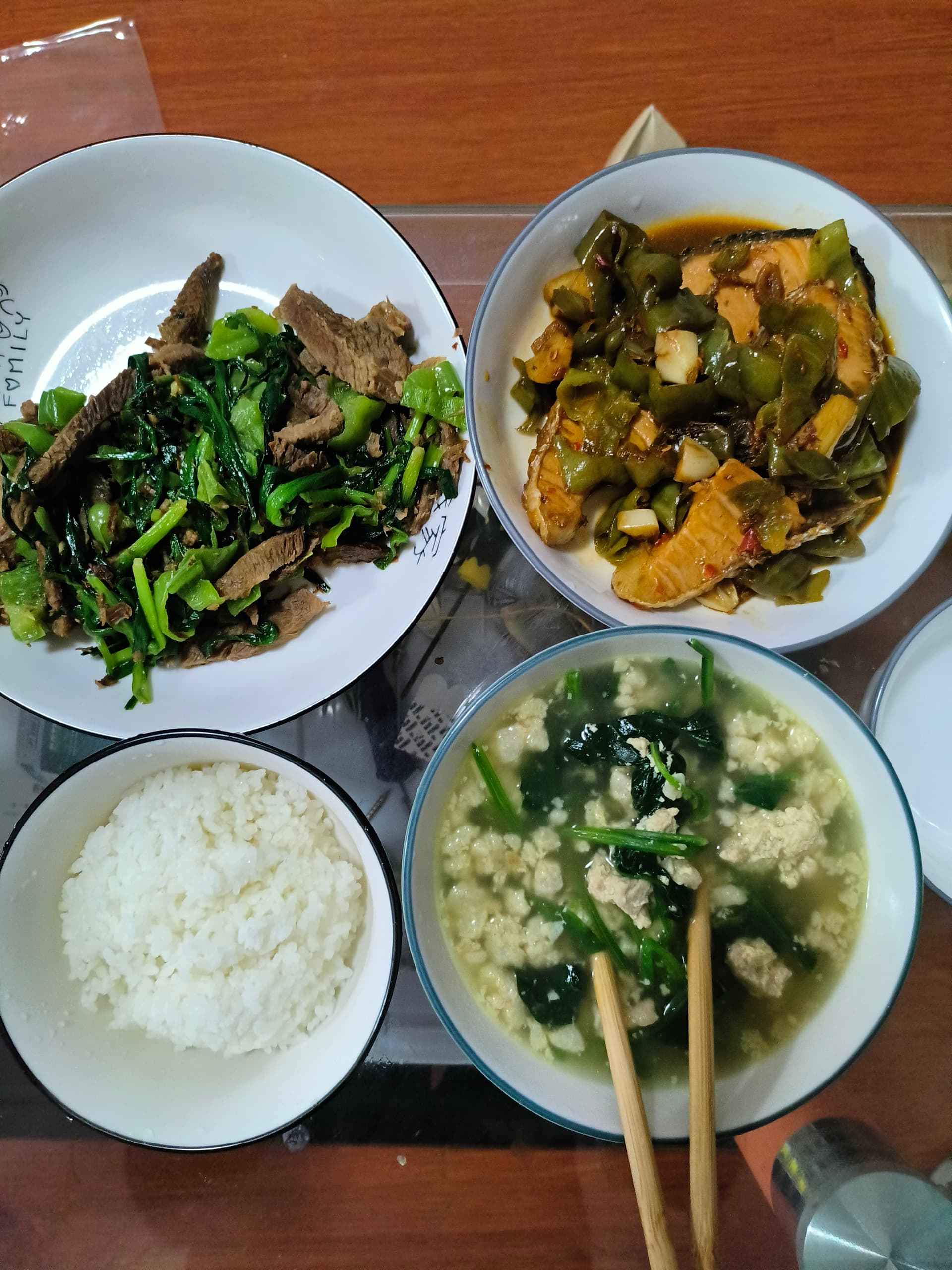
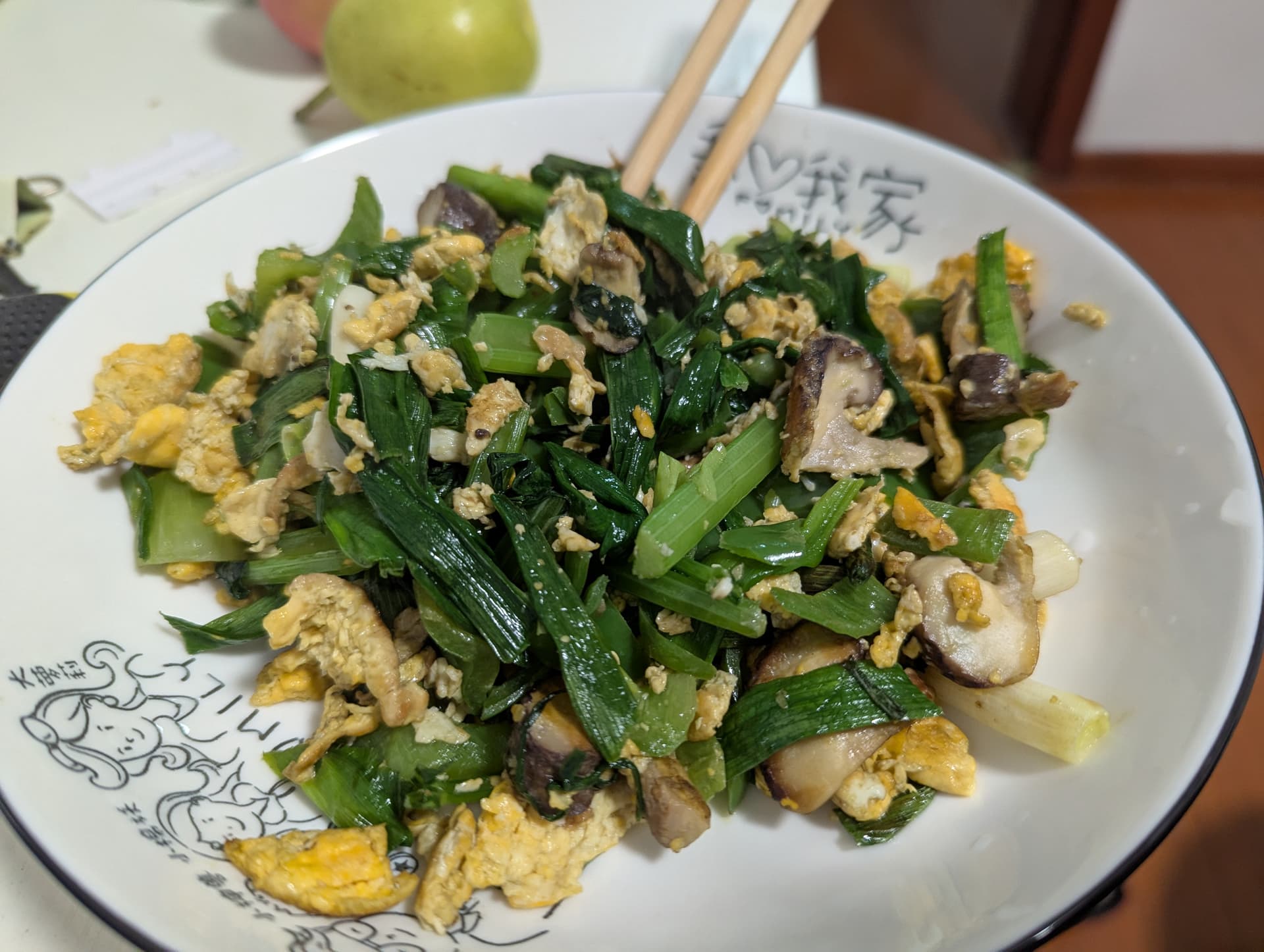
Dish name: Mixed Hundred Flavors
2 Likes

A whole bowl of radish sticks in a day 
1 Like
As cute as a bunny 
I can’t take it, I’m about to vomit 
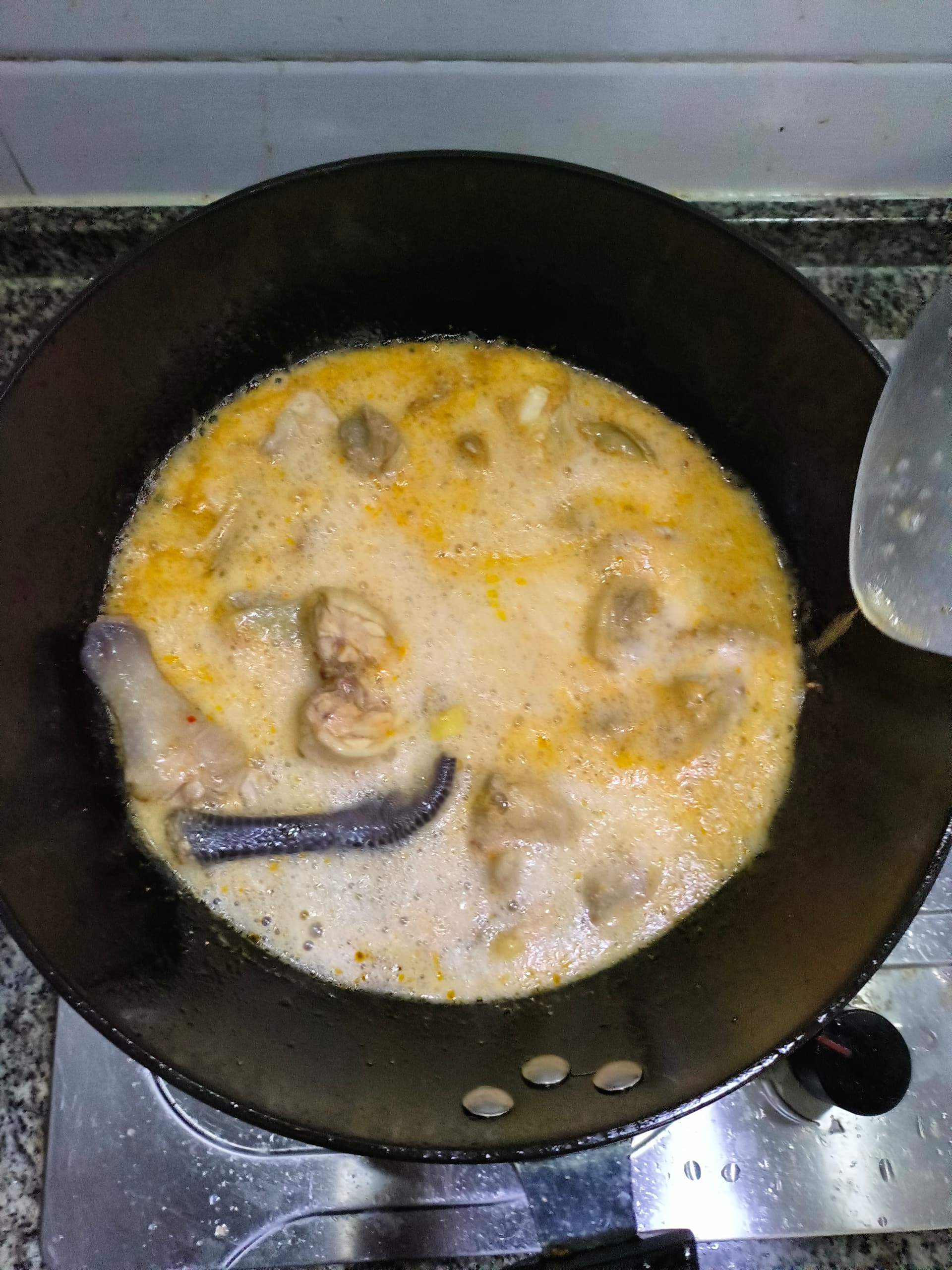
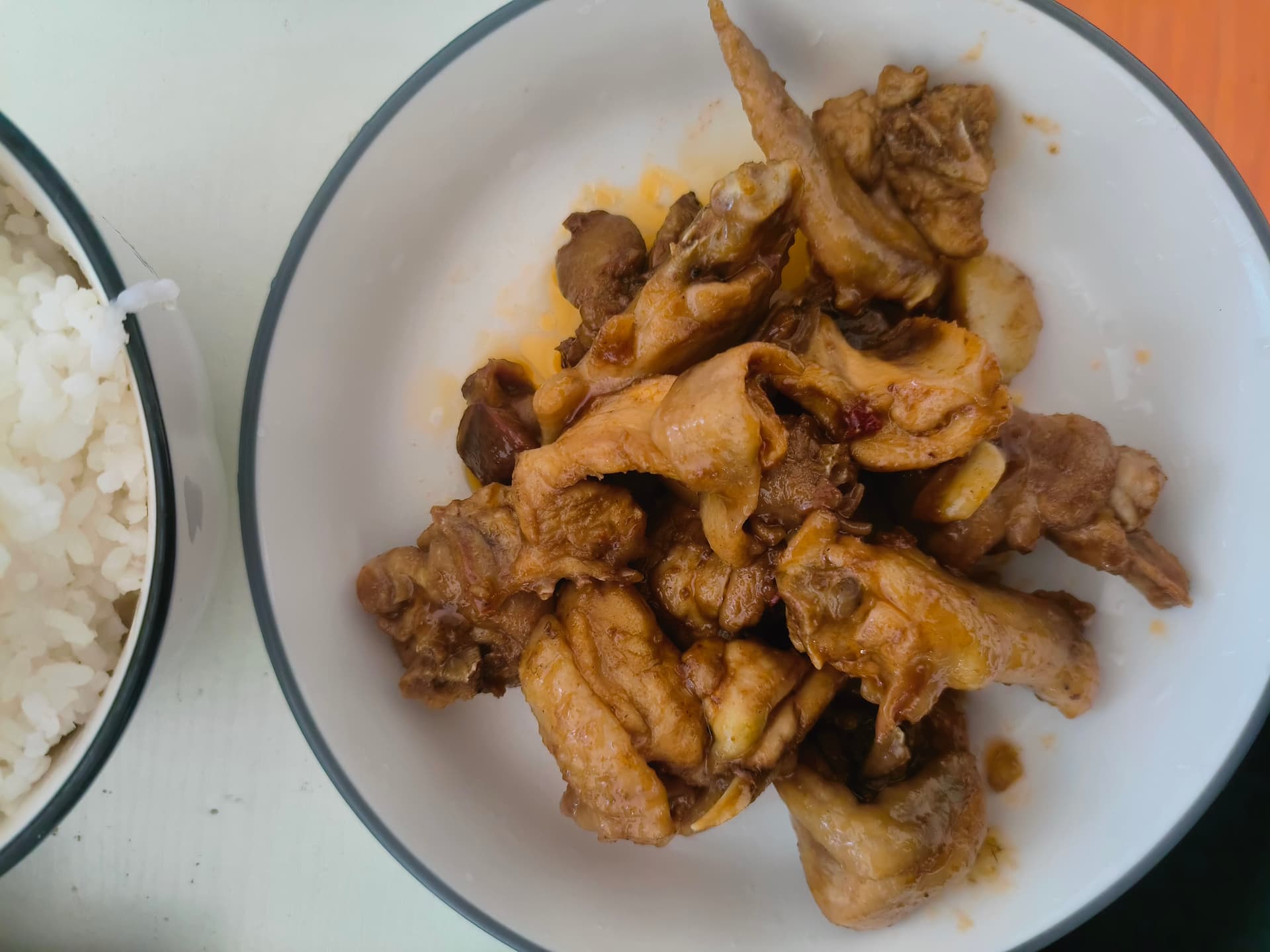
Because I only ate a carrot at noon and almost threw up, I grilled a beer chicken in the evening 
It tastes great.
4 Likes
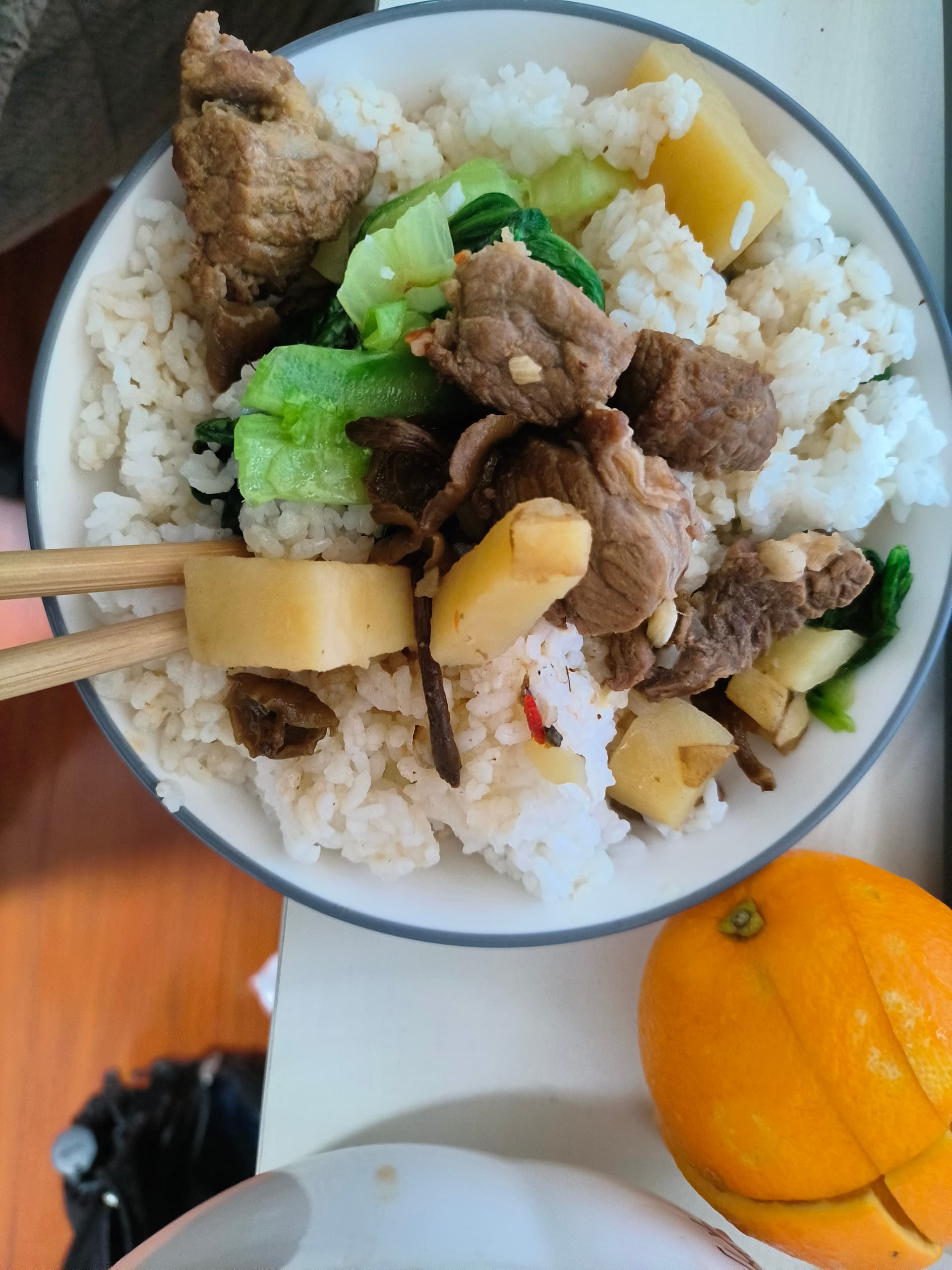
Today’s dinner
6 Likes

Today I’m developing a simple feature for an armv7 Freescale embedded Linux server using Rust. It should have been easy to support cross‑compilation, but in practice I found that simply running cargo build --release --target=armv7-unknown-linux-gnueabihf is not enough.
First, cat /proc/cpuinfo shows that it’s an arm v7, rev10 (v7l). There are many corresponding Rust targets, such as armv7-unknown-linux-gnueabi and armv7-unknown-linux-gnueabihf. The only difference is the hf (hard‑float). The command above indicates that the supported instruction sets include vfp/vfpv3, which means hard‑float is supported.
Then cargo build --release --target=armv7-unknown-linux-gnueabihf fails because the system does not have a gcc capable of producing arm binaries.
A quick search revealed that cross can be used, so I ran cross build --release --target=armv7-unknown-linux-gnueabihf. It complained that clang could not be found. The reason was that cross incorrectly injected the linker = "clang" setting from ~/.cargo/config.toml for [target.x86_64-unknown-linux-gnu] into the container. Renaming the config file removed the error.
However, after copying the binary to the arm device and running it (after chmod +x), I got a bizarre error: ./XXX: No such file or directory. It turned out that the binary had been mistakenly compiled for x86.
After confirming the architecture was correct, I tried again and got /lib/libm.so.6: version 'GLIBC_2.XX' not found, indicating that static linking was needed.
Using rustflags = ["-C", "target-feature=+crt-static"] and running again produced FATAL: kernel too old\nAborted. The kernel is too old (3.14) and does not support some Tokio features.
Therefore I added no-default-features to Tokio and removed unnecessary features such as rt-multi-thread. I also switched from GNU to musl for this build:
cross build --release --target=armv7-unknown-linux-musleabihf
Finally, it runs correctly.
4 Likes
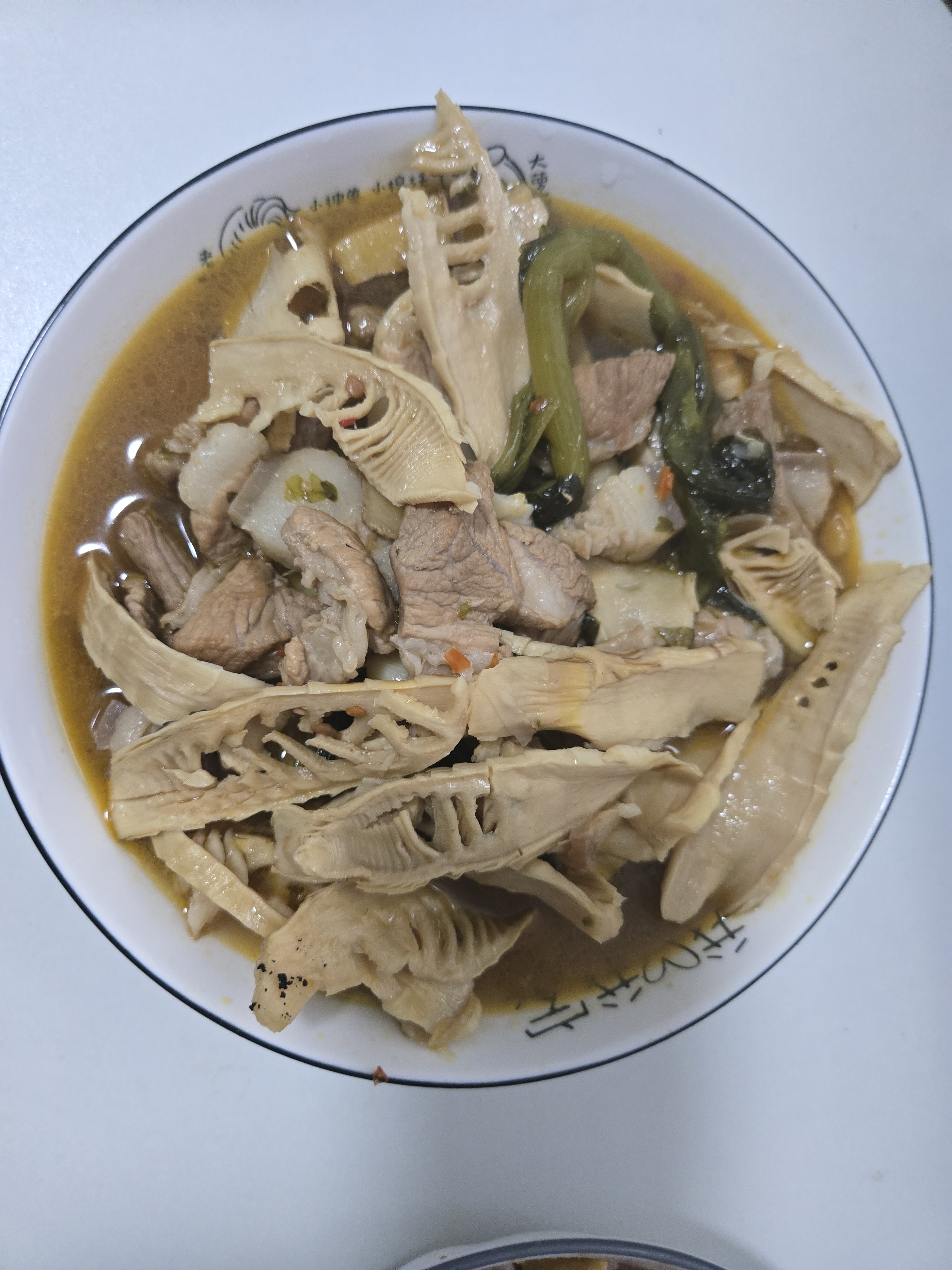
 :
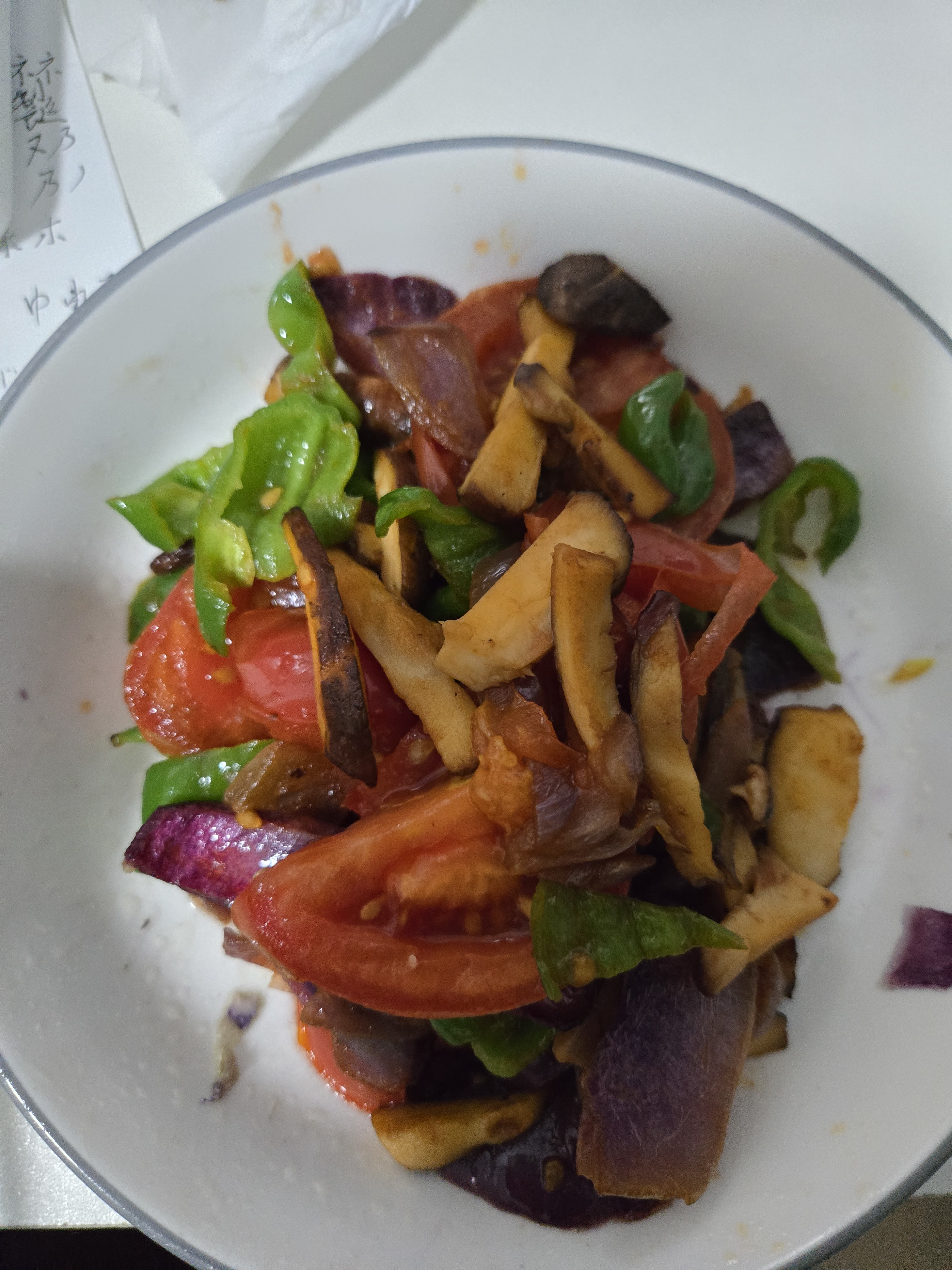
:
Last week I argued with my parents about buying a house; I said I wouldn’t buy it, but they insisted on negotiating the price with the landlord.
Then I analyzed the reasons for my pain and dug up a bunch of old memories,
In recent years I have thought:
I am just a walking corpse; being alive is not much different from being dead.
I have lived an ascetic life since childhood, often self‑harm (not necessarily wrist cutting), often say one thing and think another.
Disguise and lies fill my life.
I said I’m fed up with life and want to experience a different life.
What’s the point of being alive?
I’ve long felt that I’m going crazy.
Feeling depressed, I didn’t know what to do on the weekend, so I went out to wander aimlessly.
But my mood and actions were contradictory; when I reached the entrance of a scenic spot, I thought the small place wasn’t worth the ticket price, so I didn’t go in.
Because of an unexpected 80% reason, I quit a certain app, which seemed to improve
6 Likes
Revolution doesn’t necessarily have to involve grand, dramatic sacrifices. As more and more people begin to reject preconceptions and constraints in everyday matters and face reality head‑on, a major transformation is already taking place.
1 Like