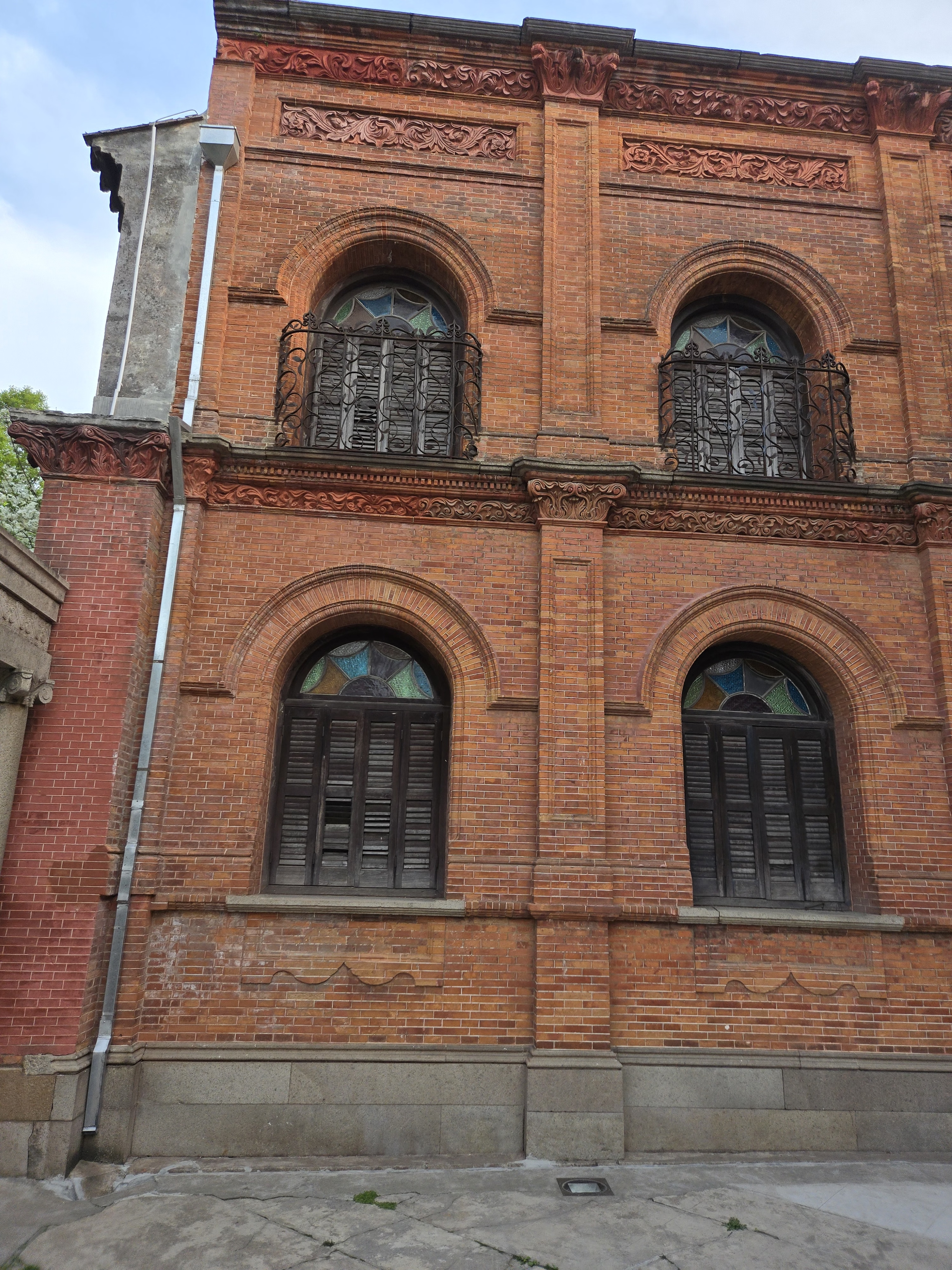
I recently took a 3‑day tour in northern Zhejiang and southern Su.
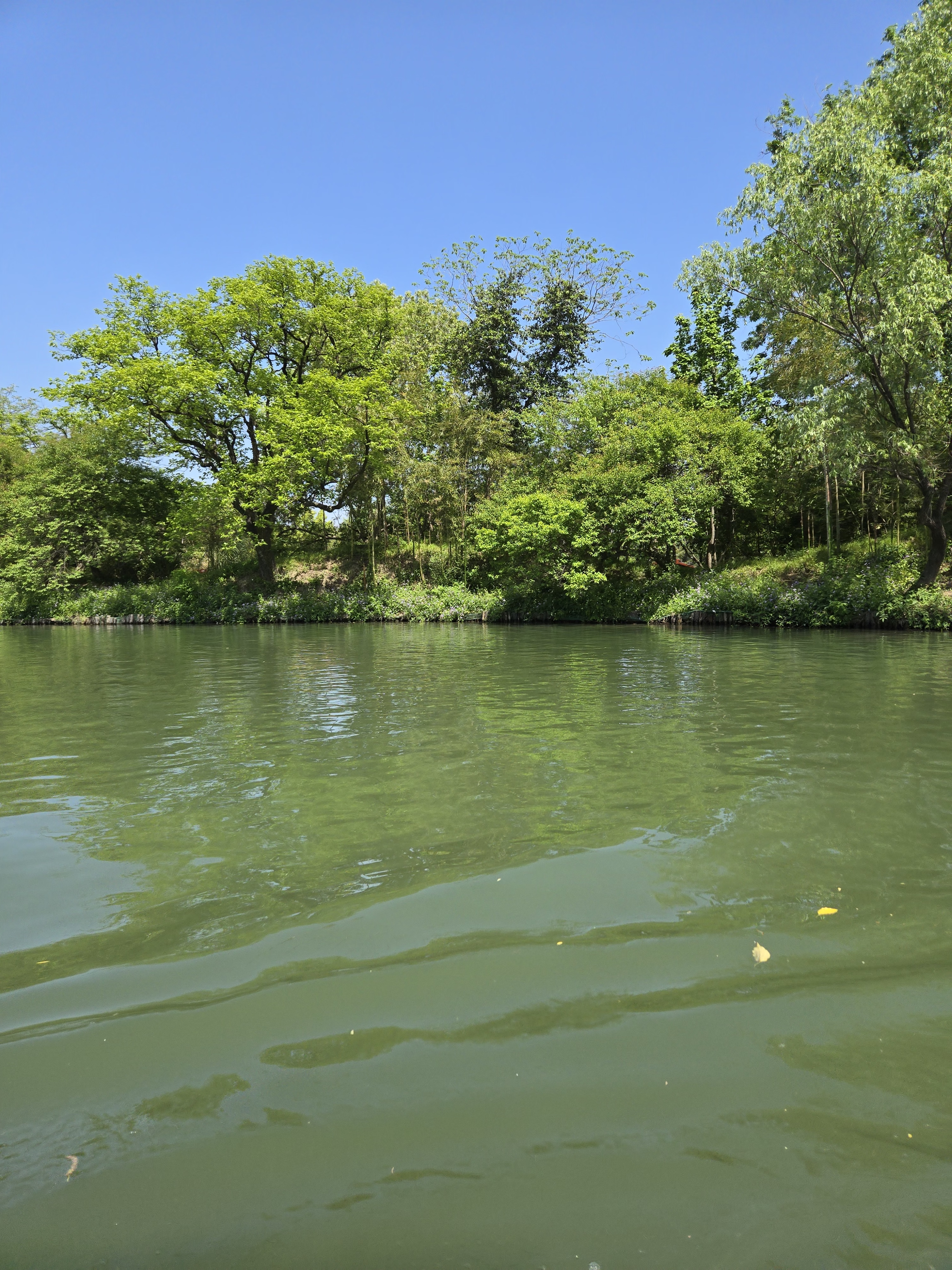
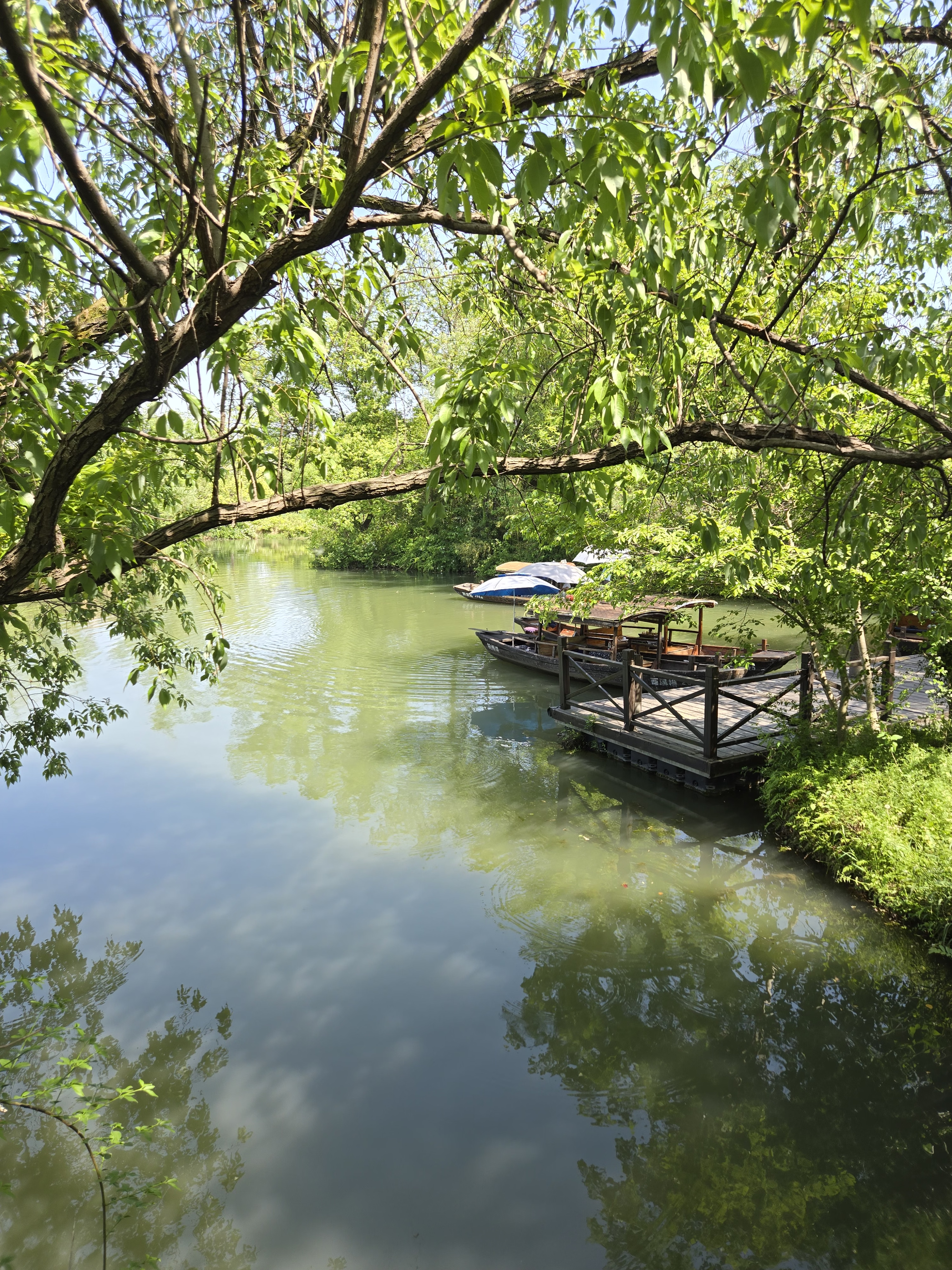
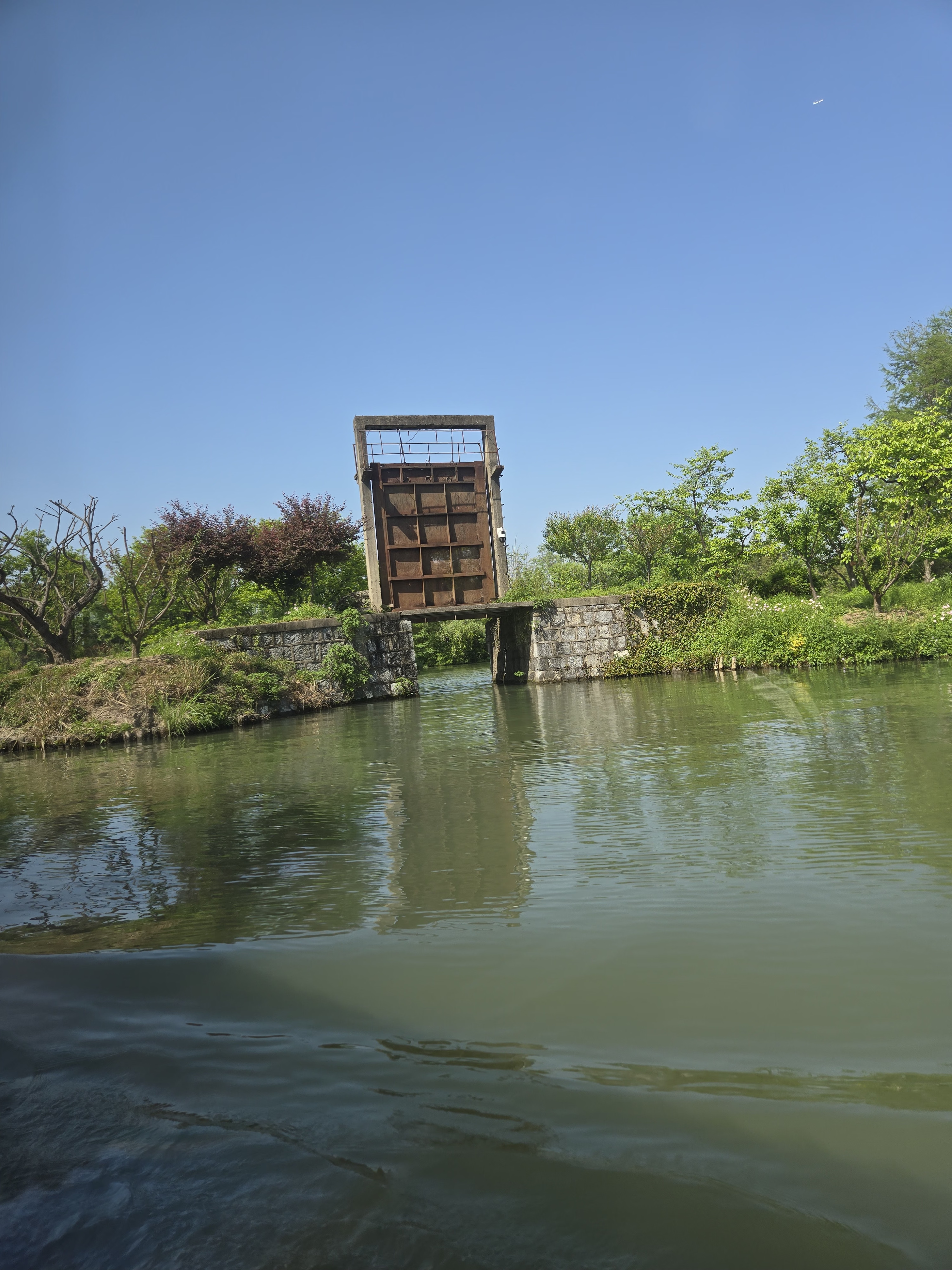
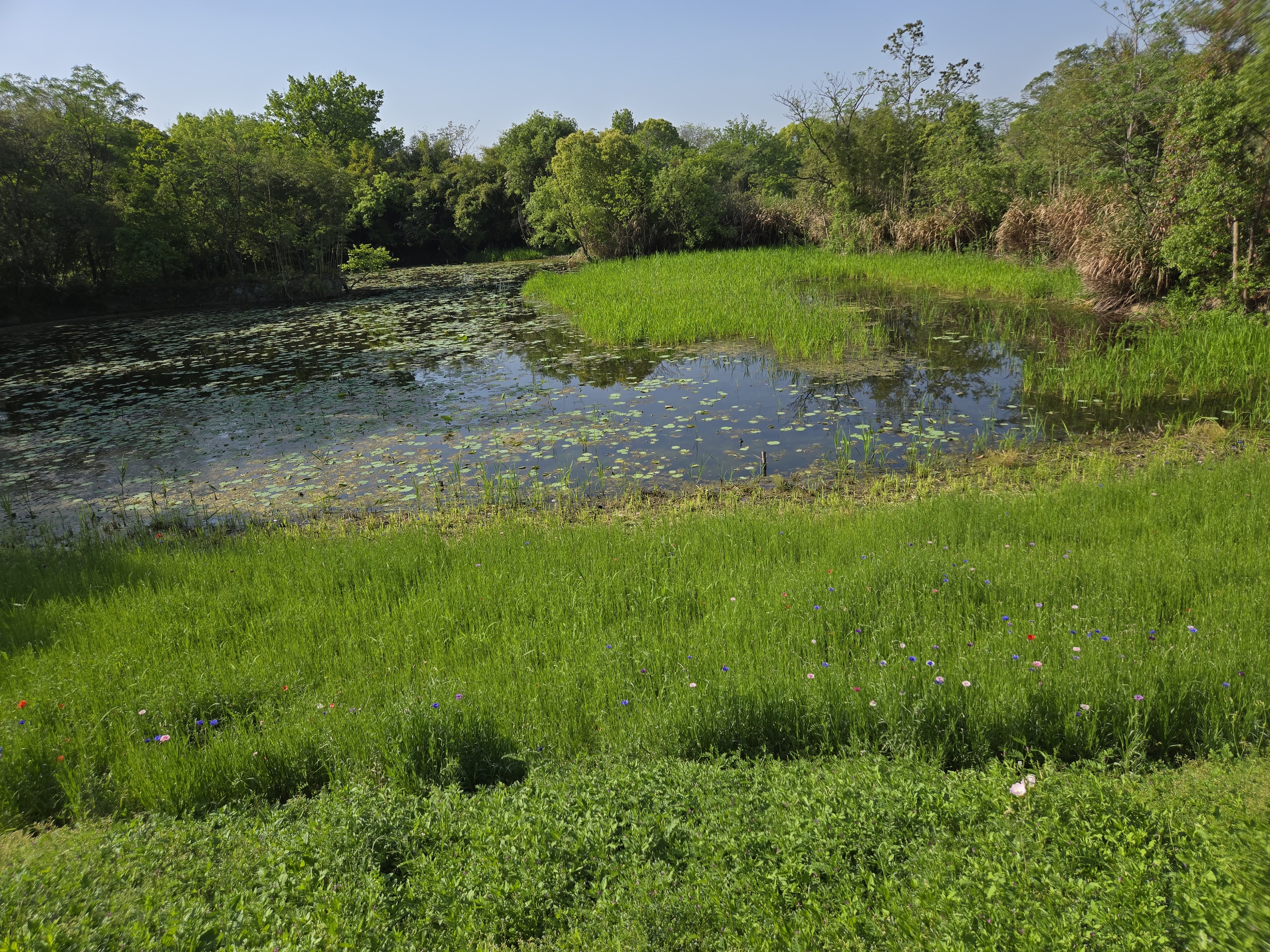
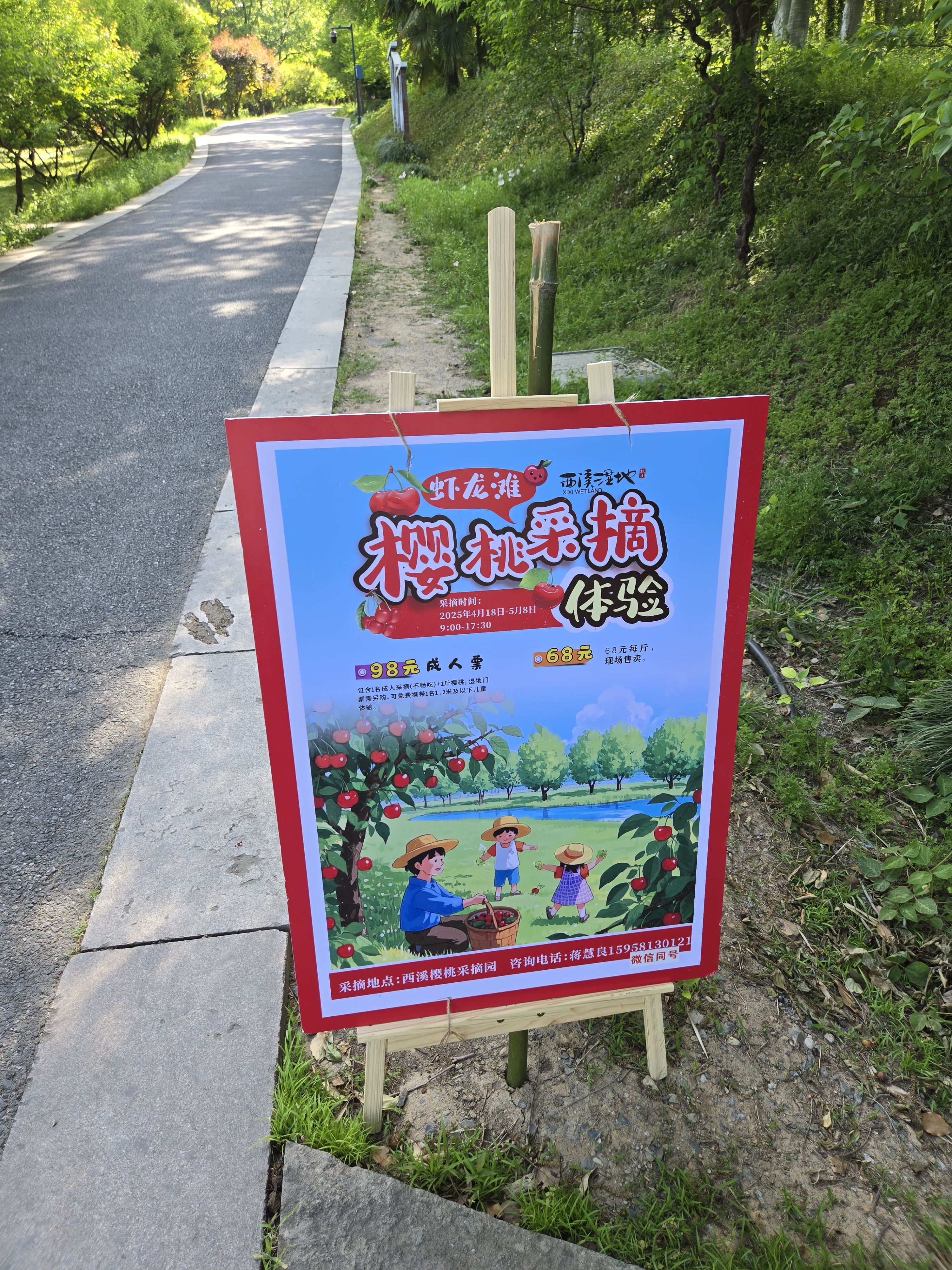
First I visited the Xixi Wetland Scenic Area, enjoying the fresh greenery. At the edge of the wetland you can hear the constant traffic noise from the nearby road, reminding you that you’re still in the city. Experiencing the countryside inside a city comes at a higher cost. It’s recommended to go during the flowering season, especially during the plum blossom period; otherwise you might feel a sense of loss as if you’ve arrived at a desolate rural area.
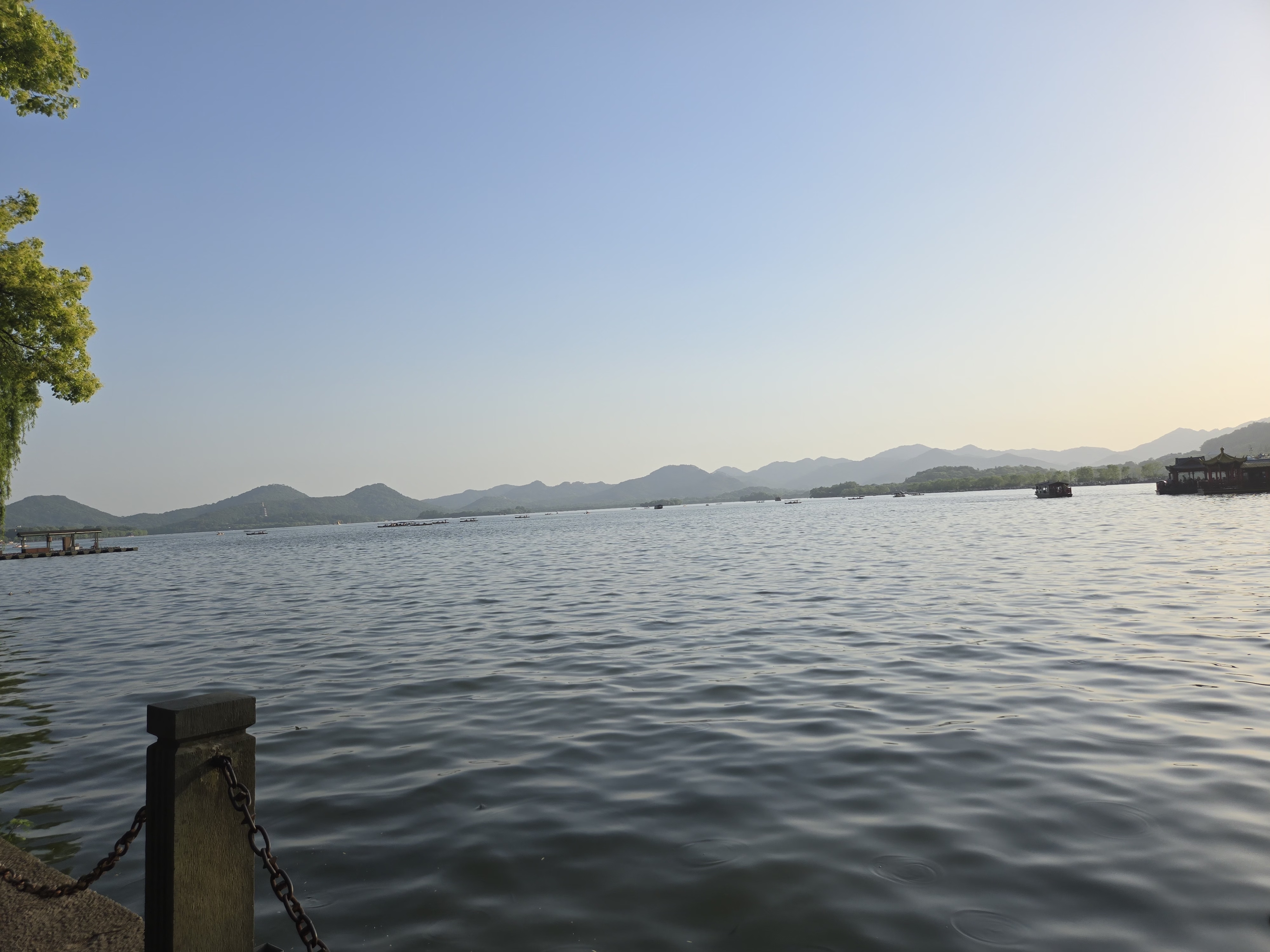
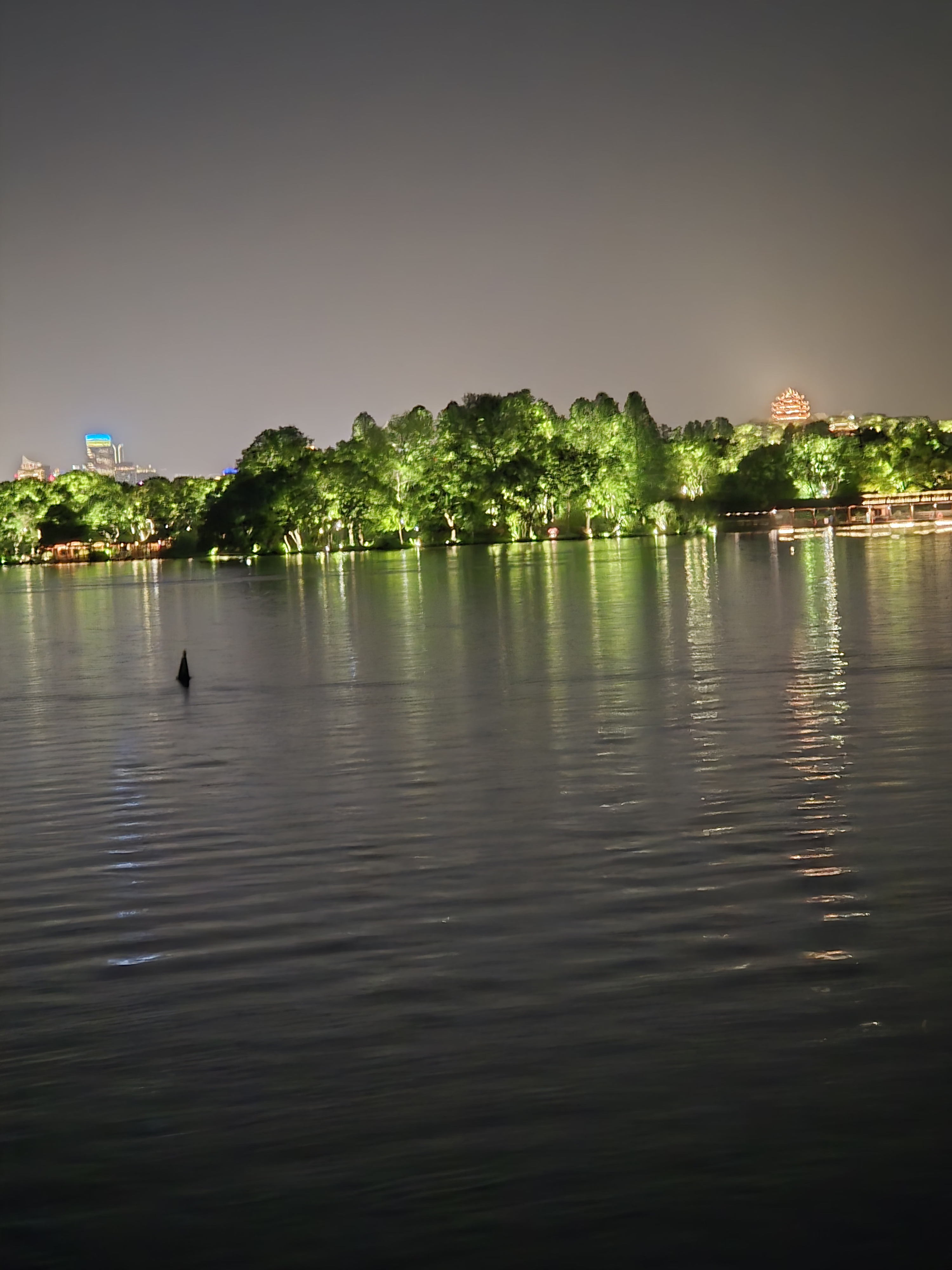
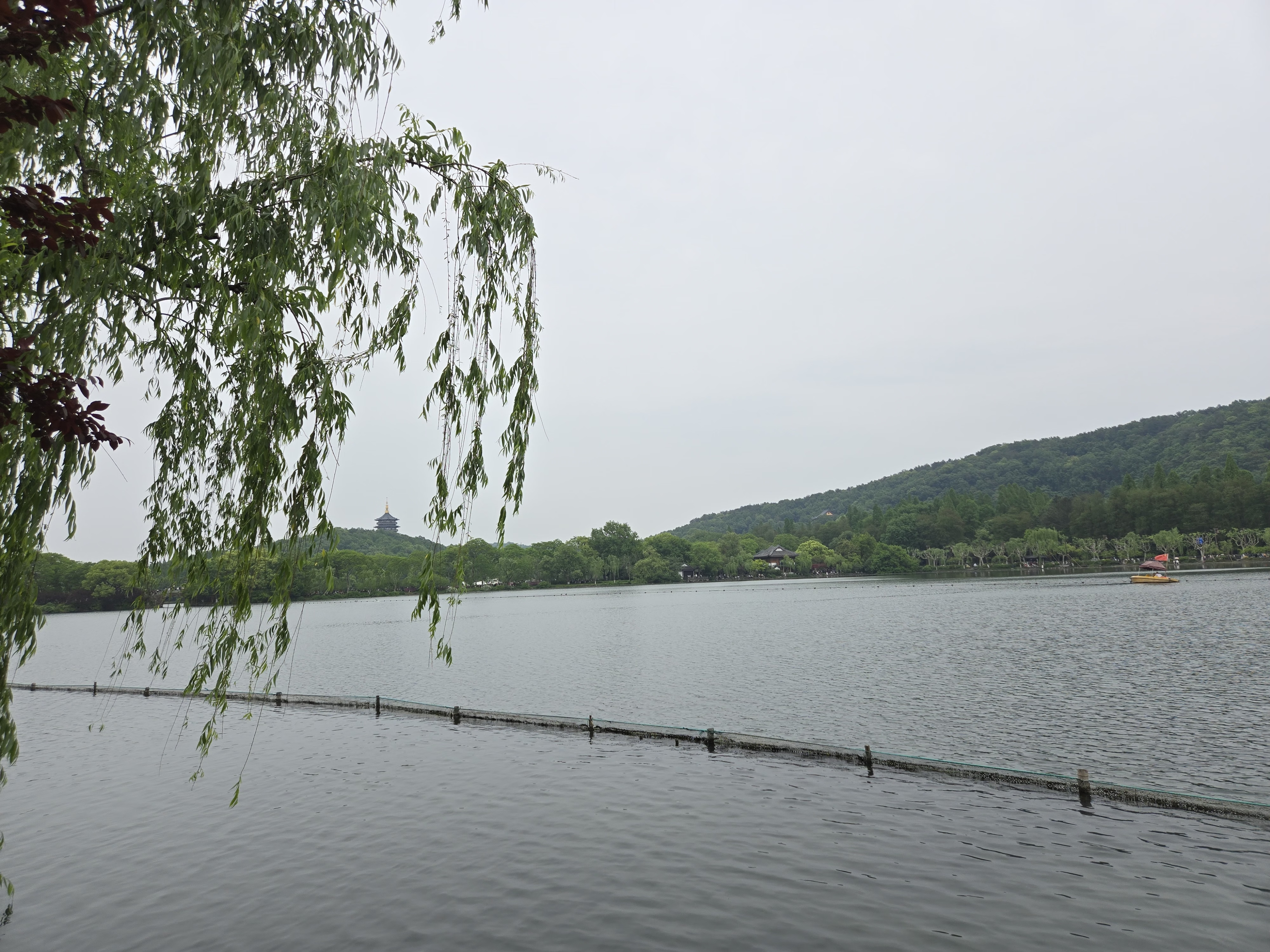
Then I went to the northeast corner of West Lake; looking westward, the mountains are tucked between the water and the blue sky.
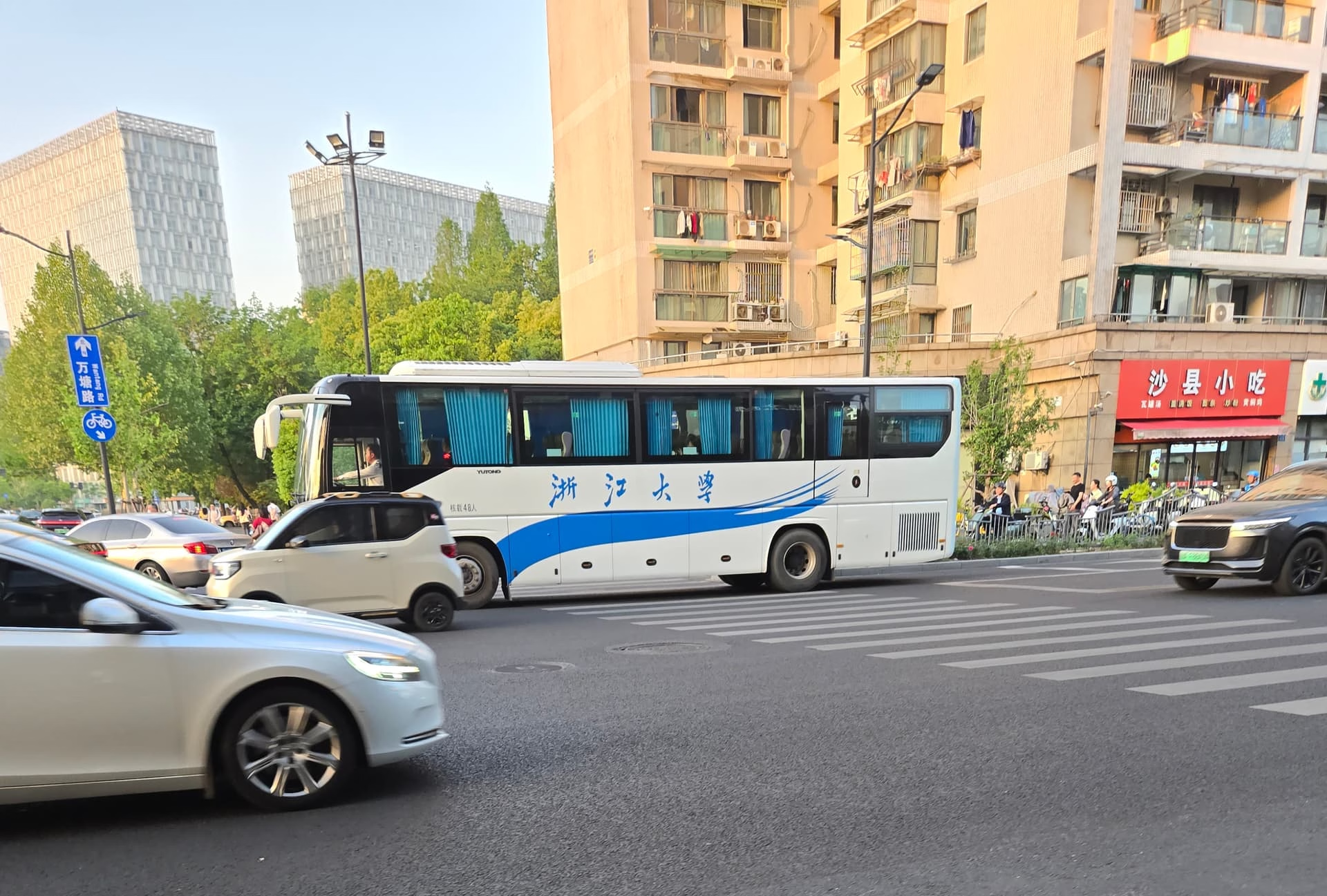
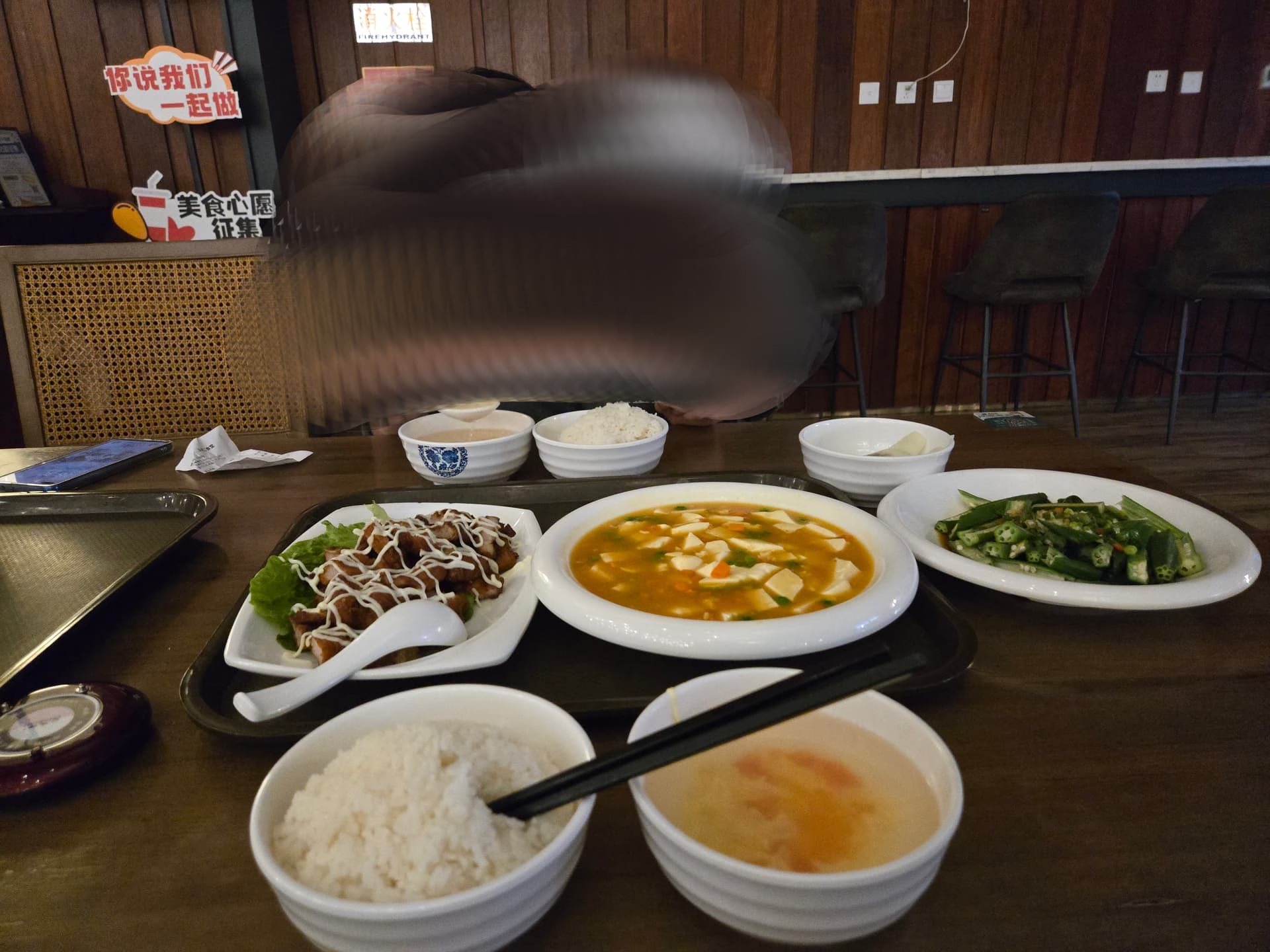
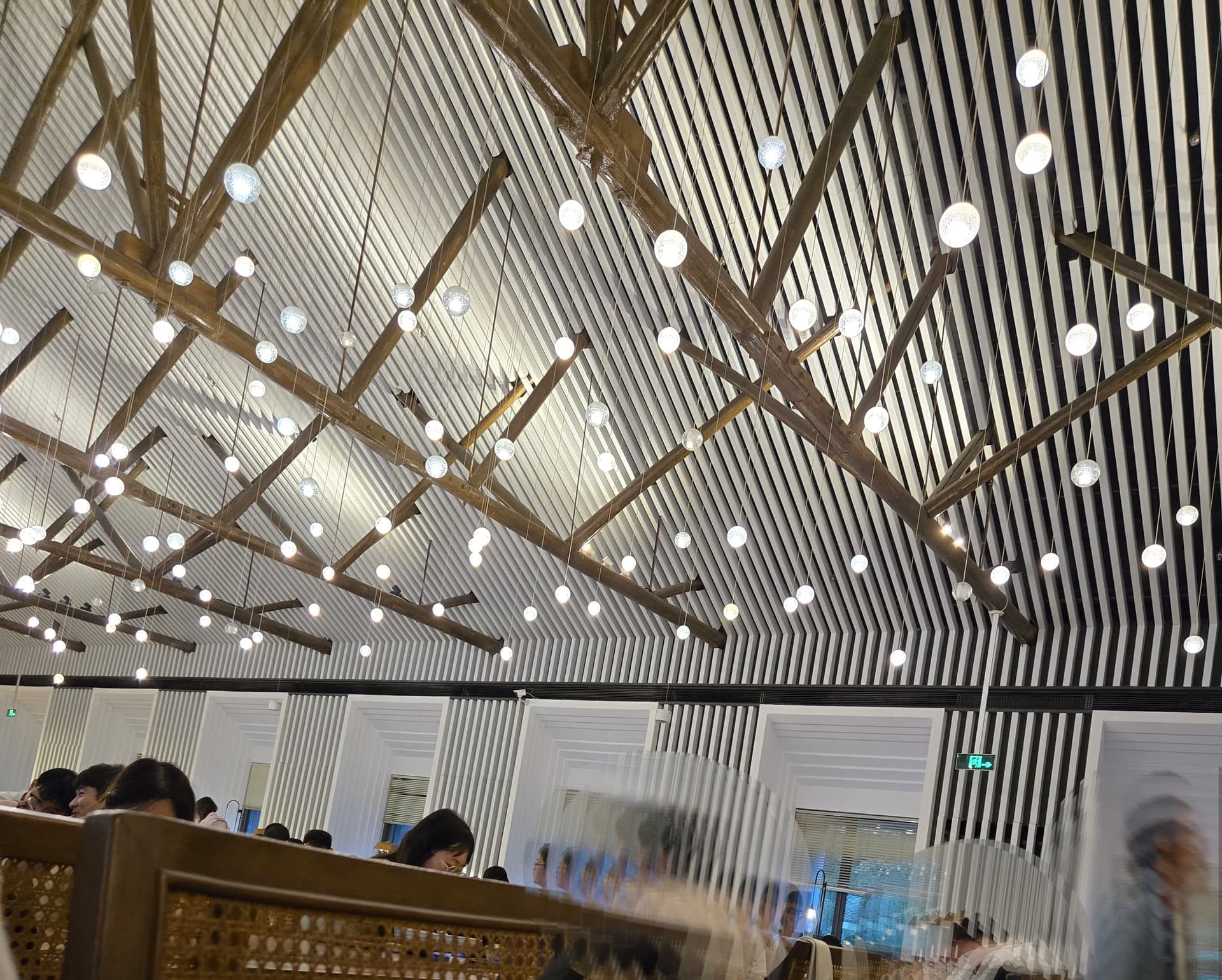
Next I visited Zhejiang University. The cafeteria also offers à‑la‑carte dishes similar to those in outside restaurants—prices are high but the quality is very good. The ceiling decoration is distinctive, and the overall lobby feels like the Hogwarts dining hall.
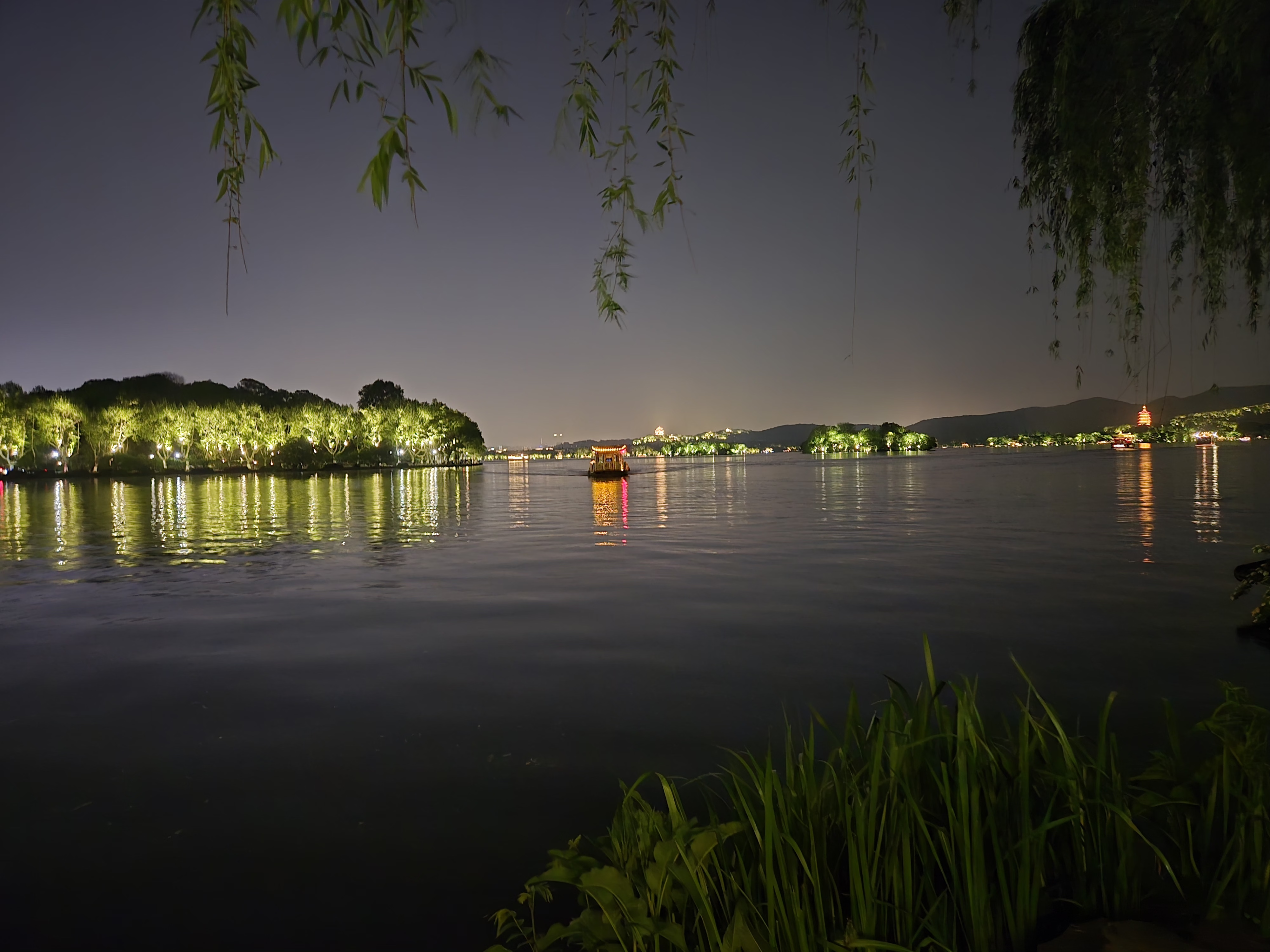
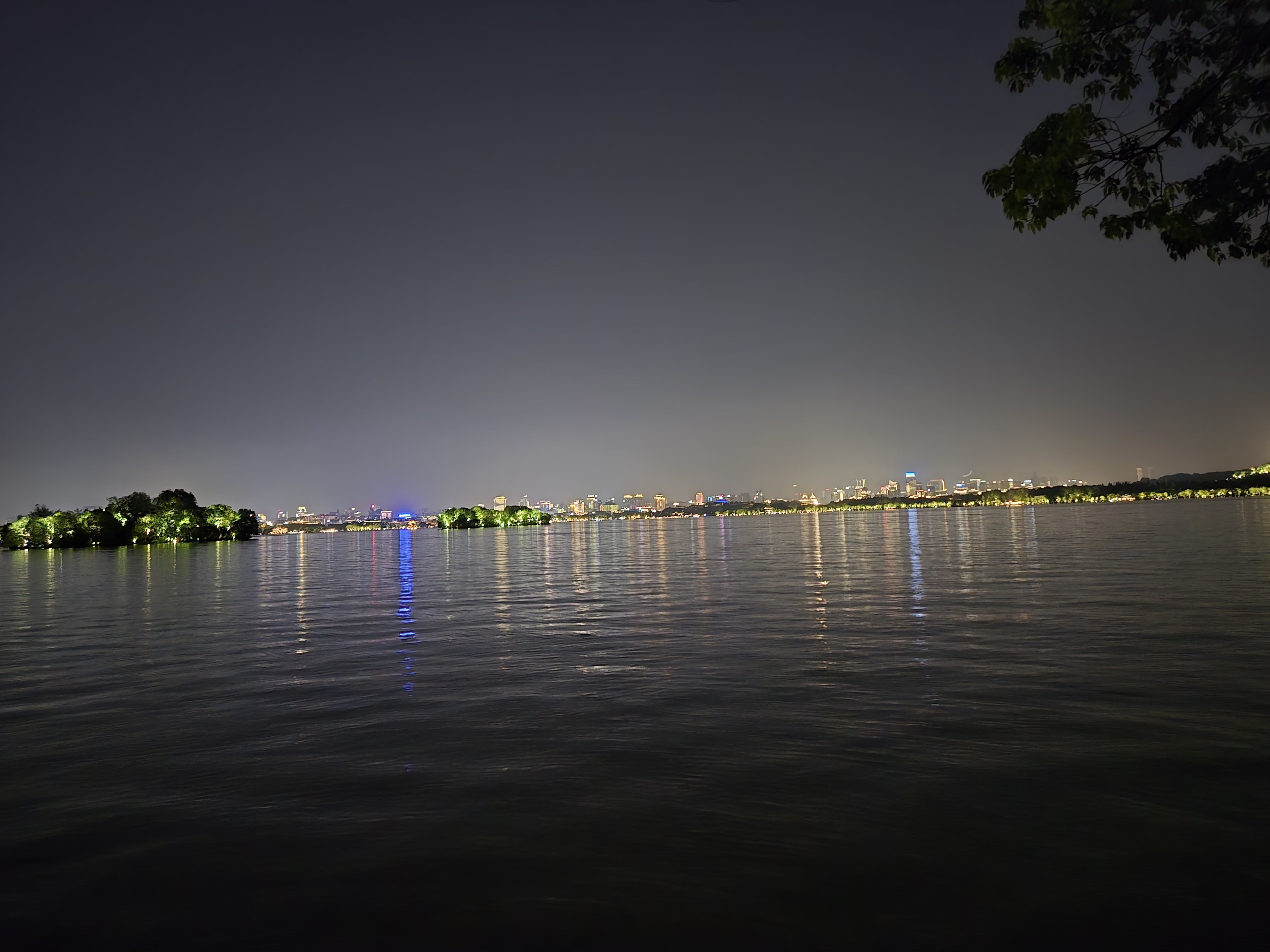
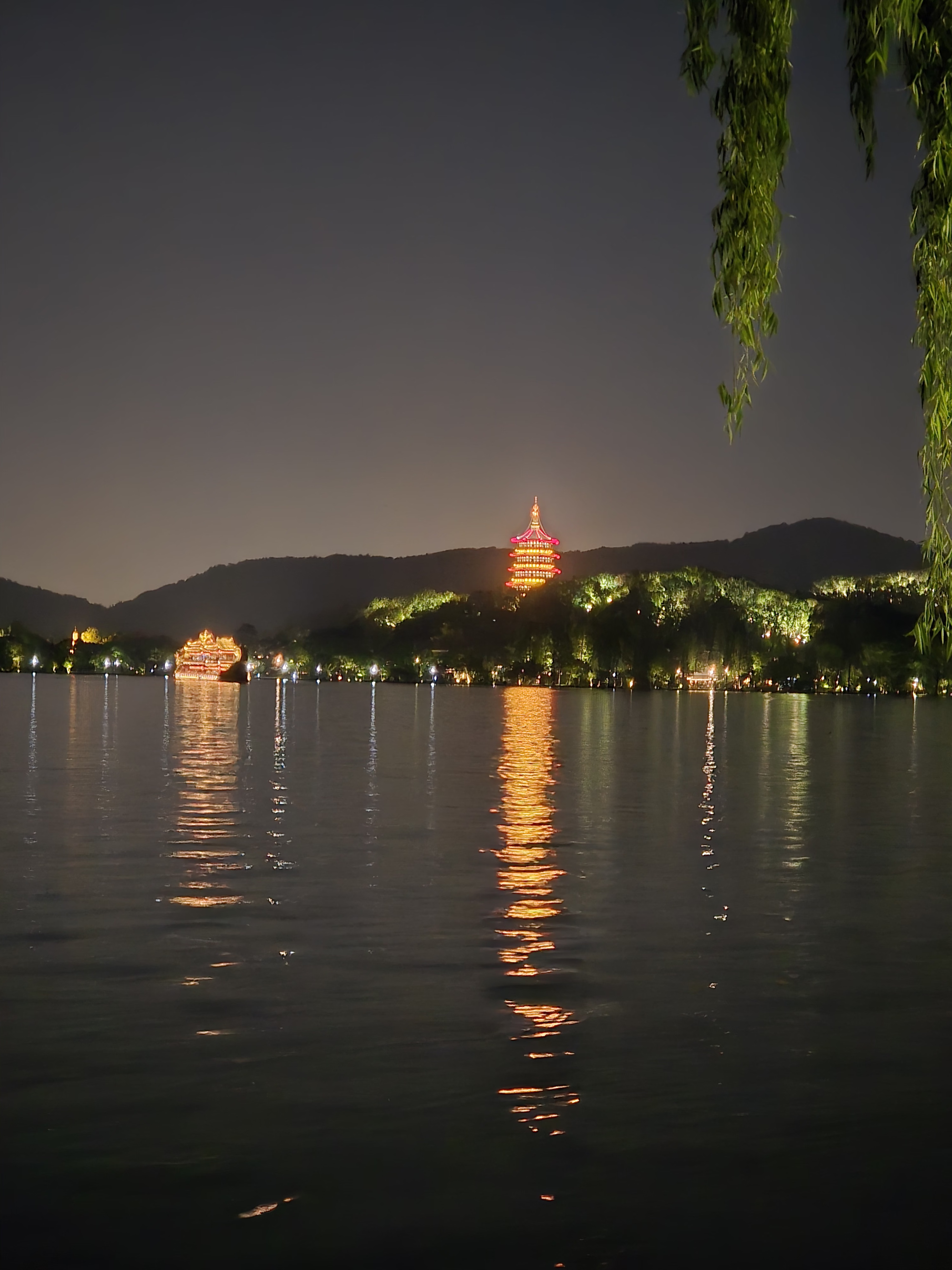
At night I went to the northwest corner of West Lake. Curious about what the stone tower of the Three Pools Mirroring the Moon looks like, I walked south along Su Causeway. I didn’t get a clear view halfway, but I didn’t want to turn back, so I continued to the Fish‑Viewing Garden area and took a bus back to the hotel. The road was pitch‑black and a bit scary.
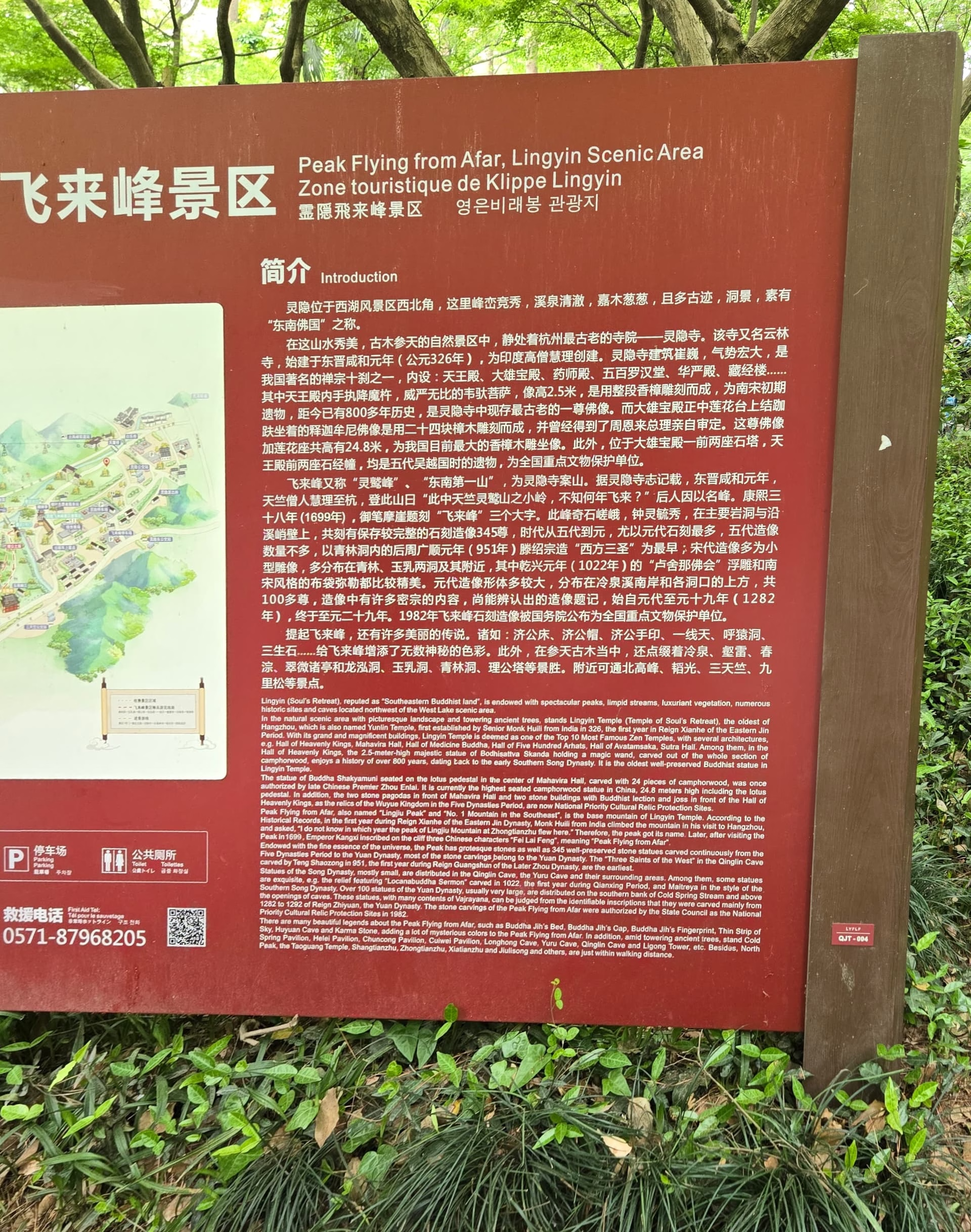
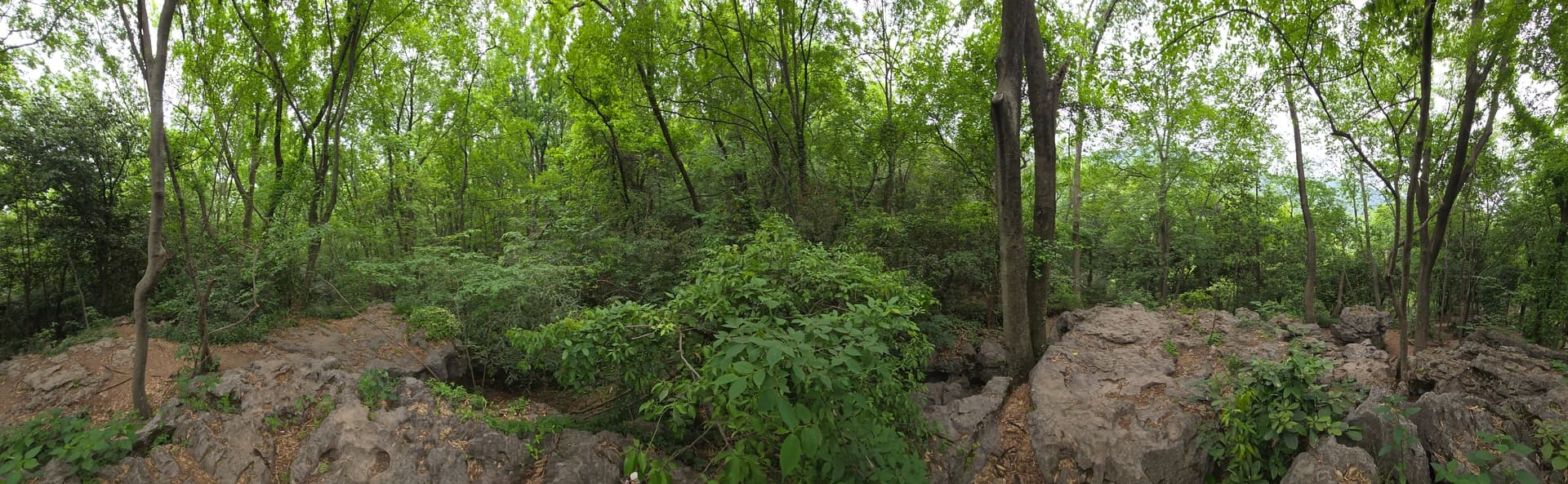
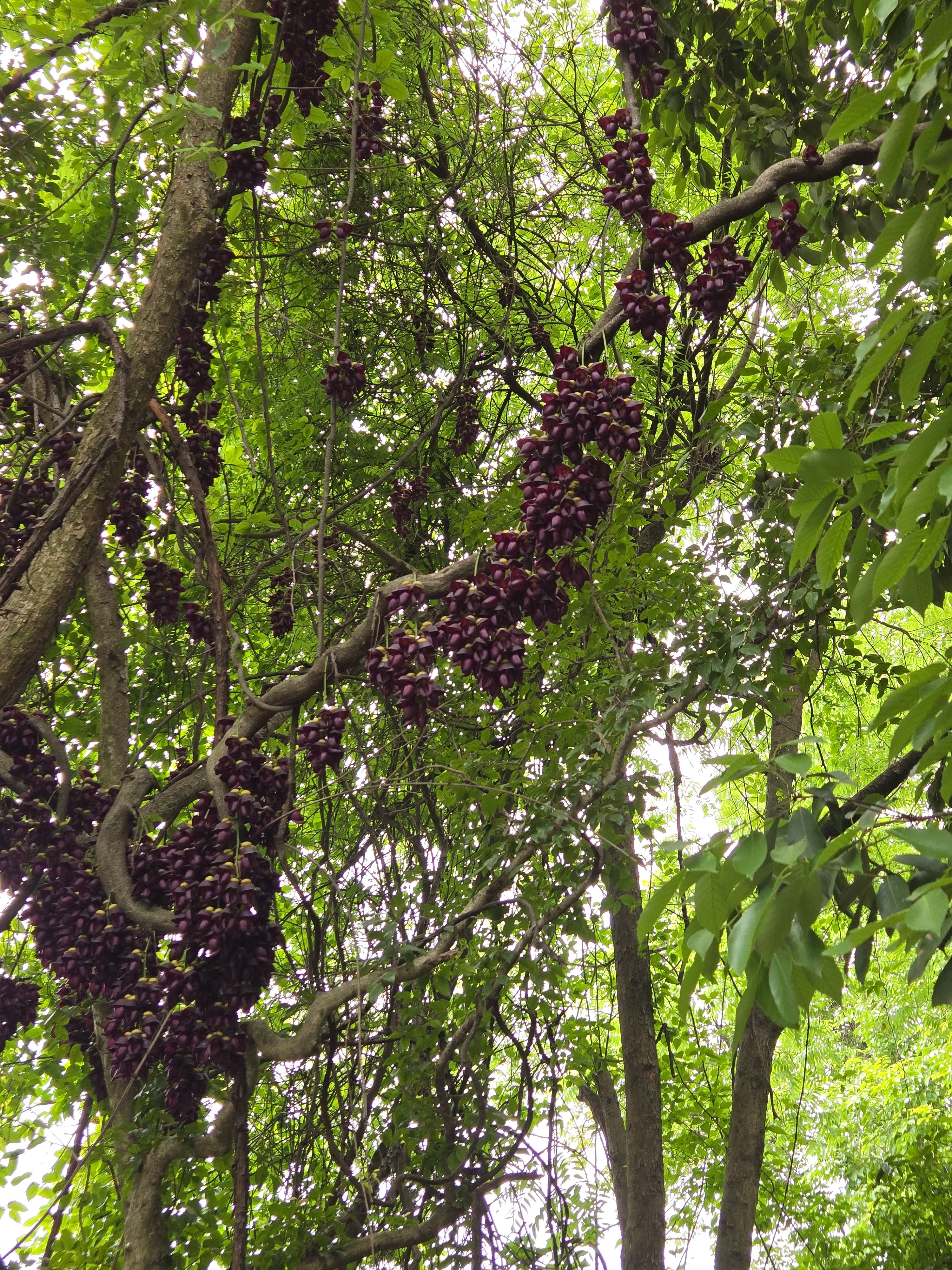
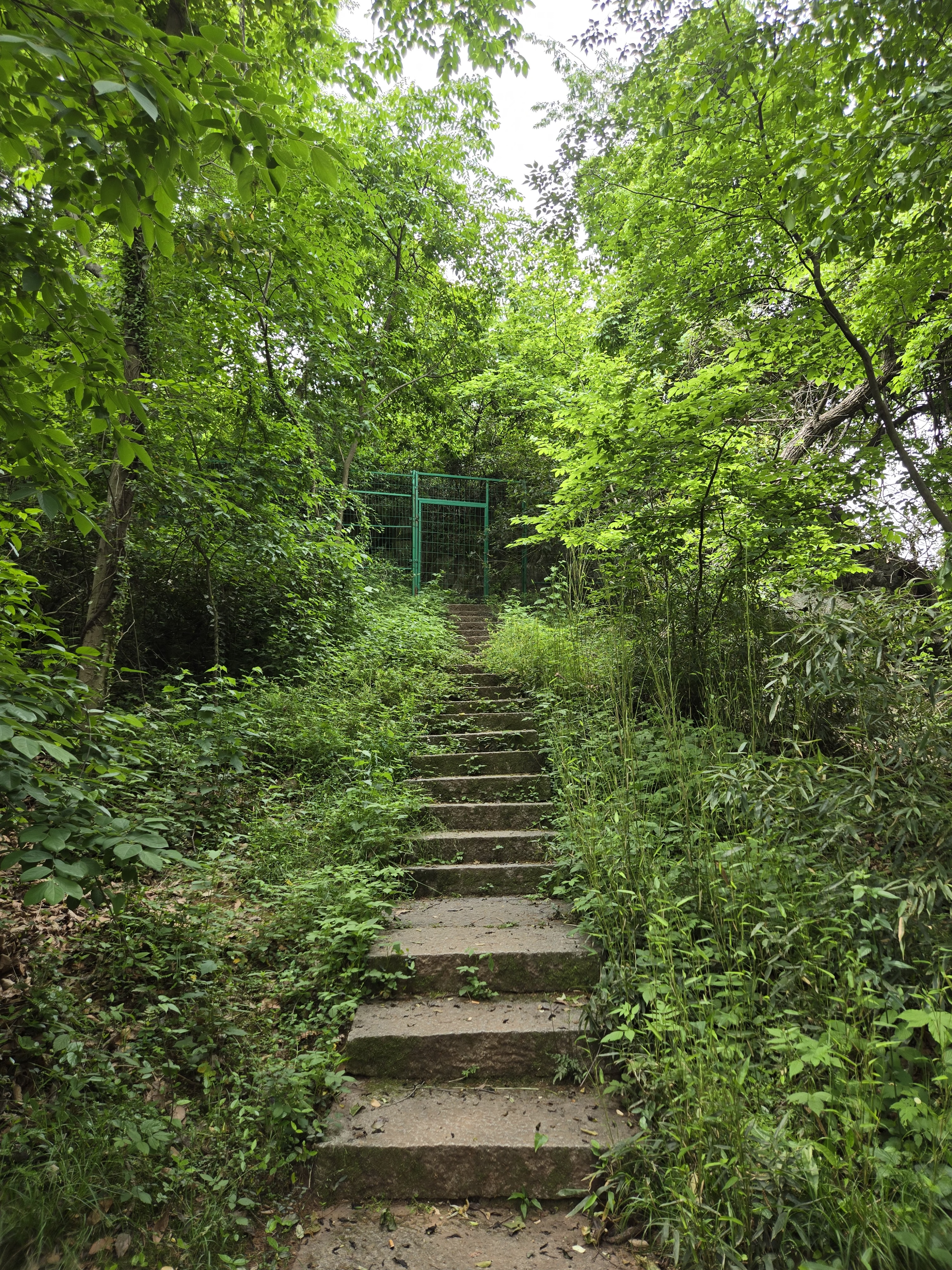
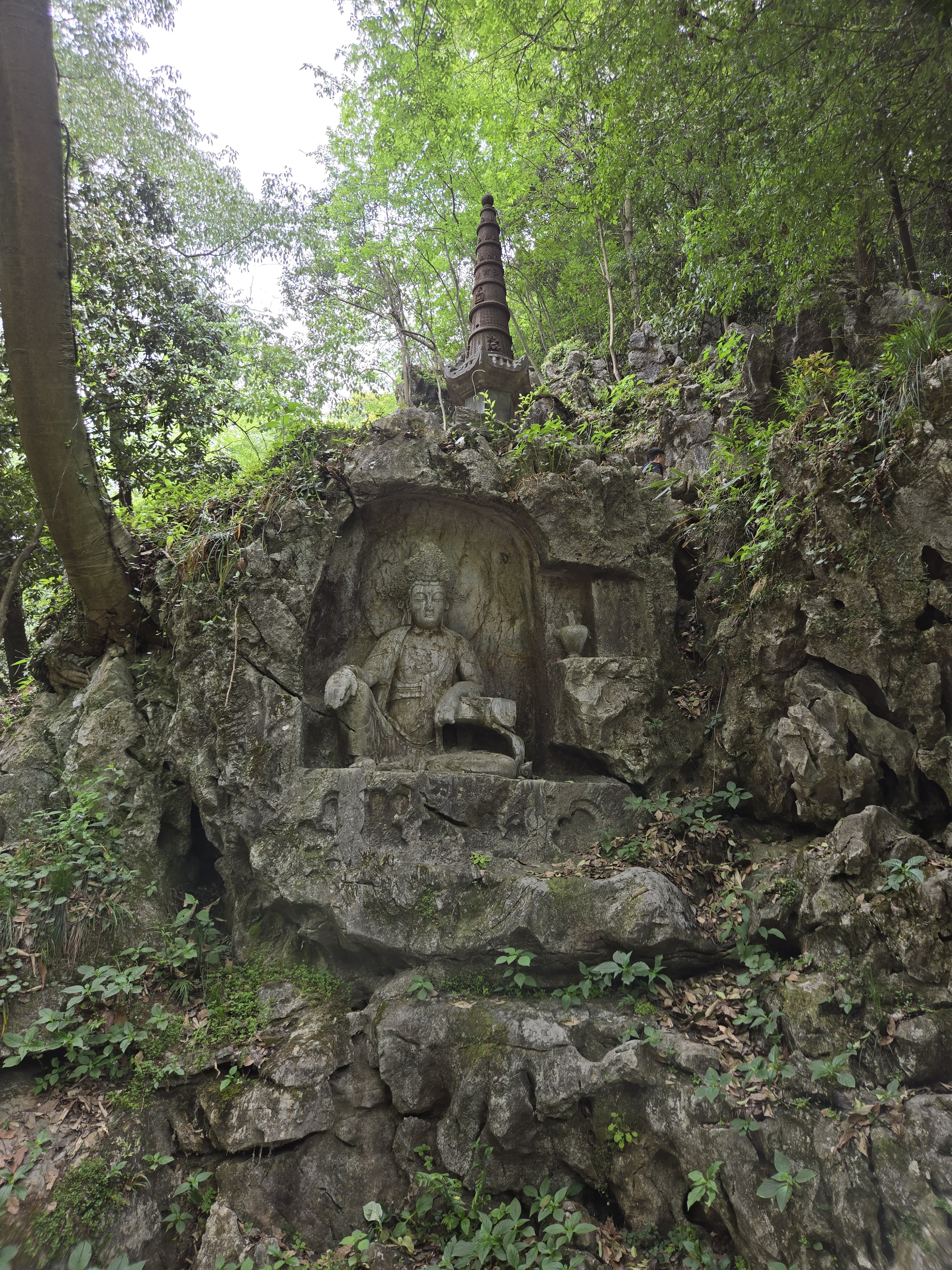
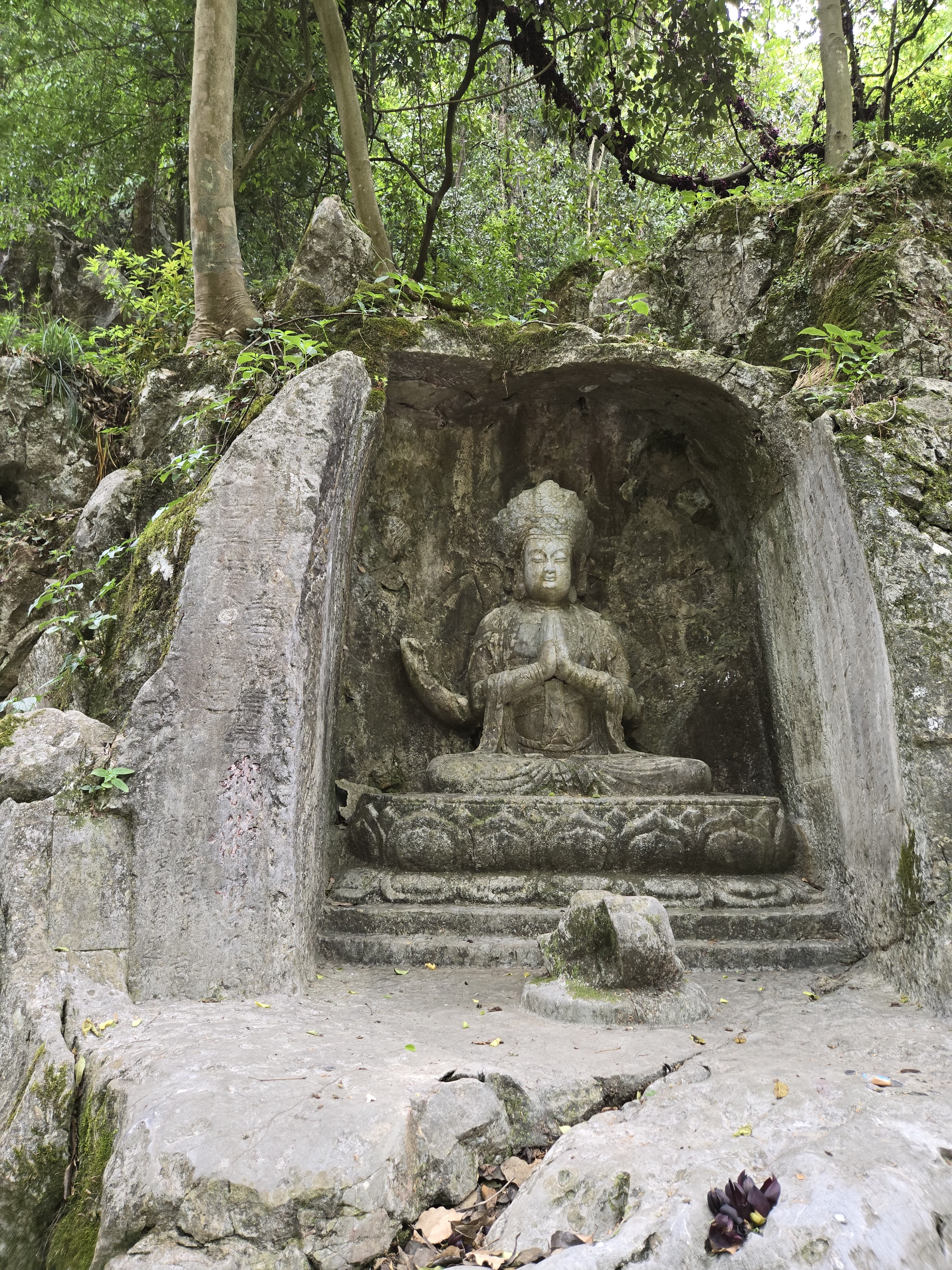
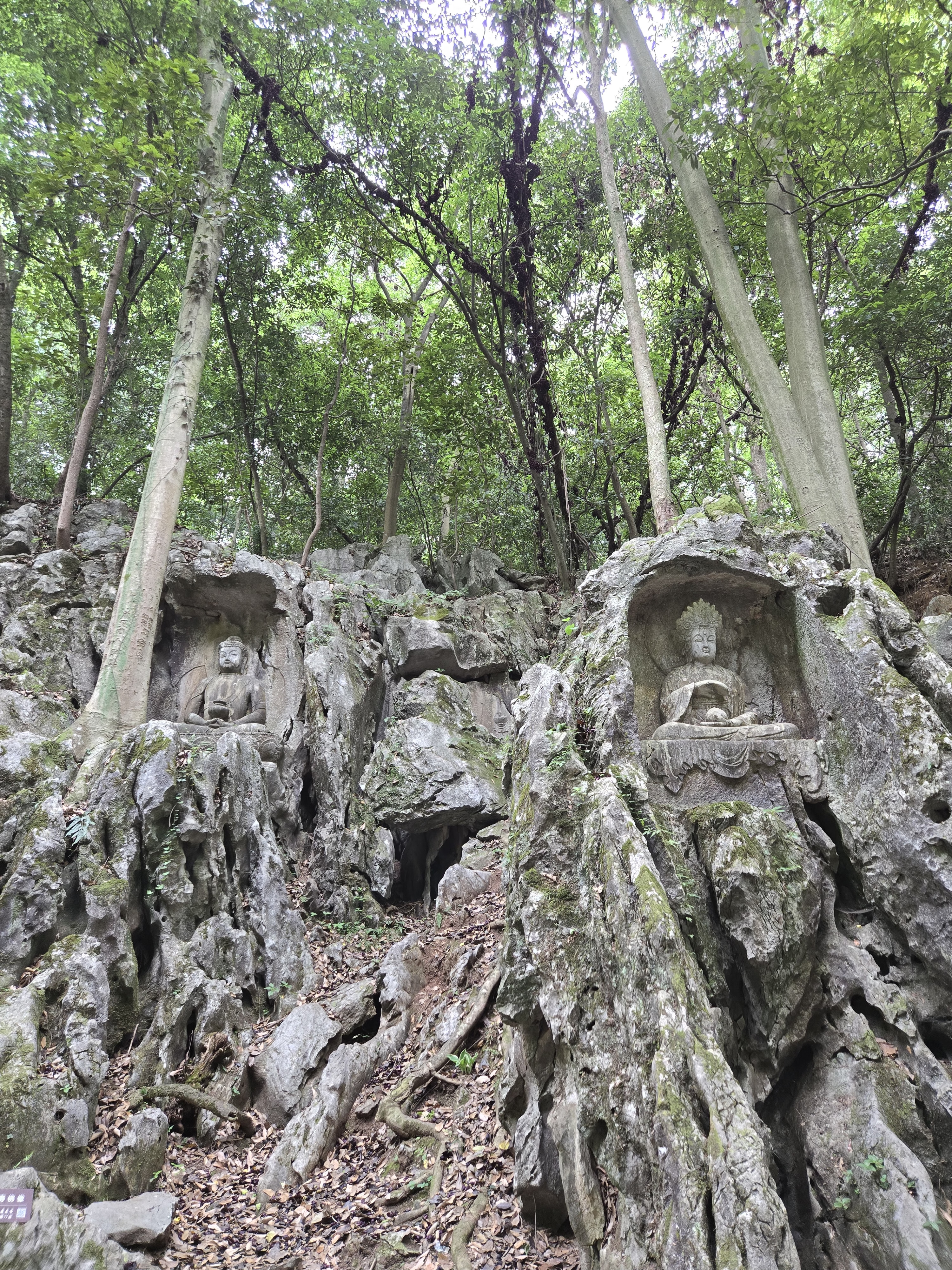
The next day I explored Feilai Peak and Lingyin Temple. On the mountain I found a lot of coarse vines with spiny beans. People were taking photos next to a stone marked “Feilai Peak,” but I saw on the map another sealed road leading to a different summit. At the foot of the mountain there are many stone‑carved Buddha statues.
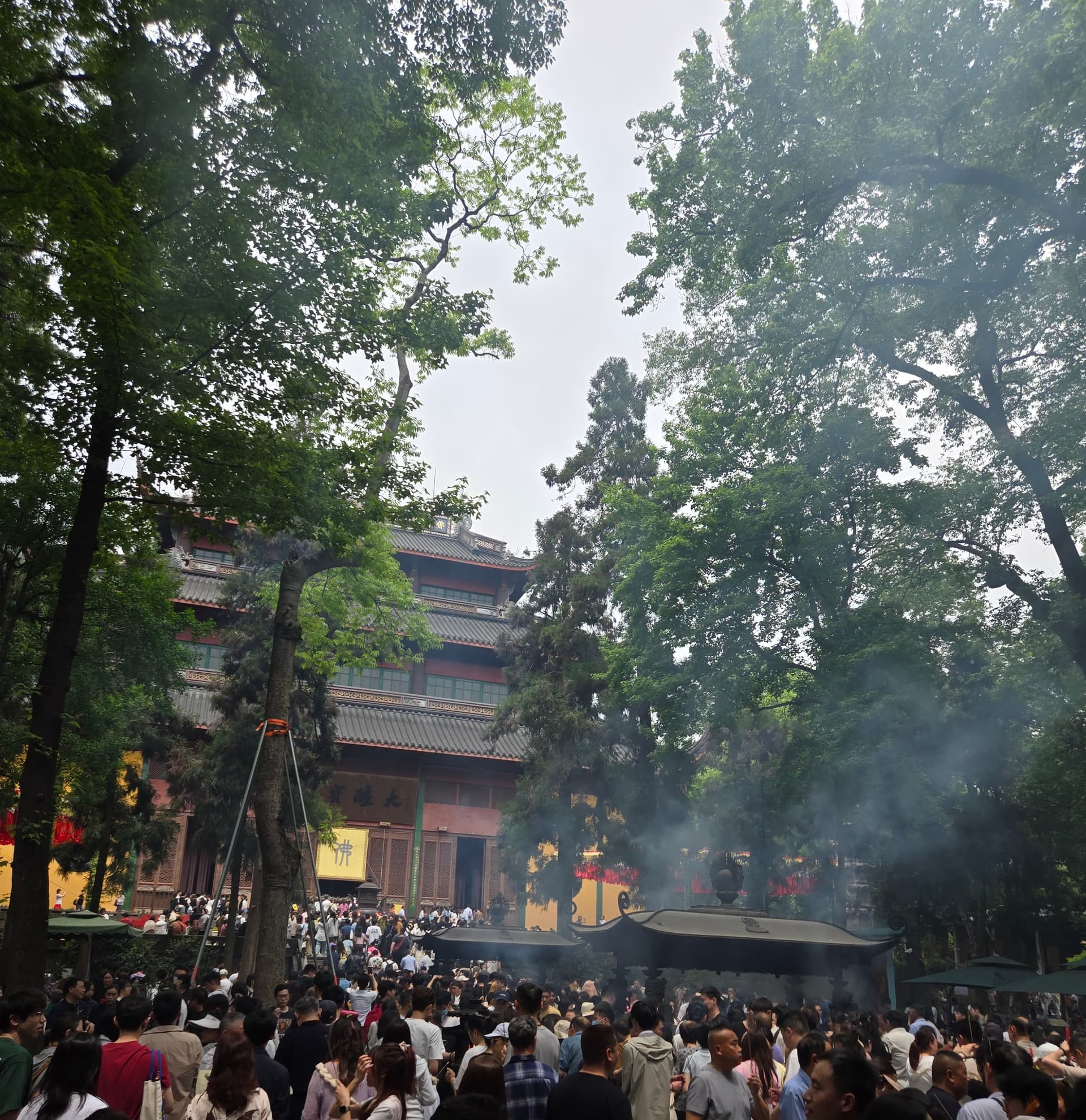
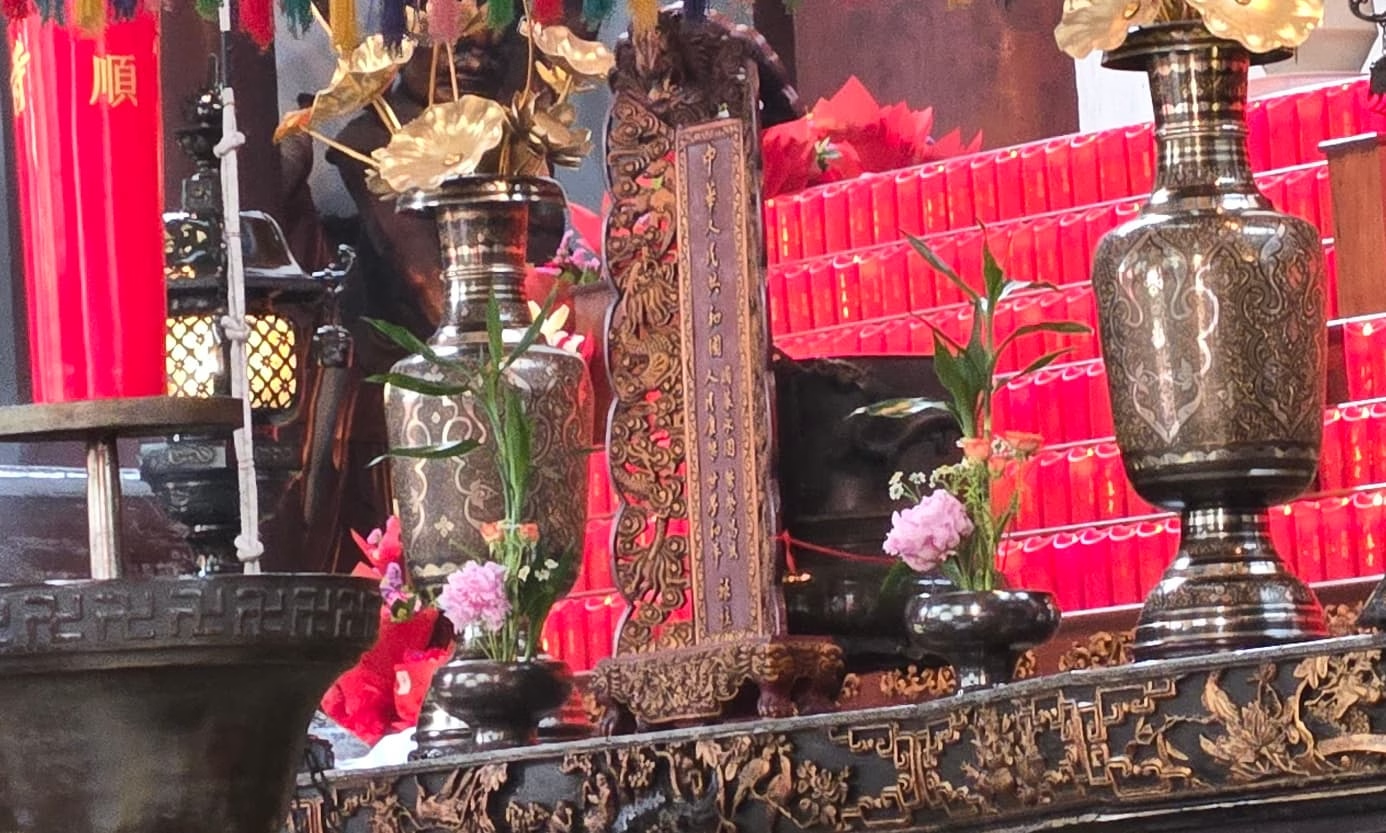
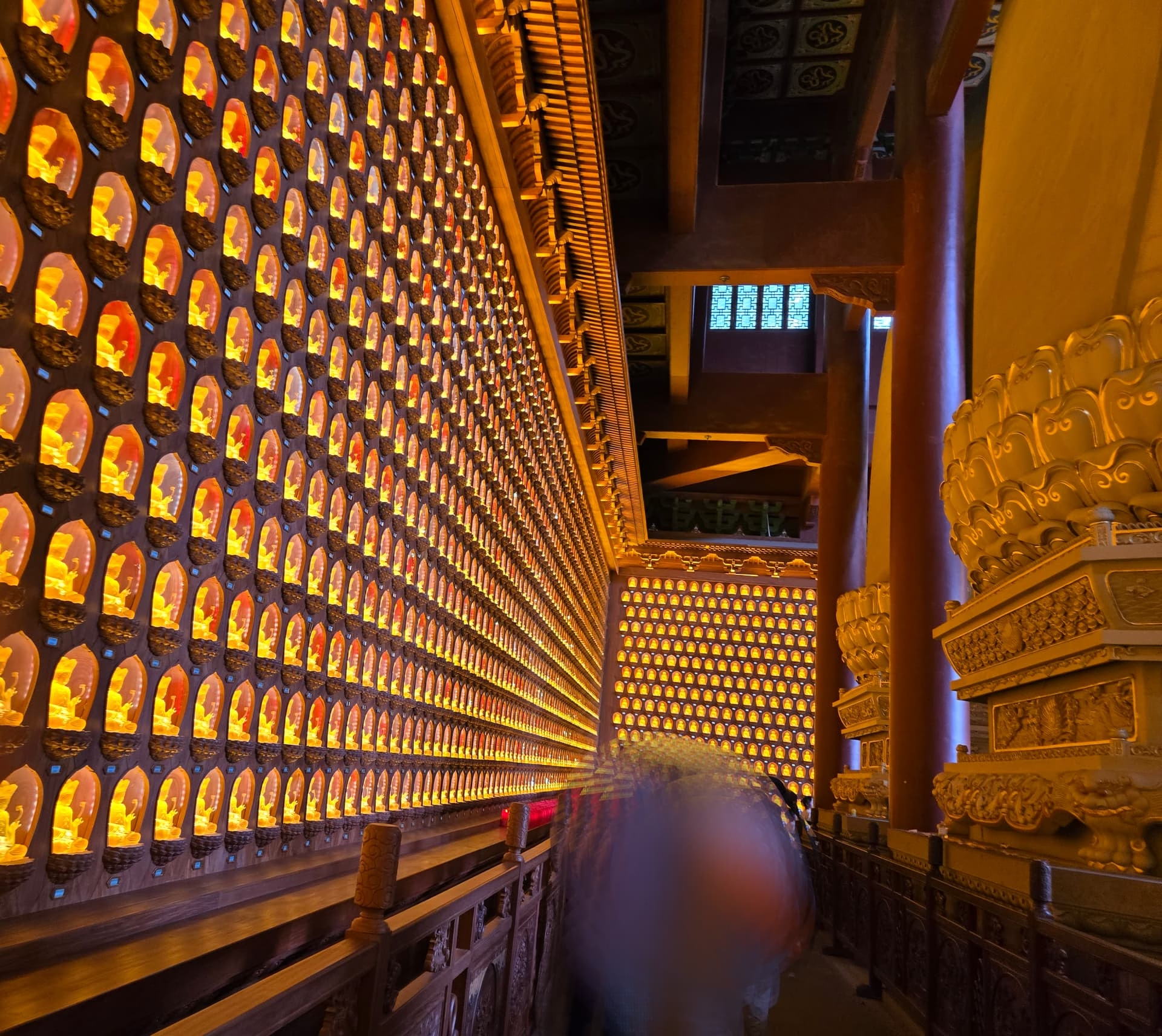
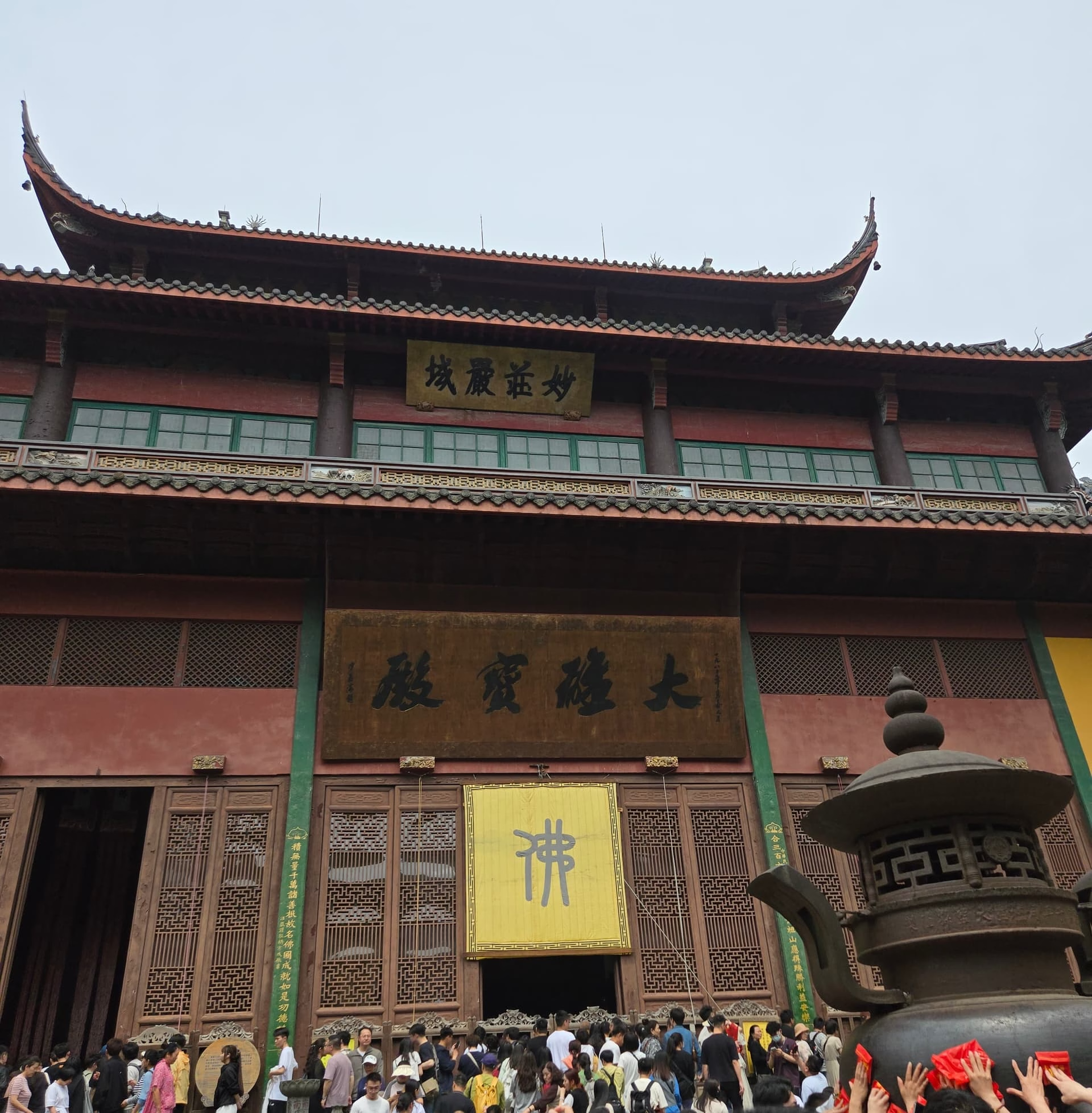
Then I entered Lingyin Temple itself; the interior was shrouded in mist and filled with visitors.
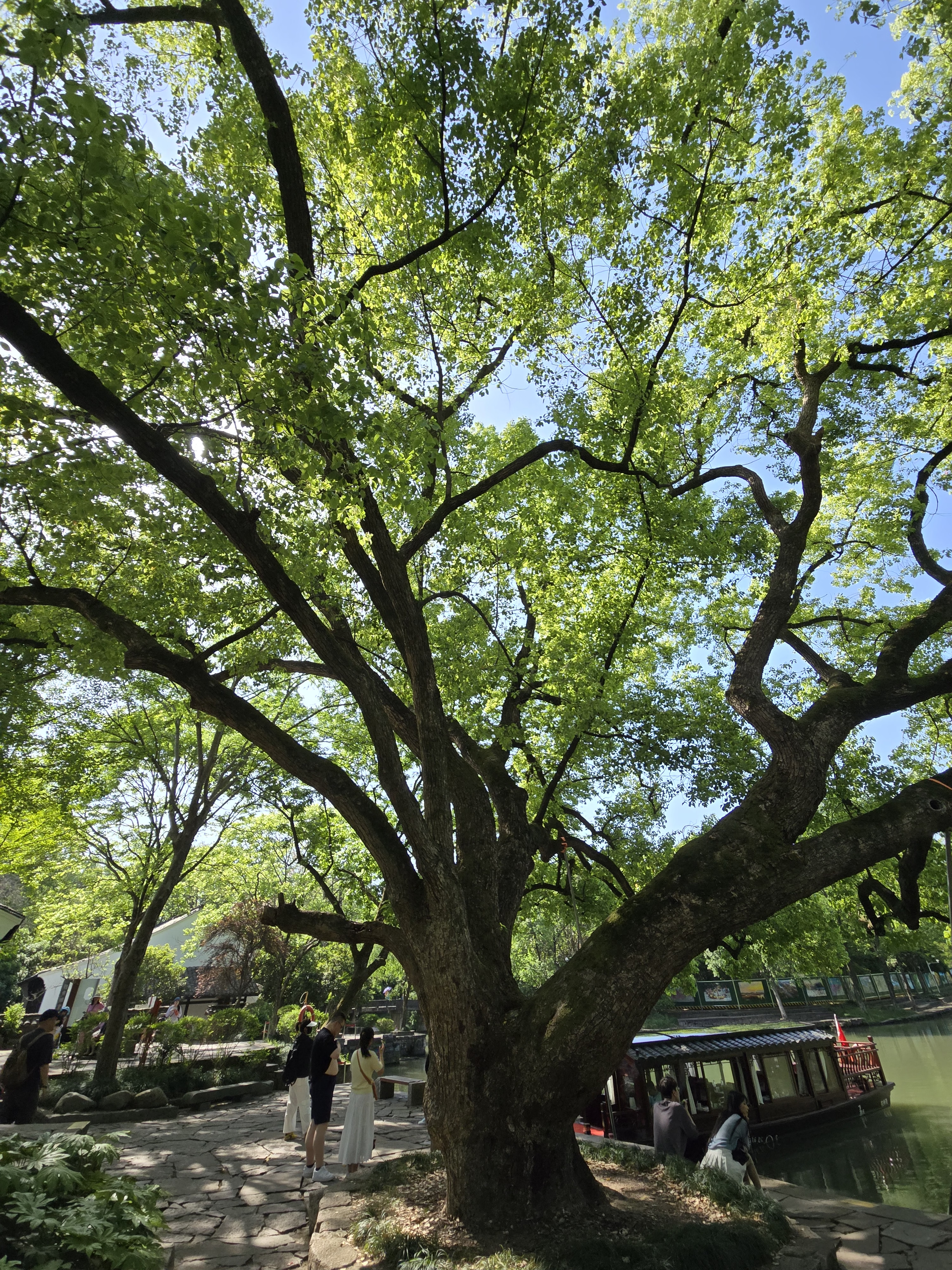
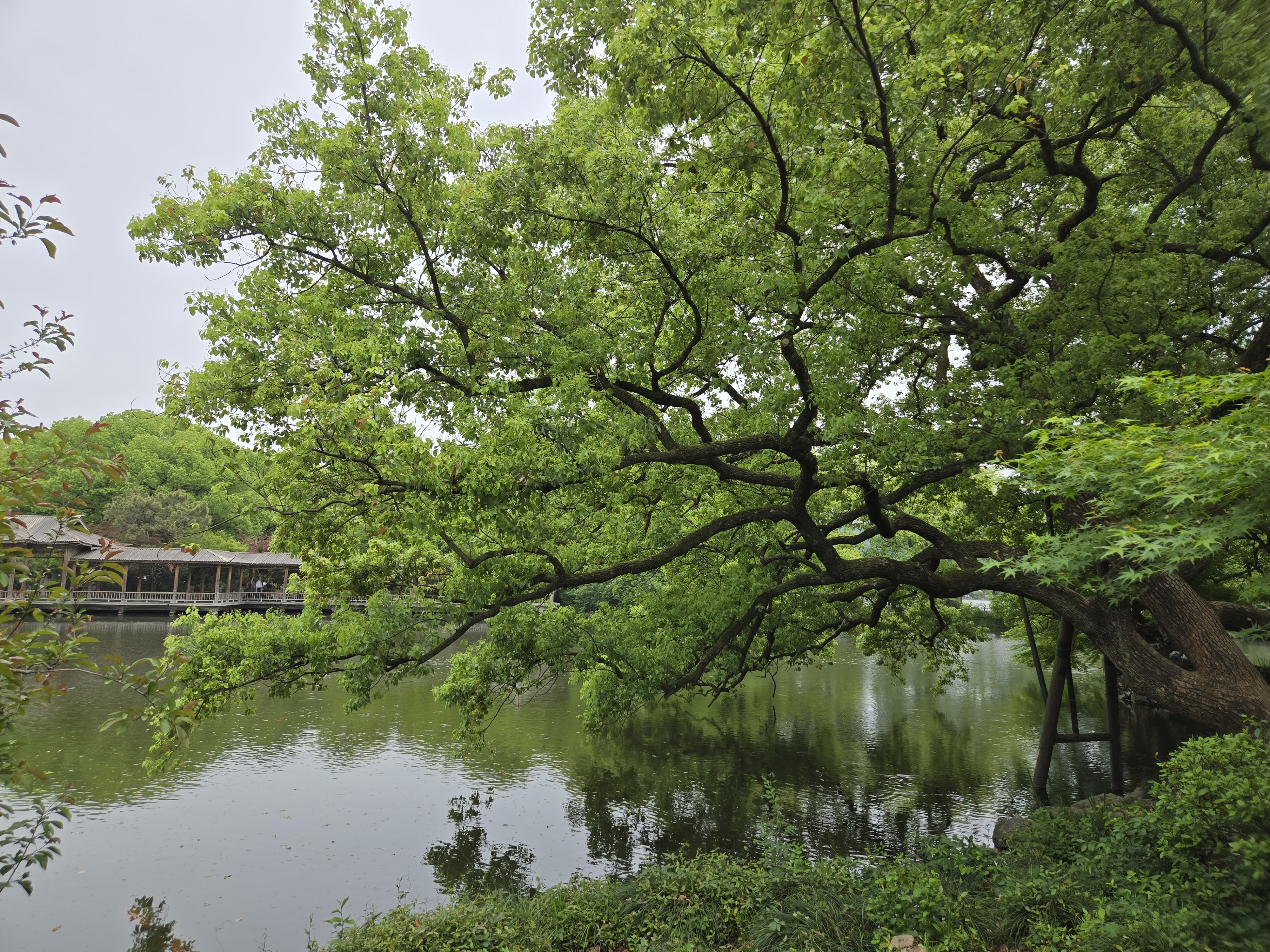
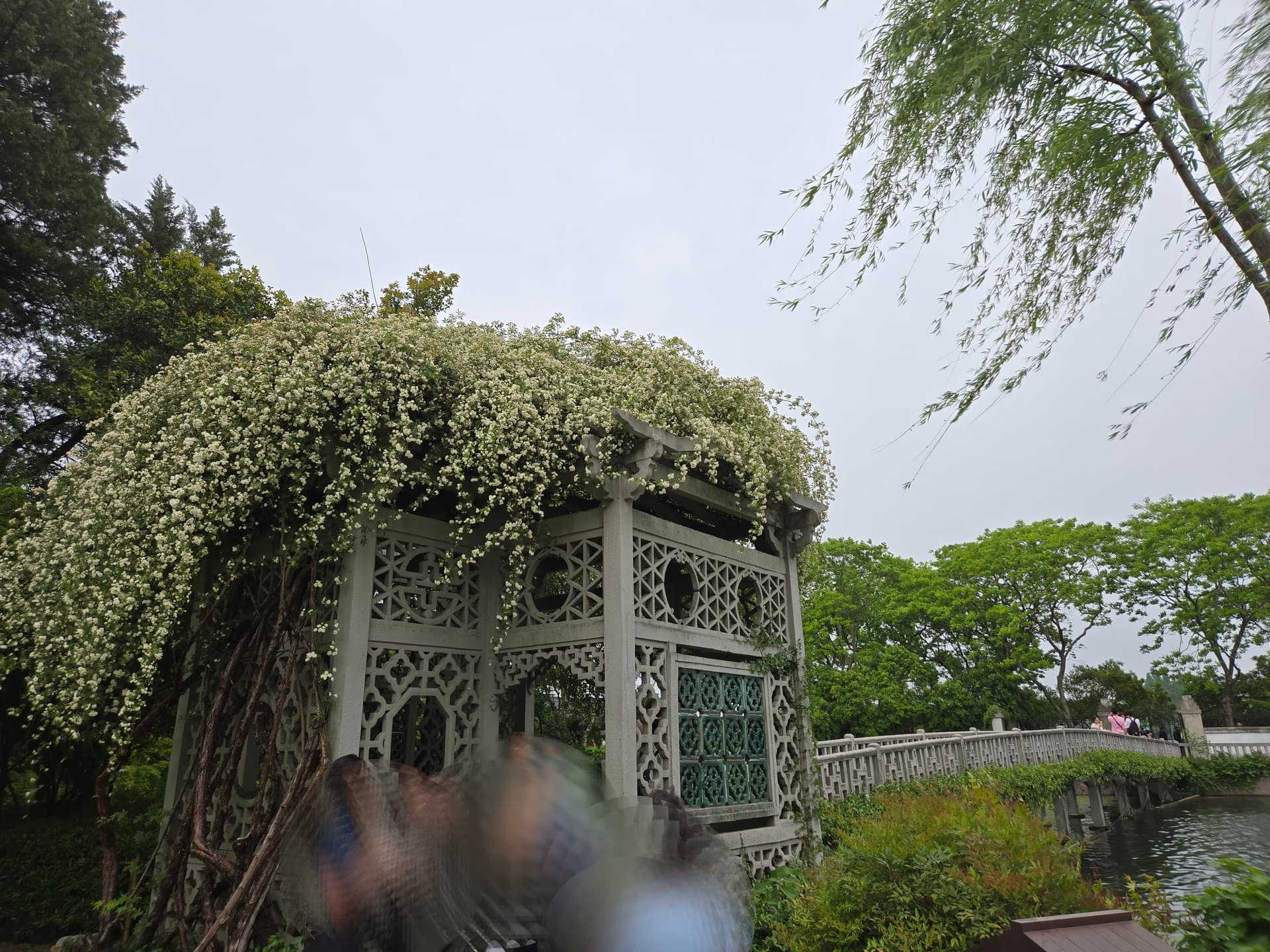
After that I took a bus to the Fish‑Viewing Garden (I missed it last night because it was dark). The willow trees by South Lake are very tranquil; a huge camphor tree leans over the water, and small white roses climb to the top of a little pavilion.
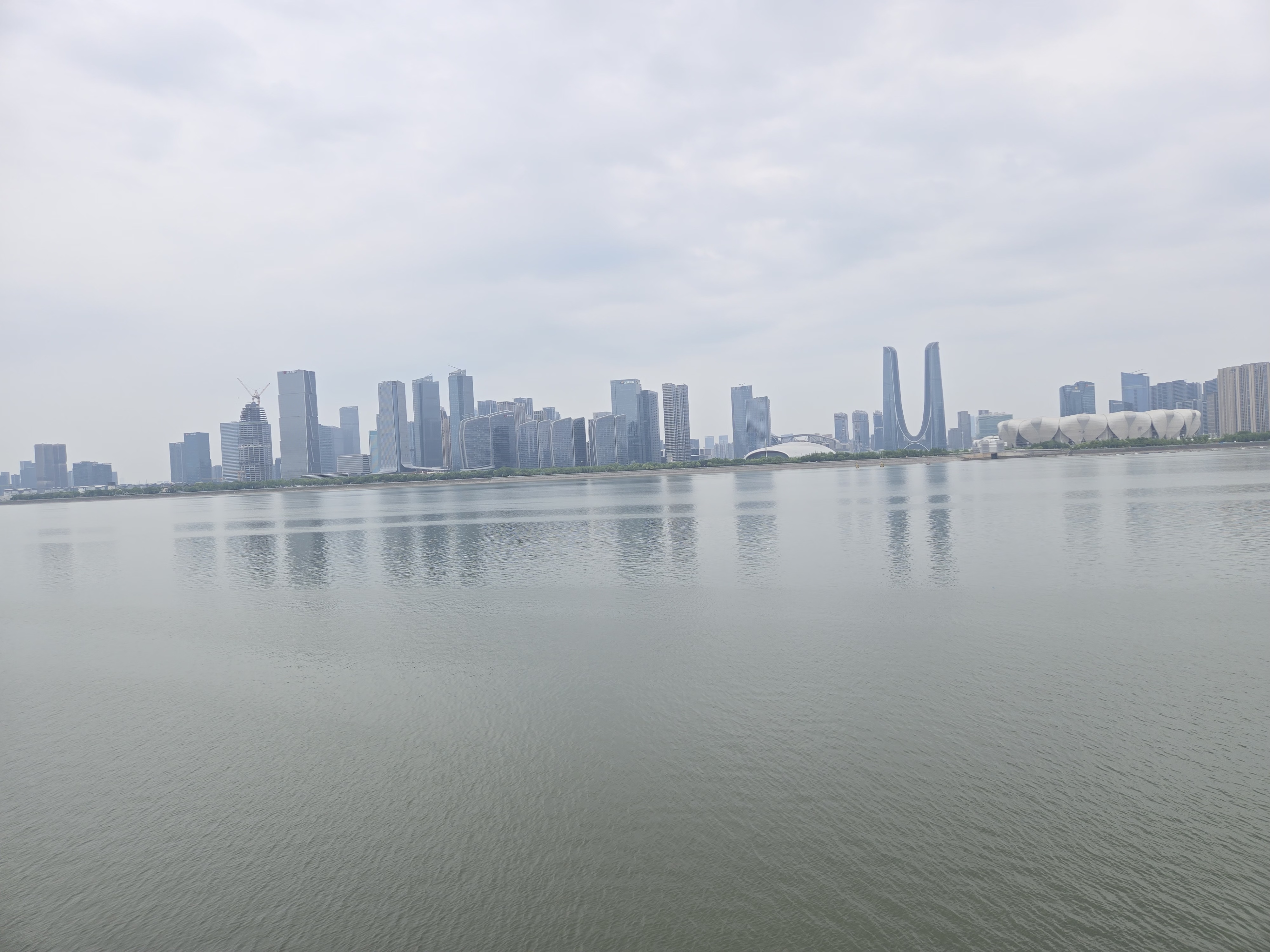
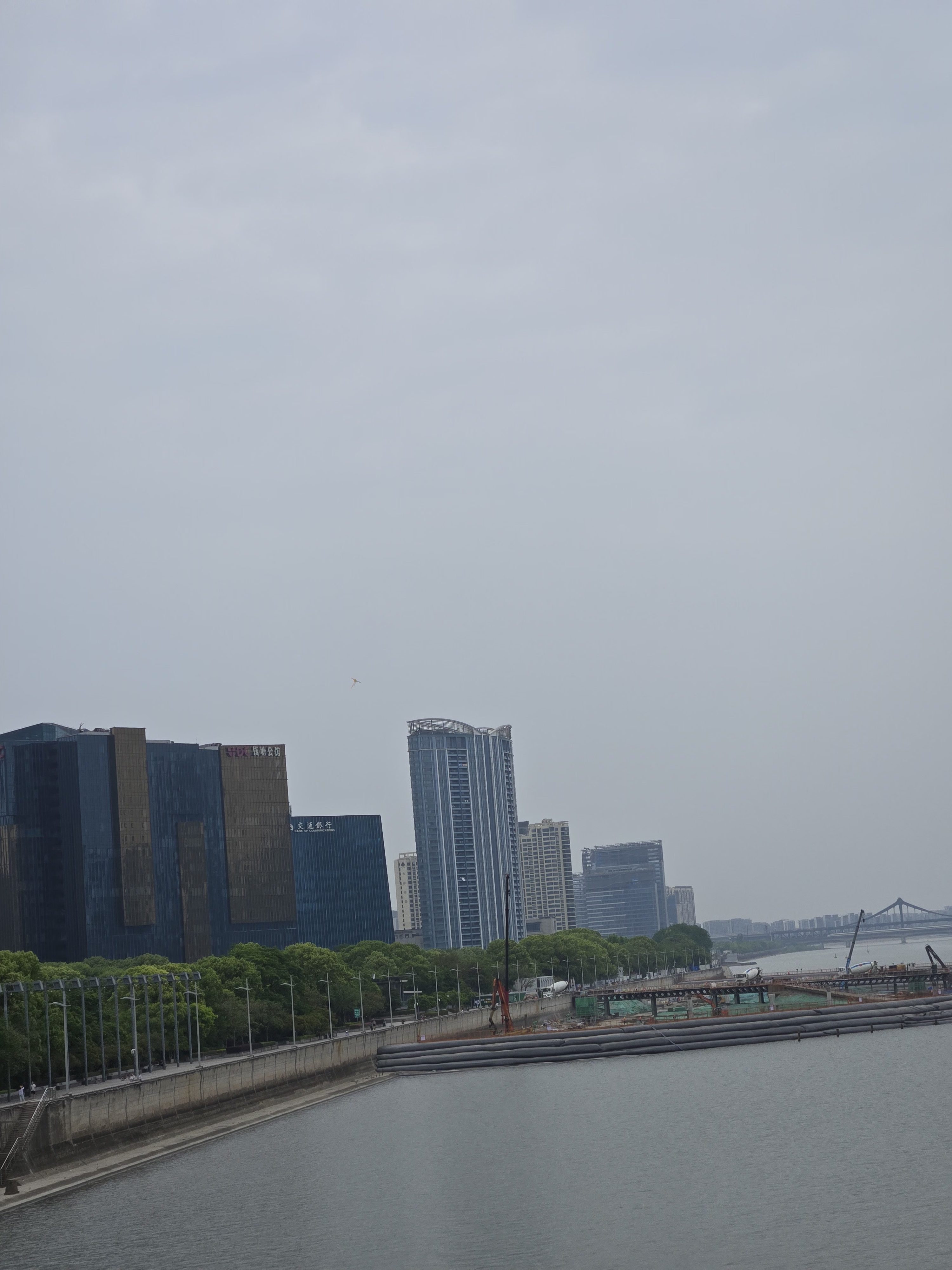
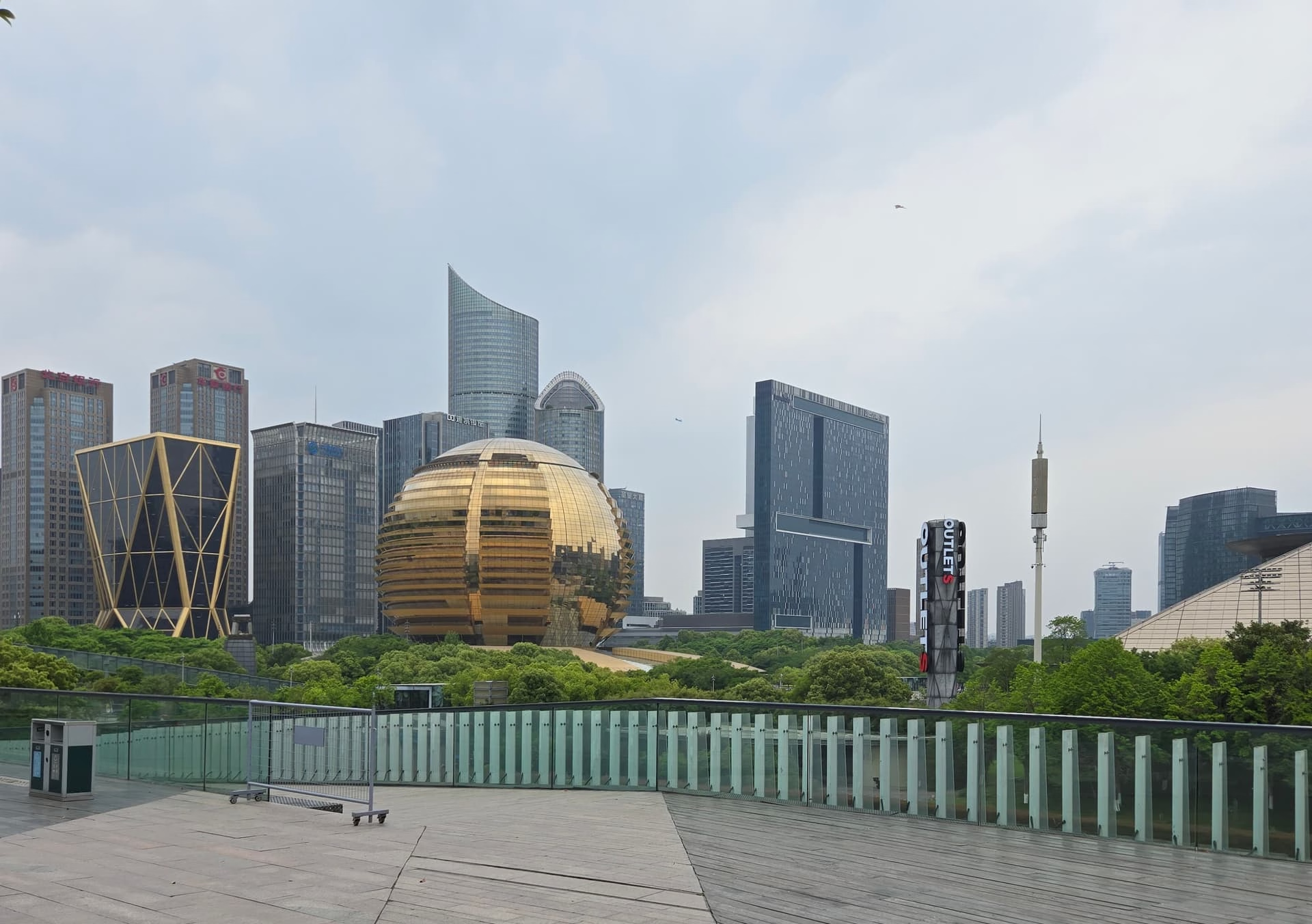
Then I went to the “city balcony” along the Qiantang River, a scene similar to Shanghai Bund, except the river here is much wider. Many people were flying kites; one kite almost touched a nearby skyscraper.
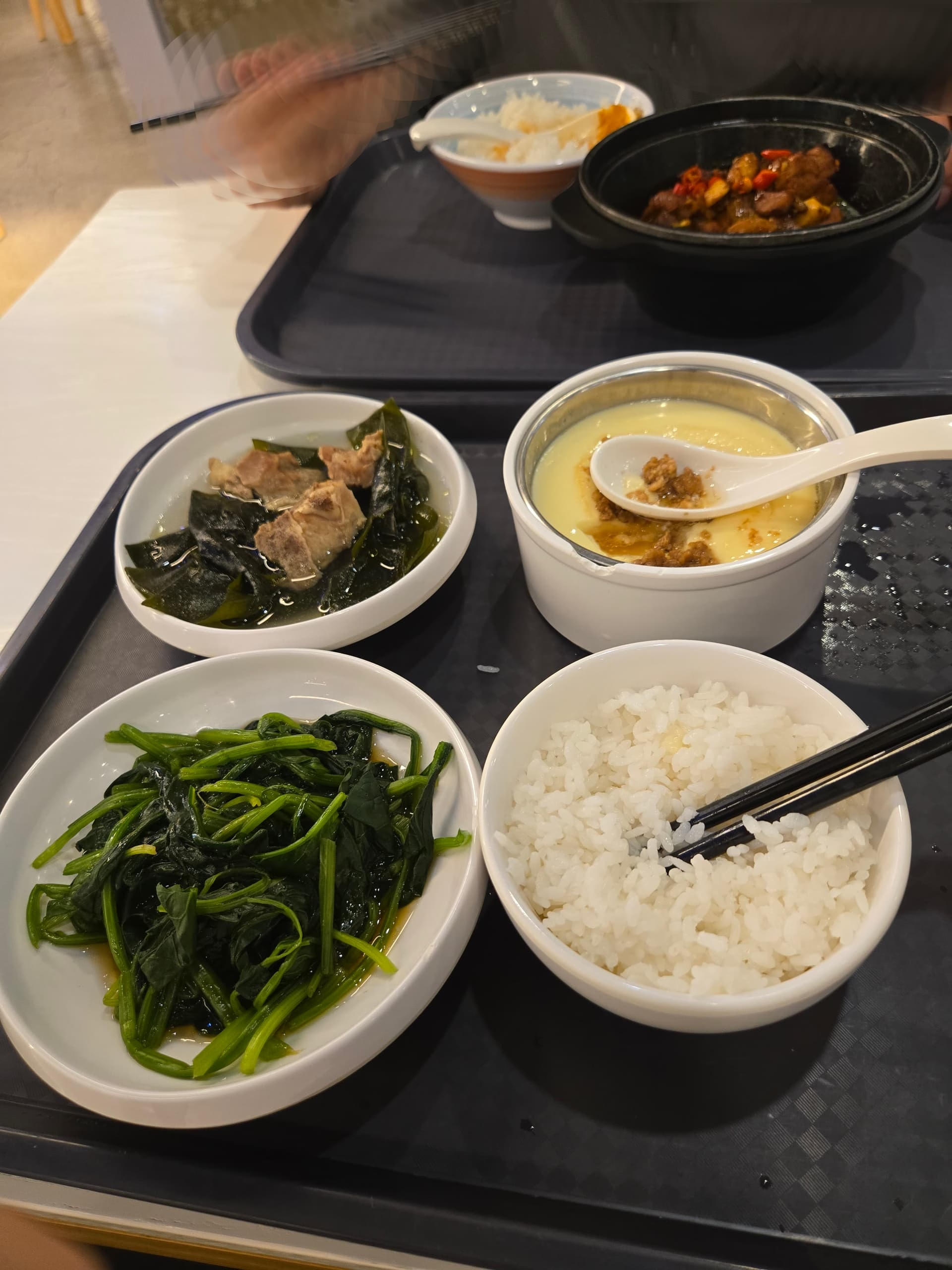
Later, with nowhere else to go, I returned to Zhejiang University for a free meal
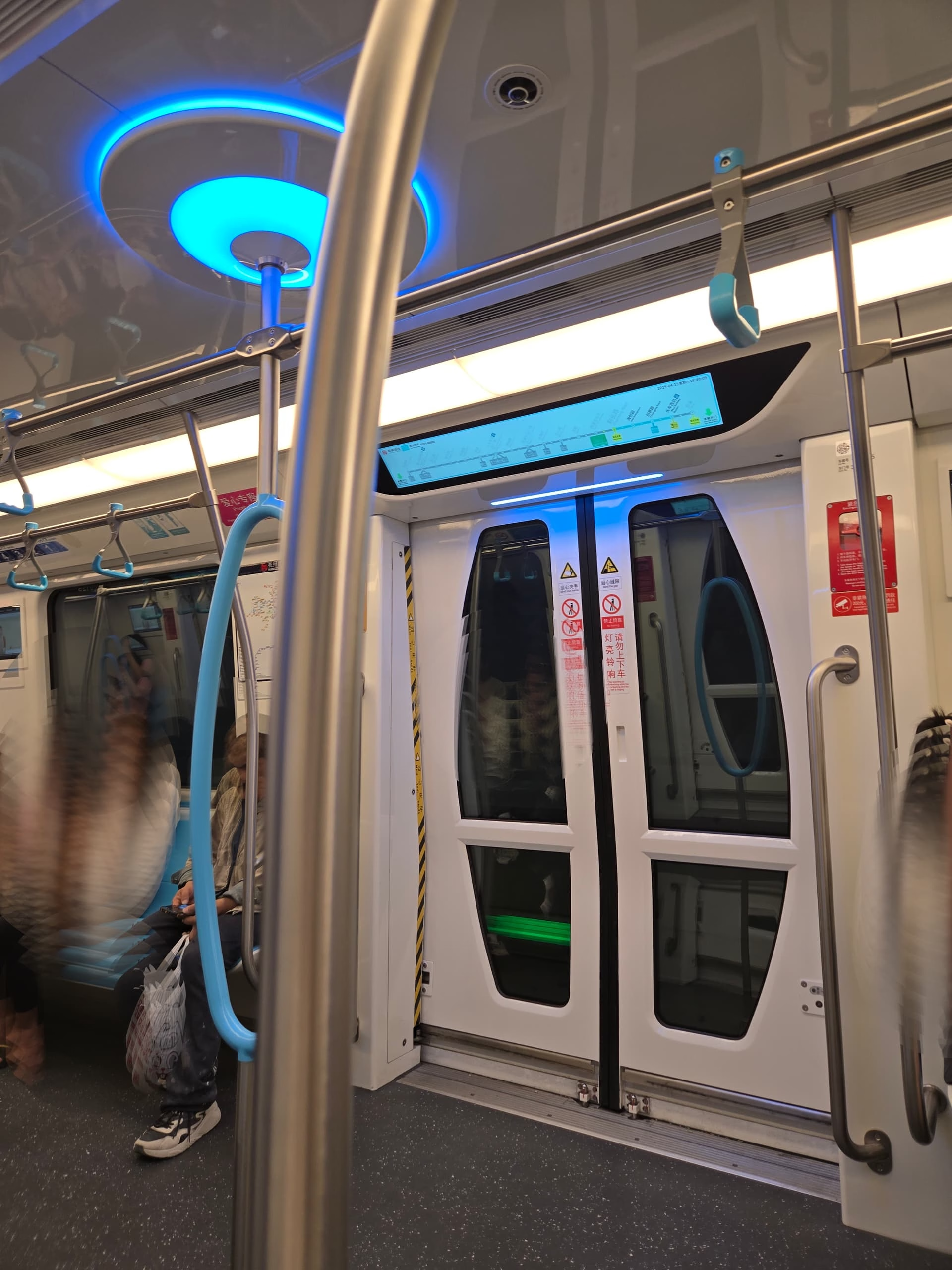
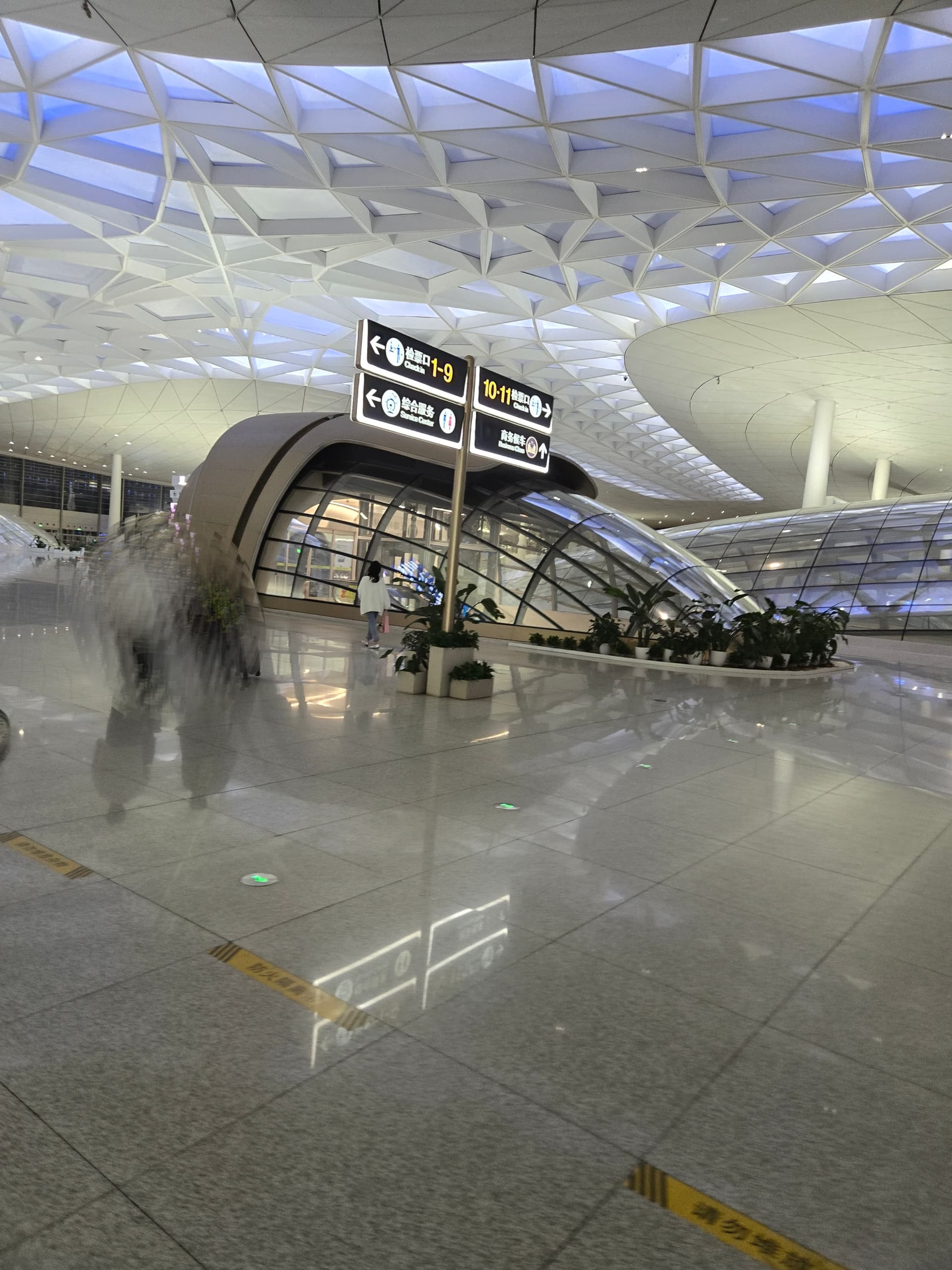
. The dishes all suited my palate: kelp and pork rib soup, spinach, and egg custard. Then I left Hangzhou. The lighting on Metro Line 19 has a sci‑fi spaceship vibe. The décor of Hangzhou West Station is also sci‑fi, but only half of it is in operation; the other half is empty.
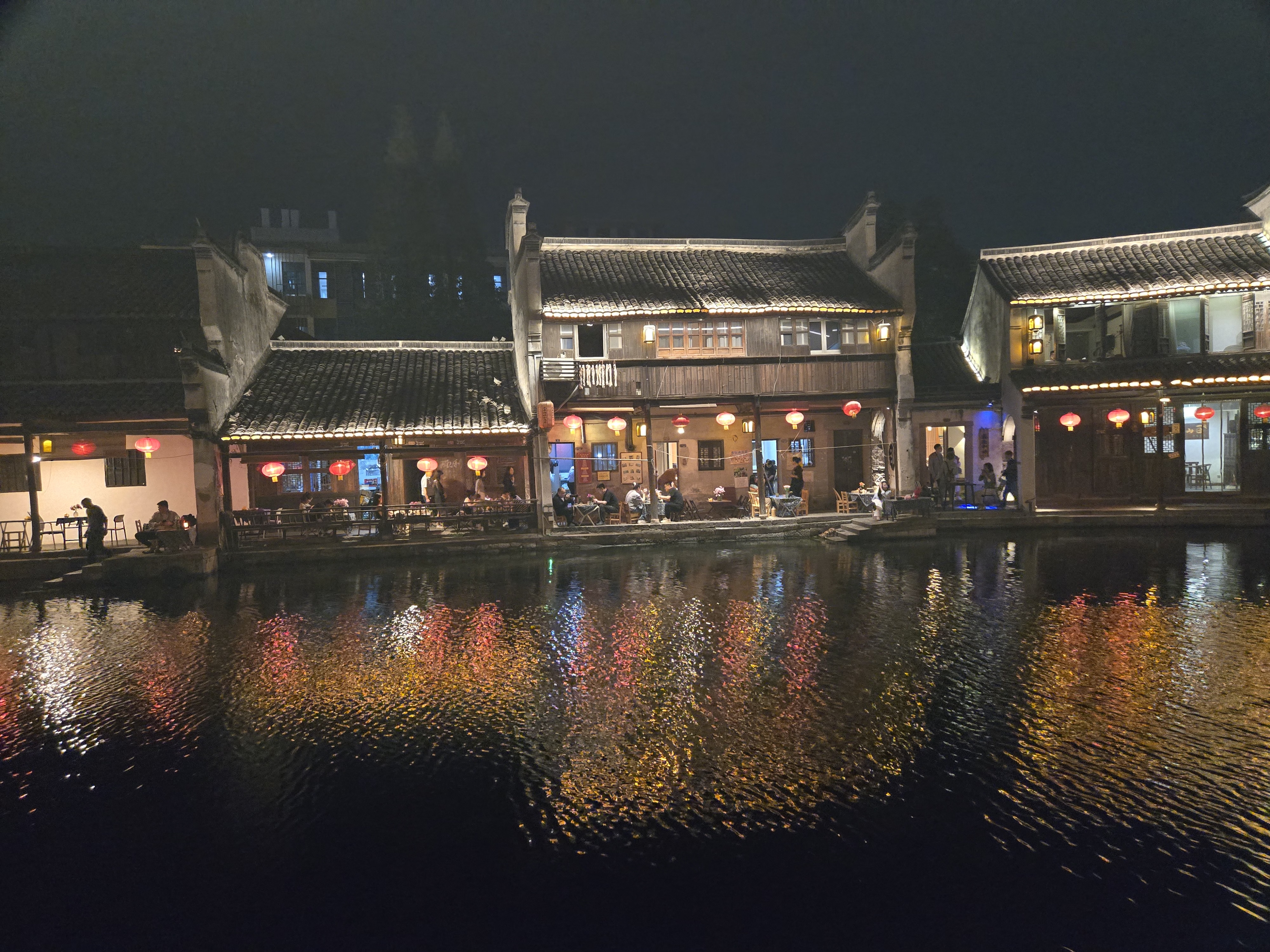
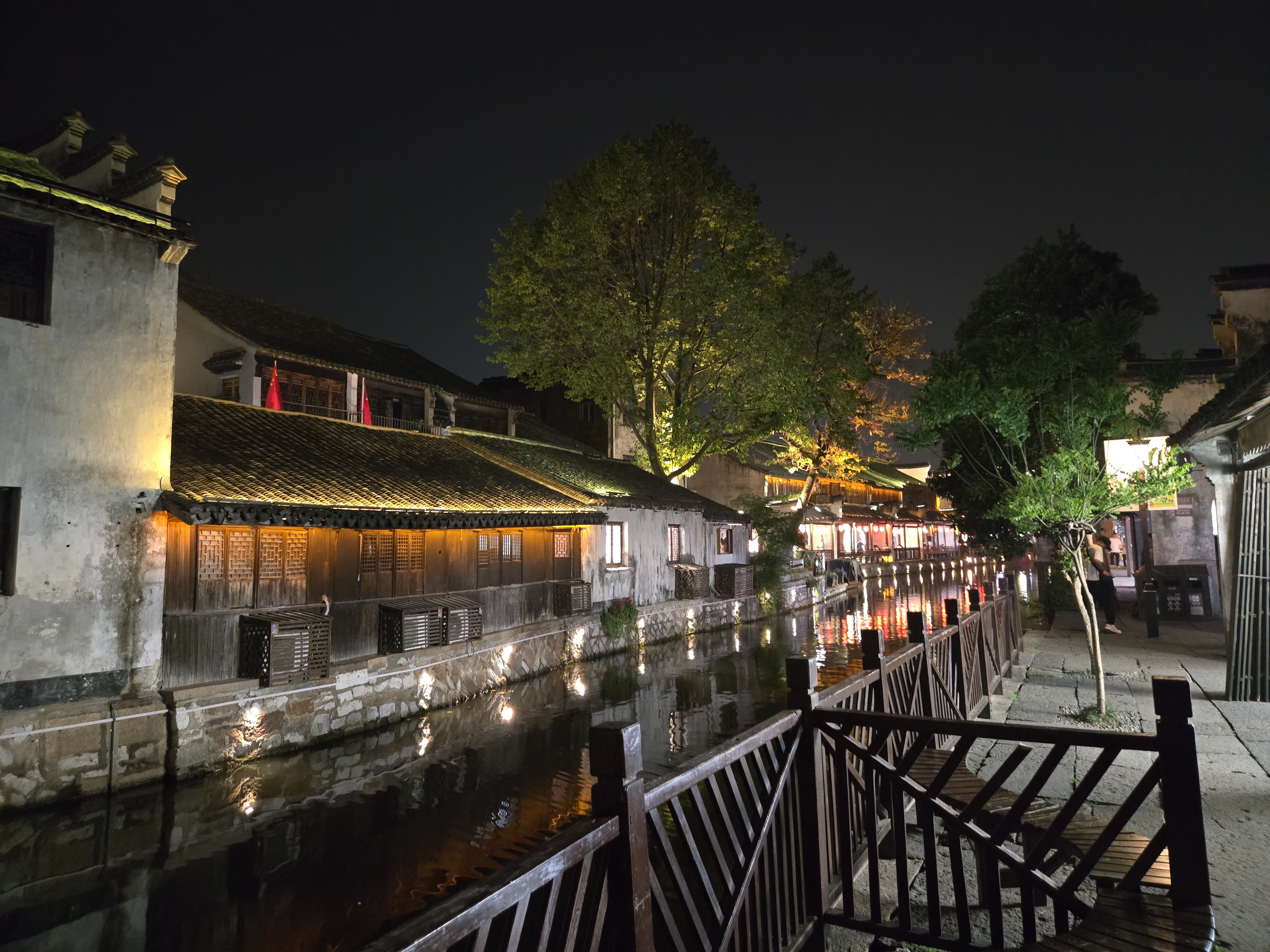
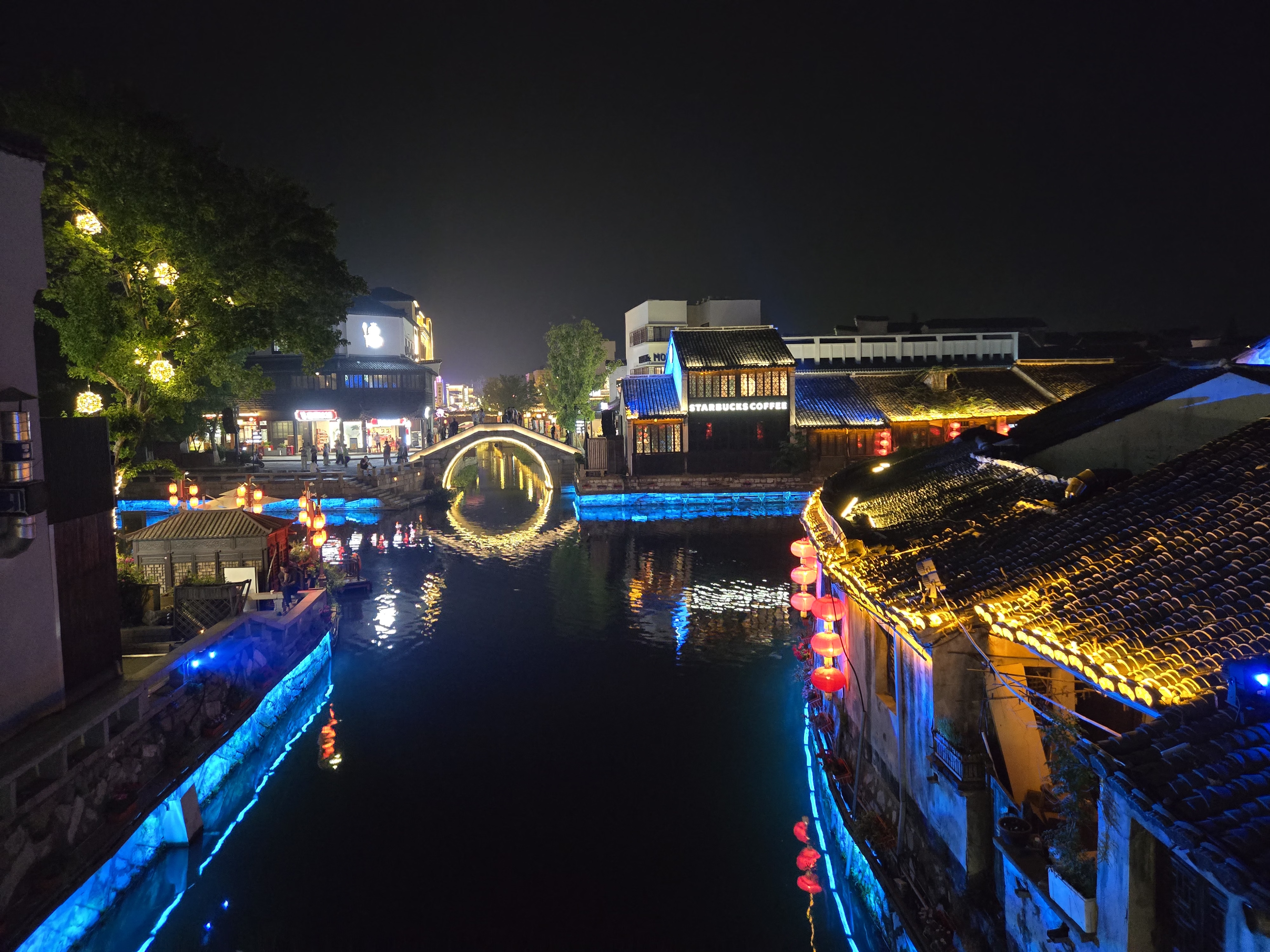
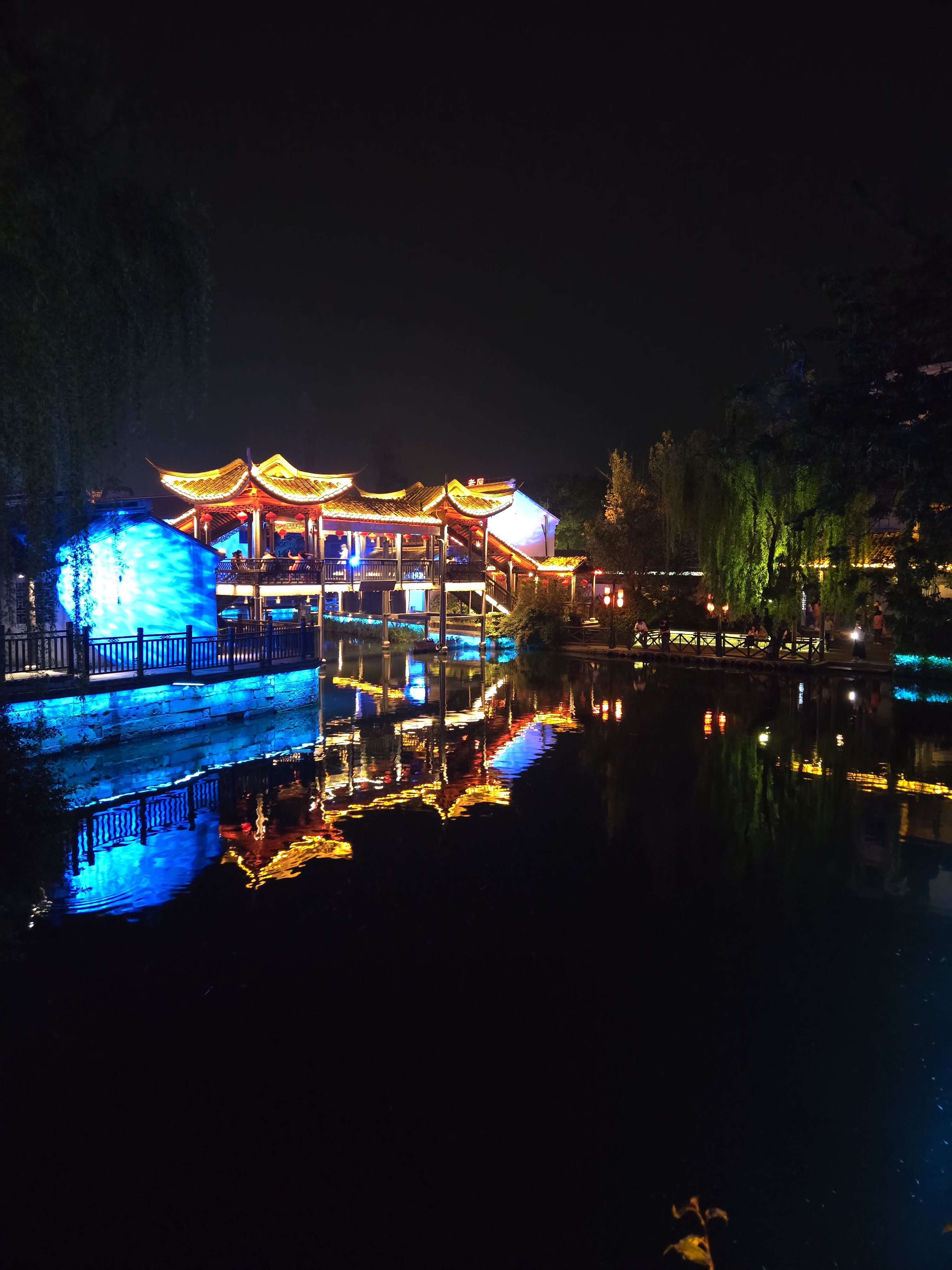
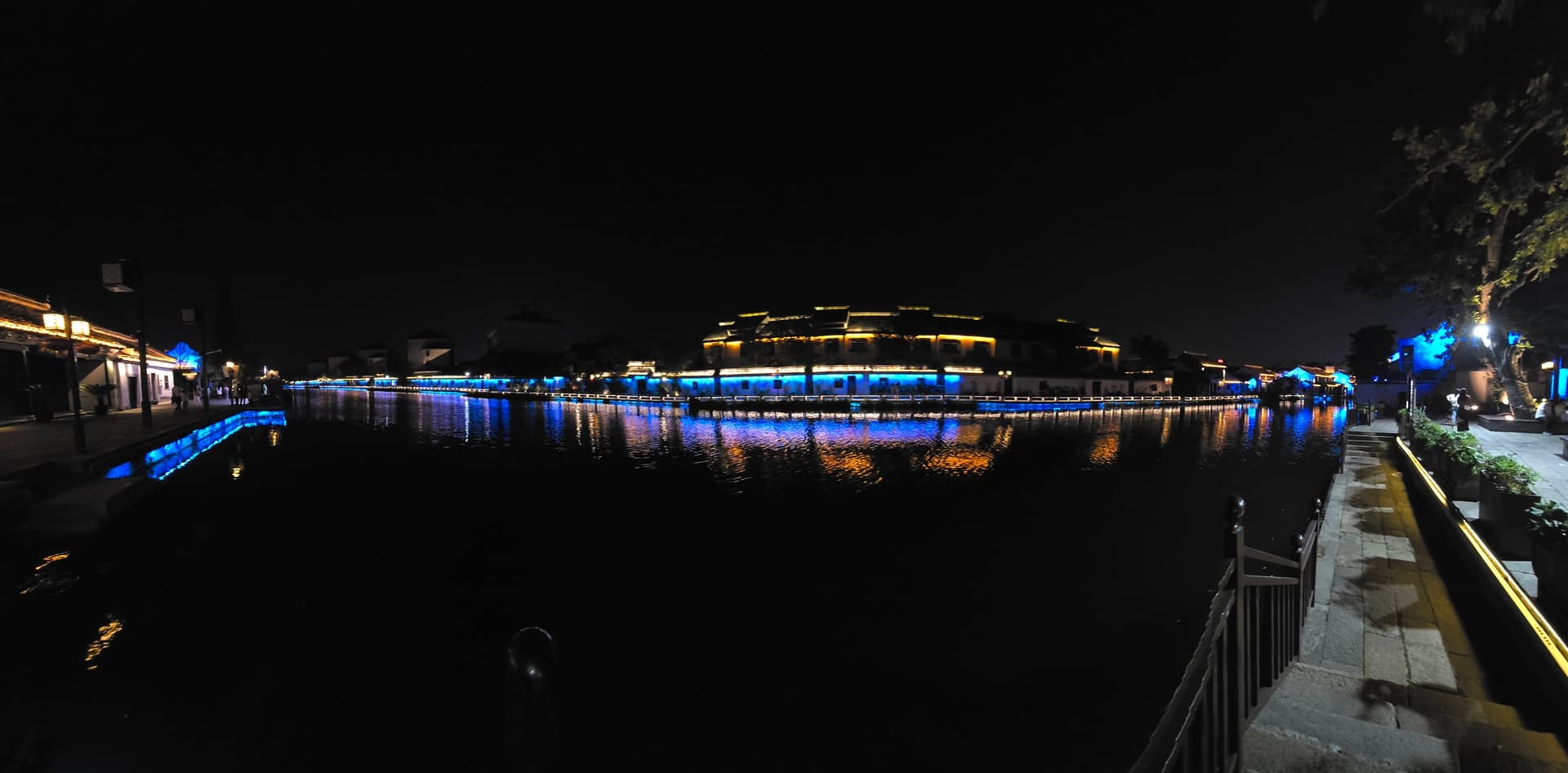
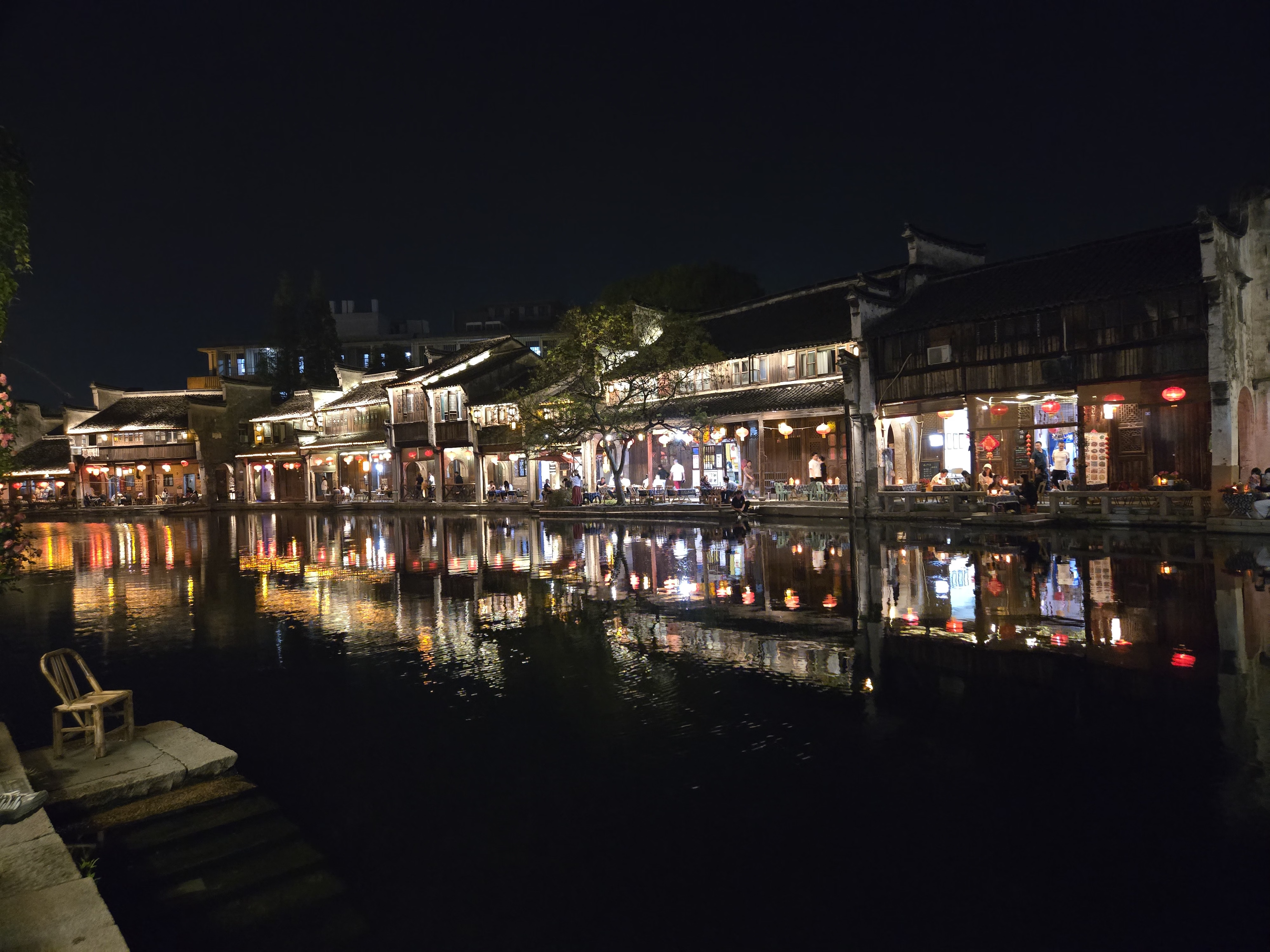
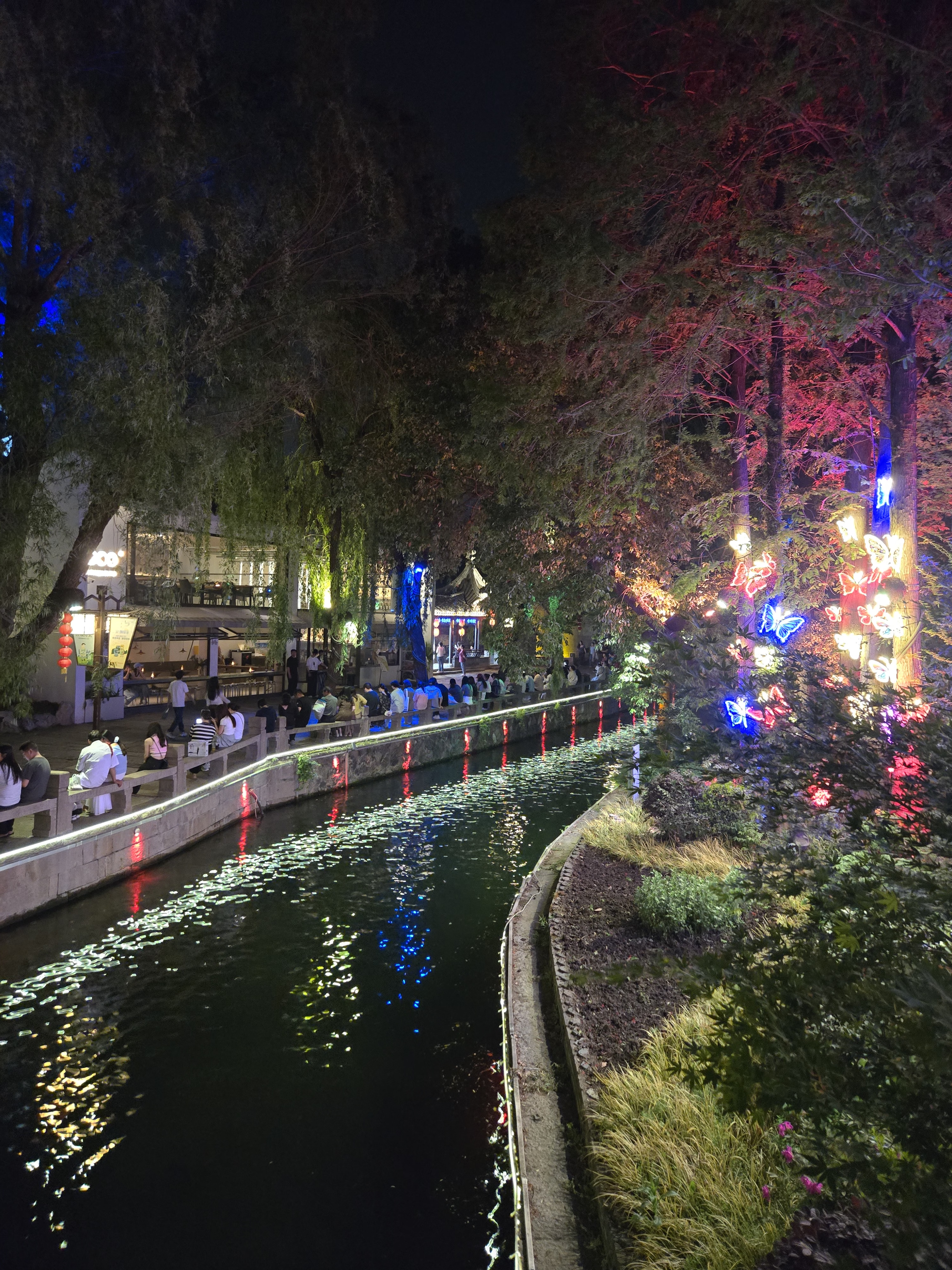
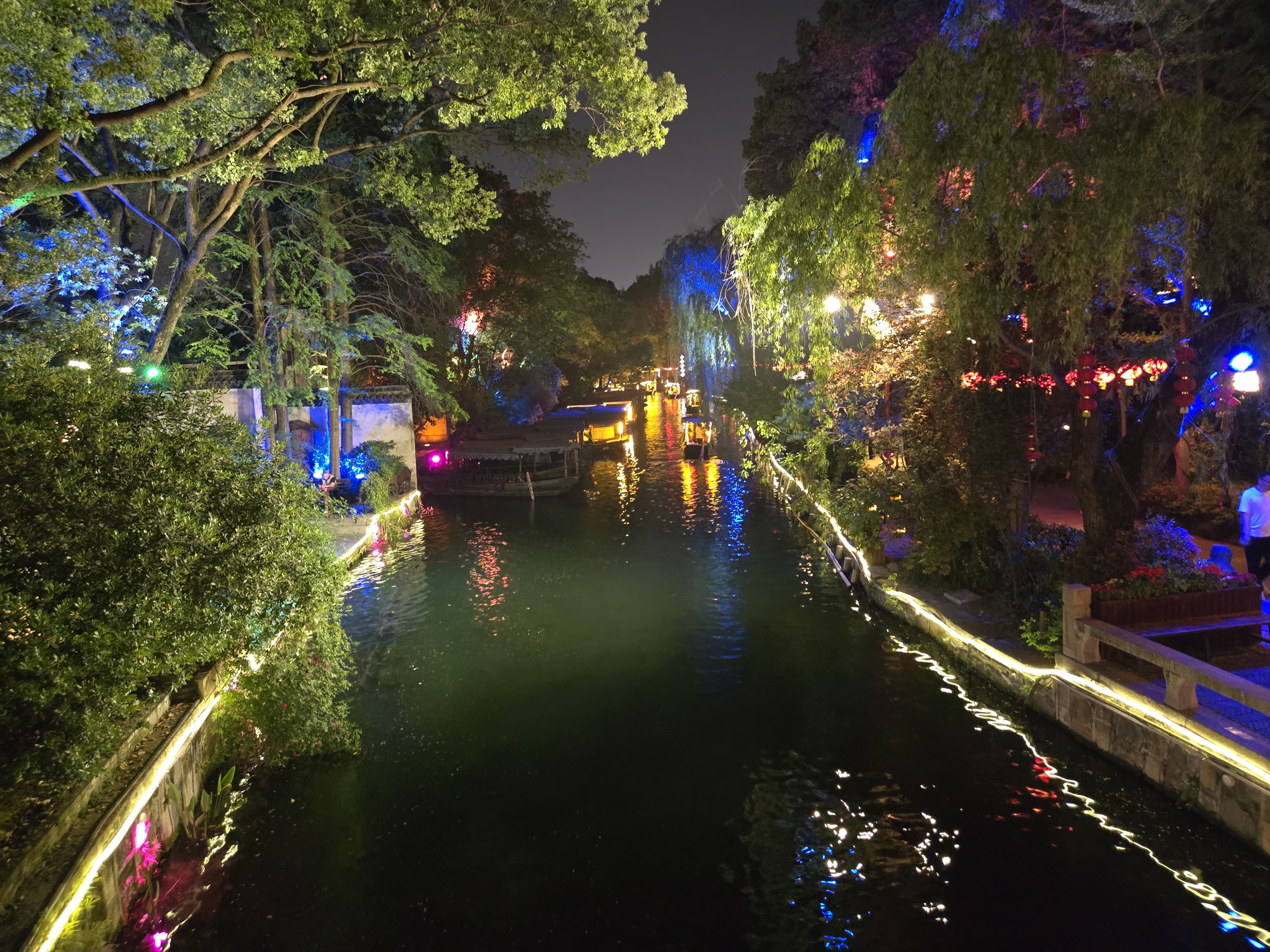
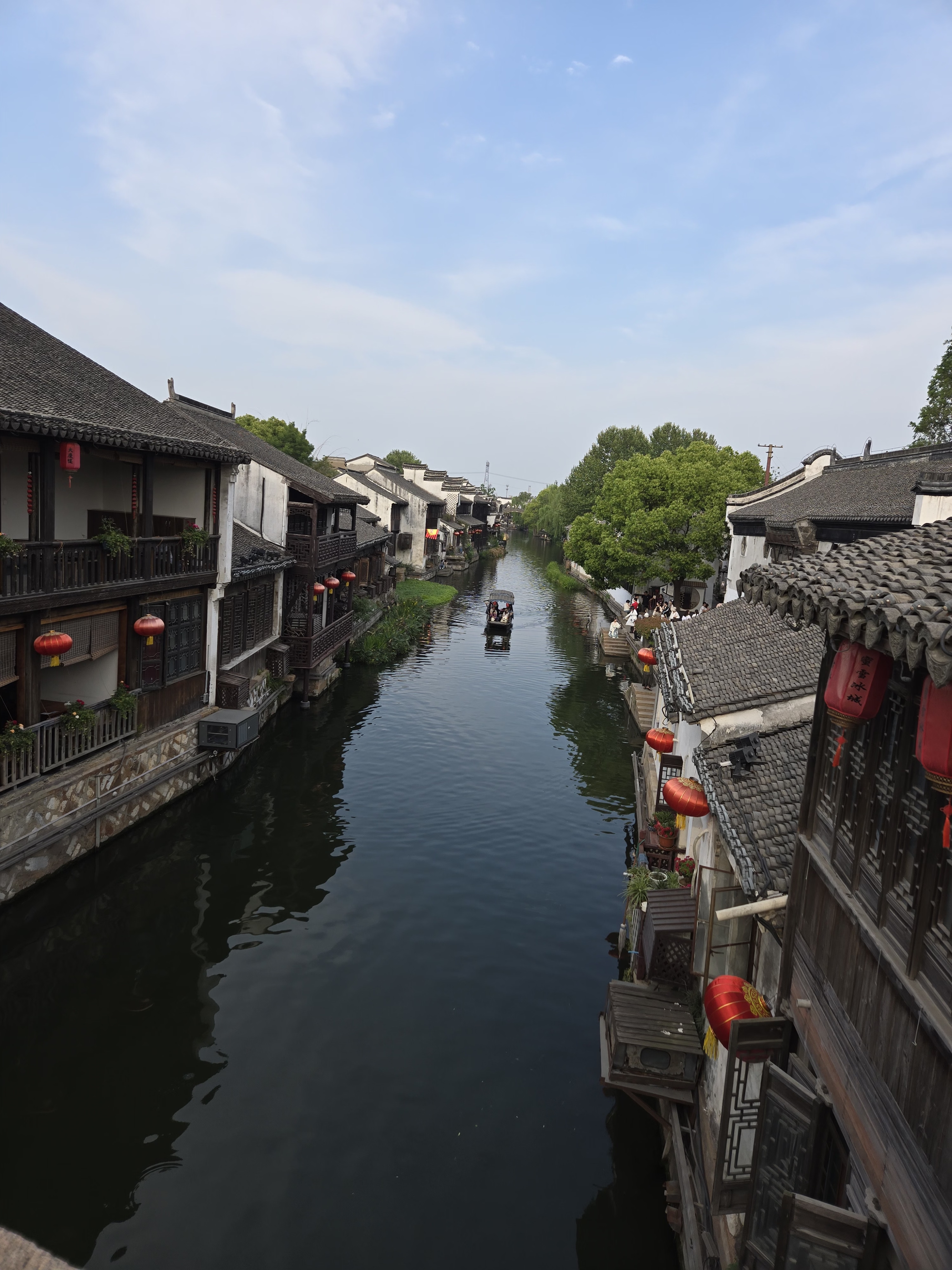
At night I visited the ancient town of Nanxun in Huzhou, which has free entry. The colorful lights are wonderful.
However, if not used well, some angles can give a chaotic, bar‑like feeling, as shown in the two pictures below:
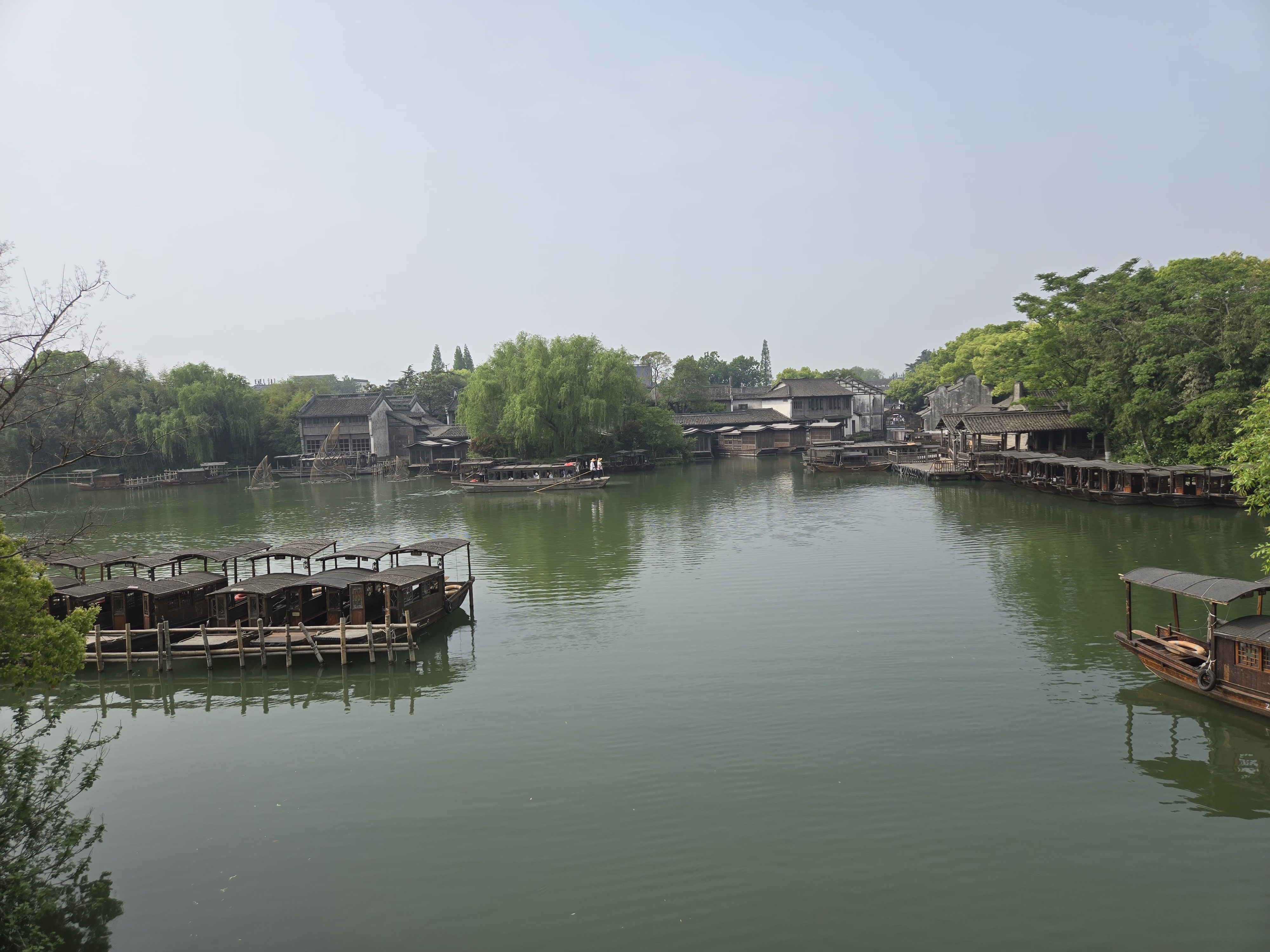
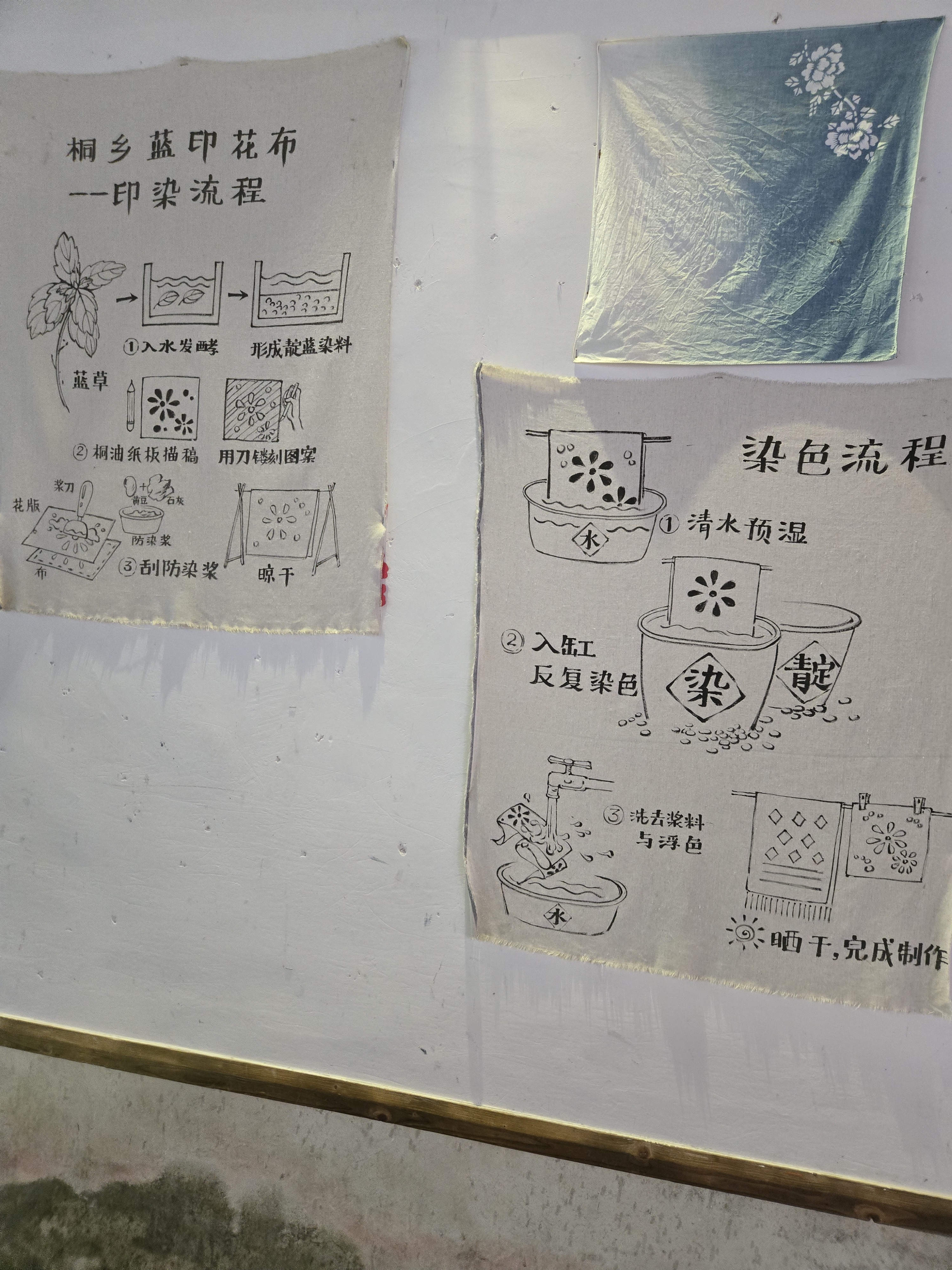
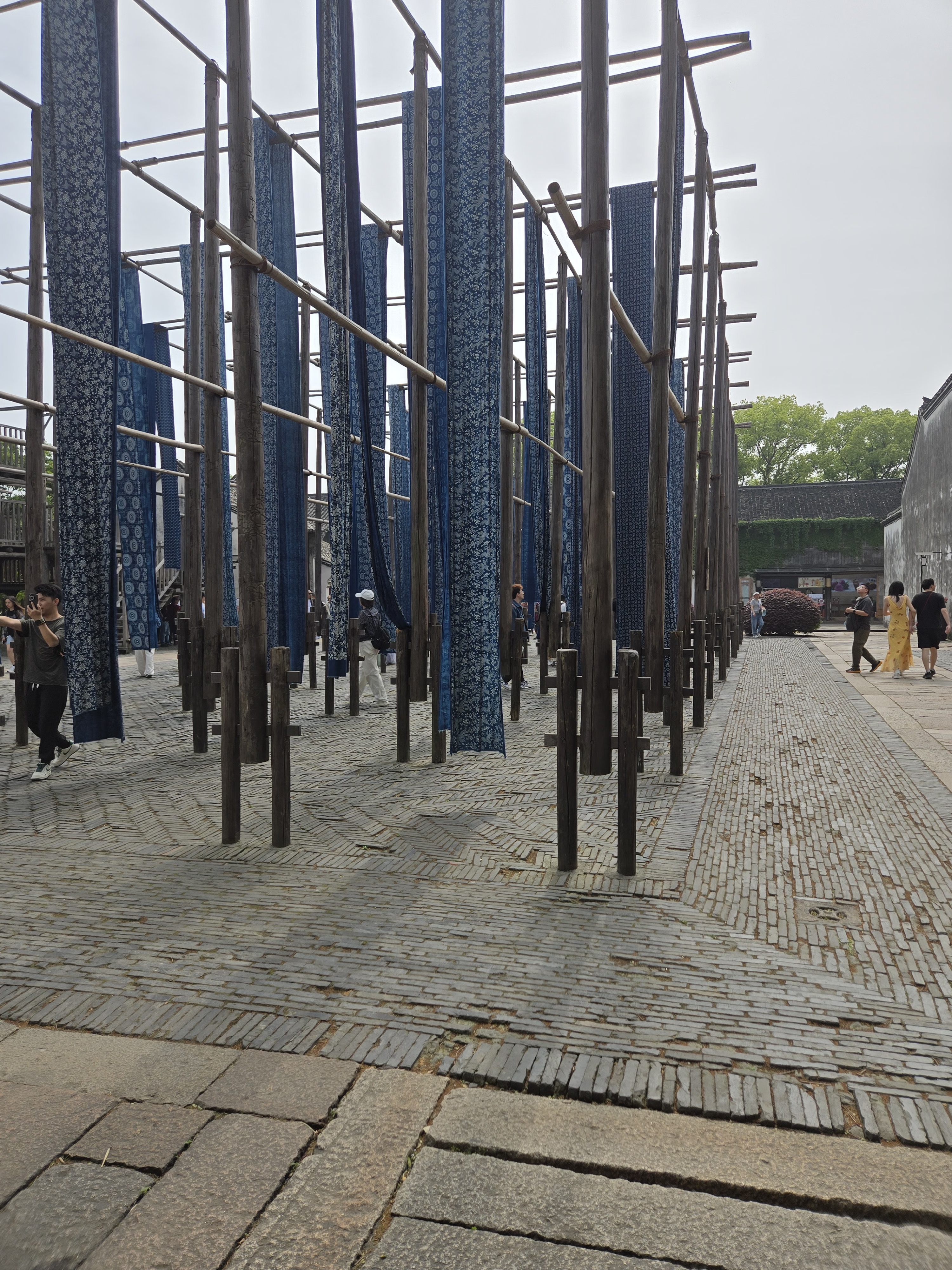
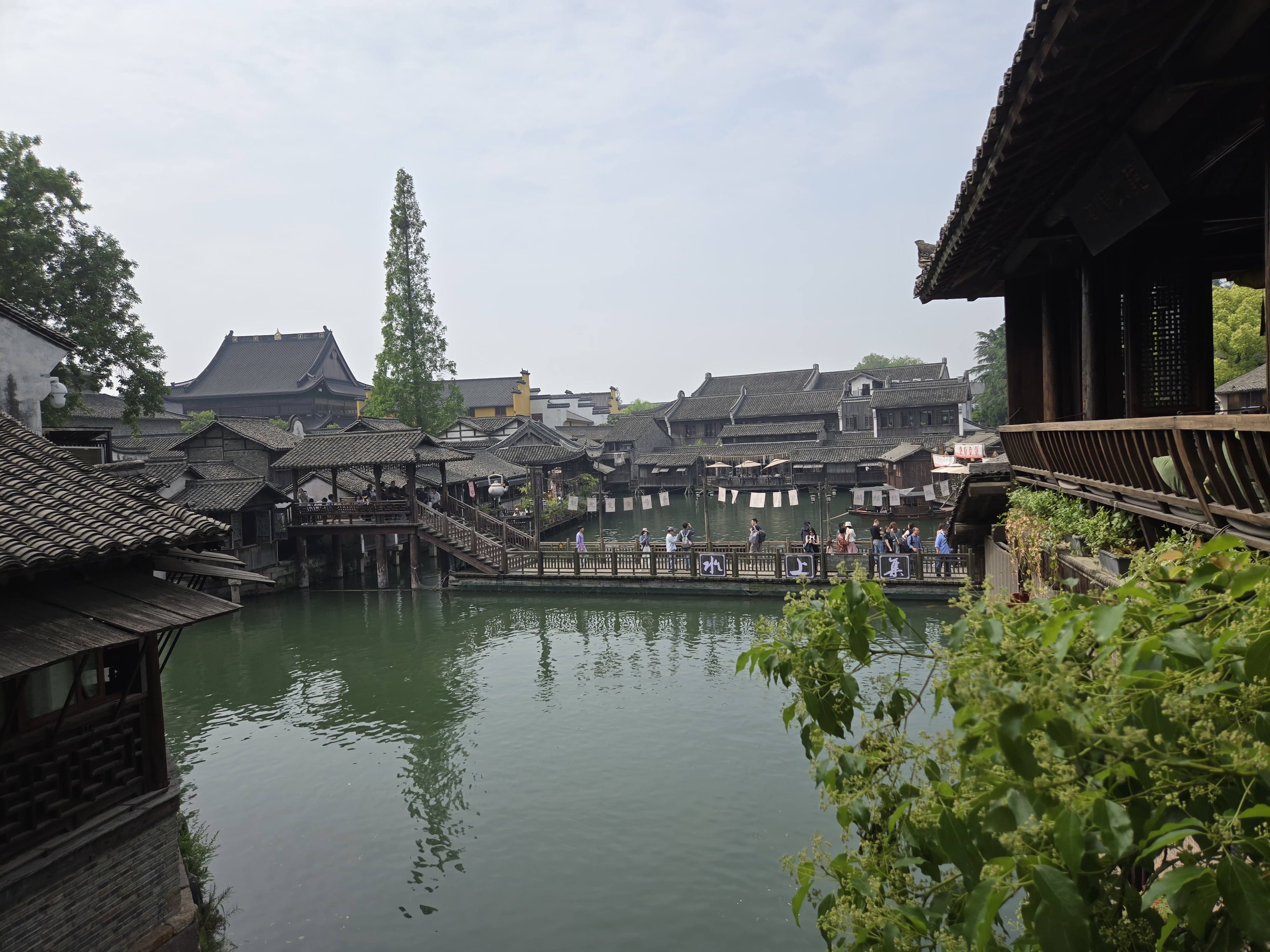
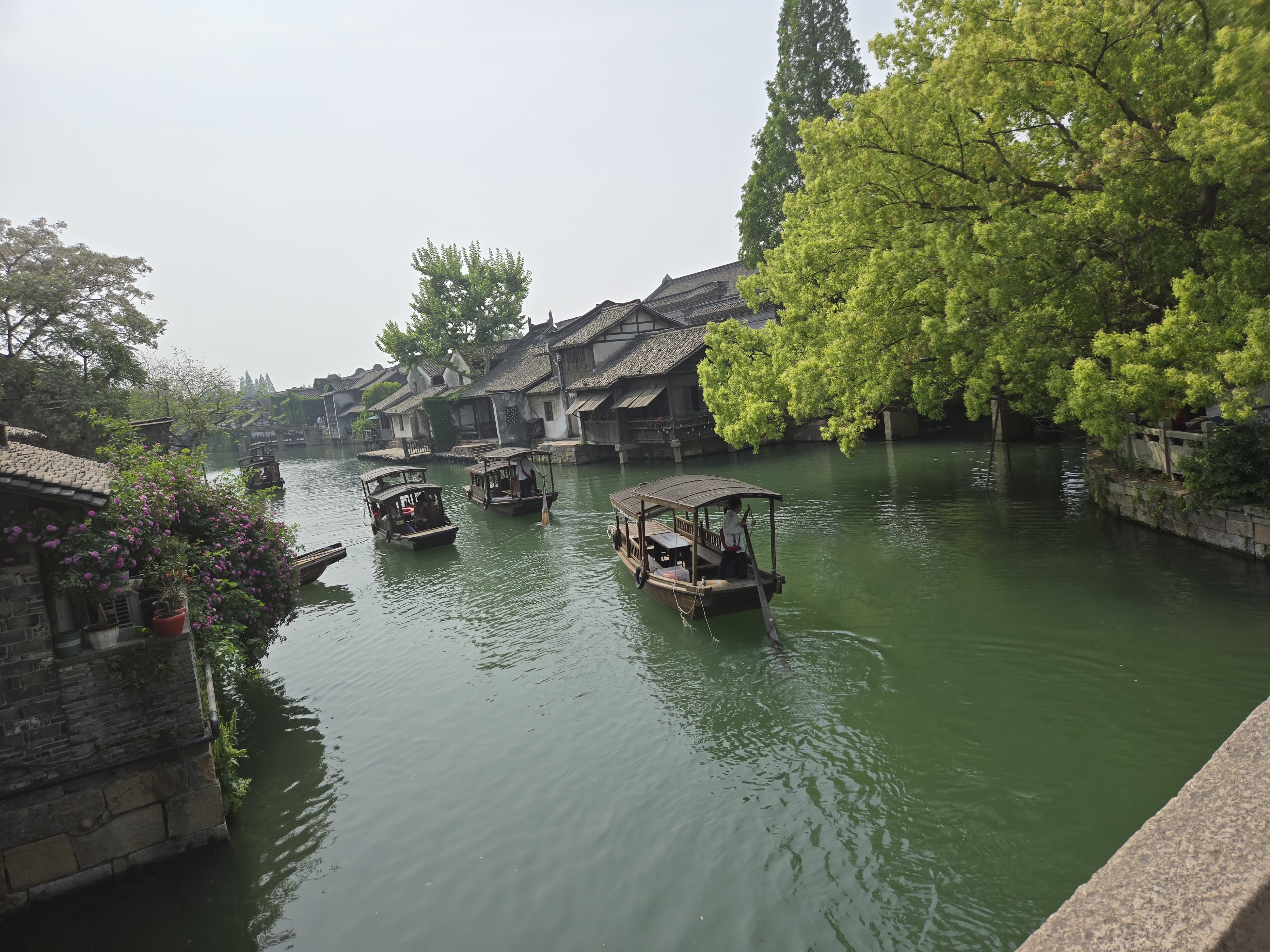
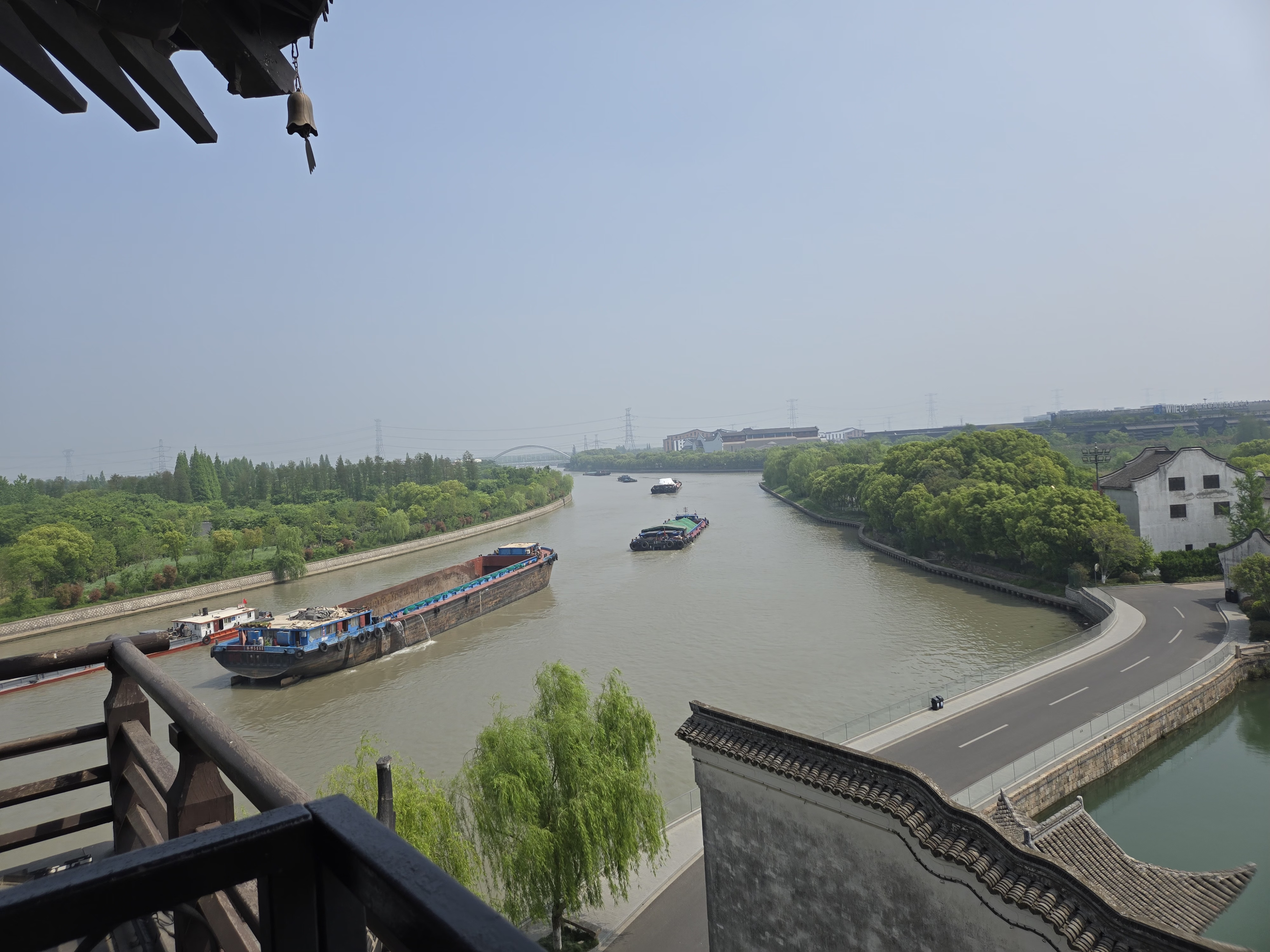
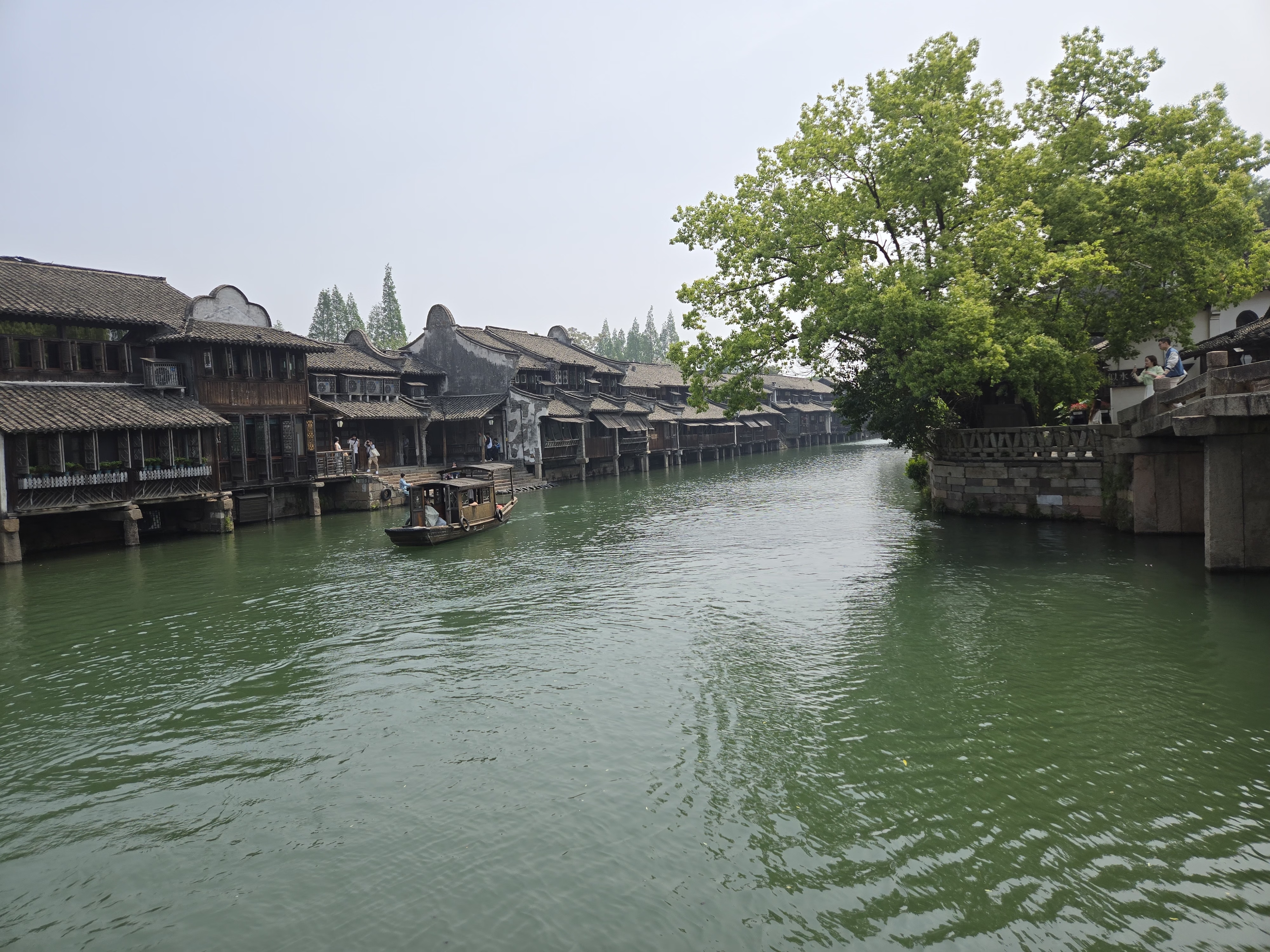
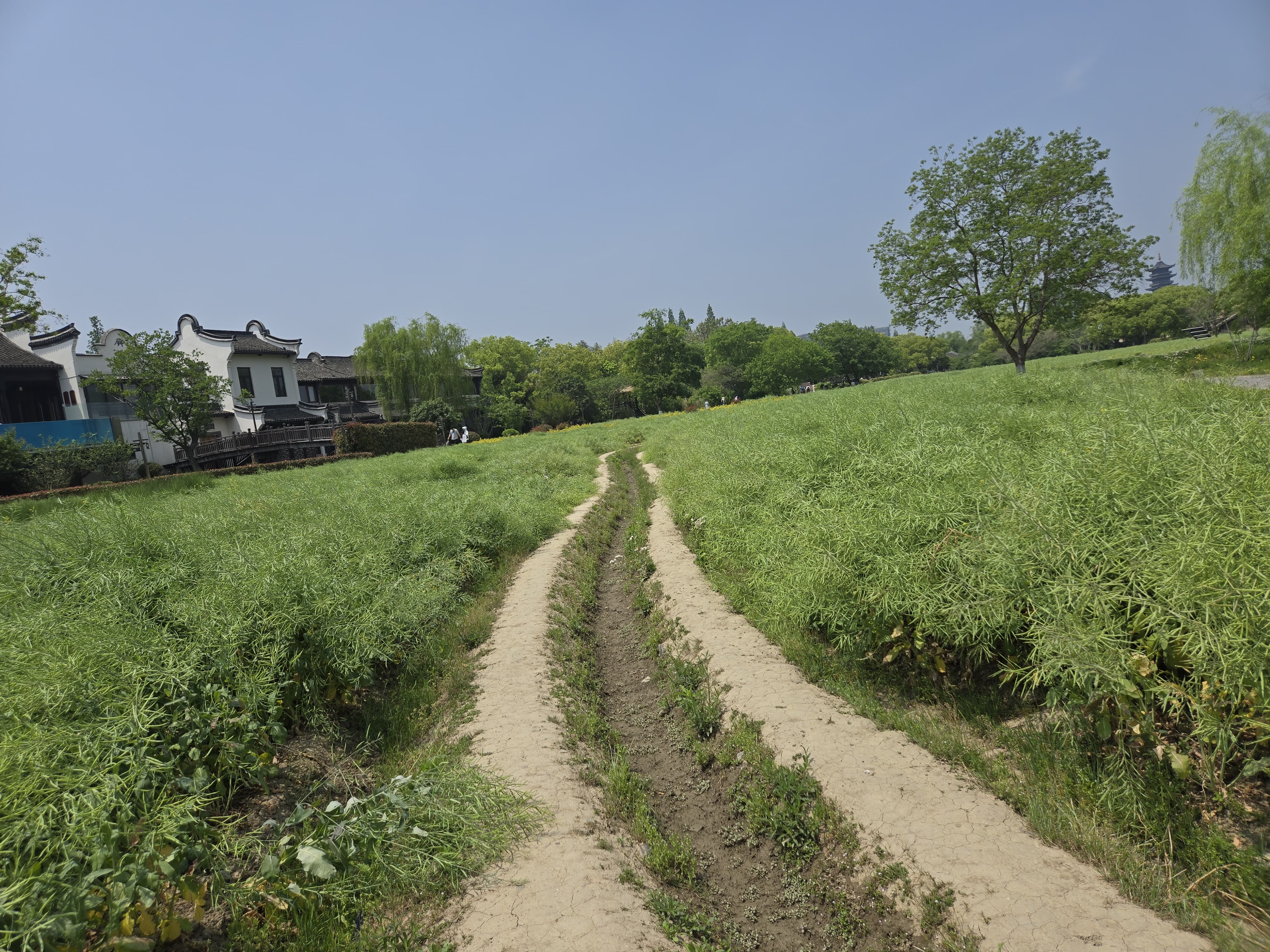
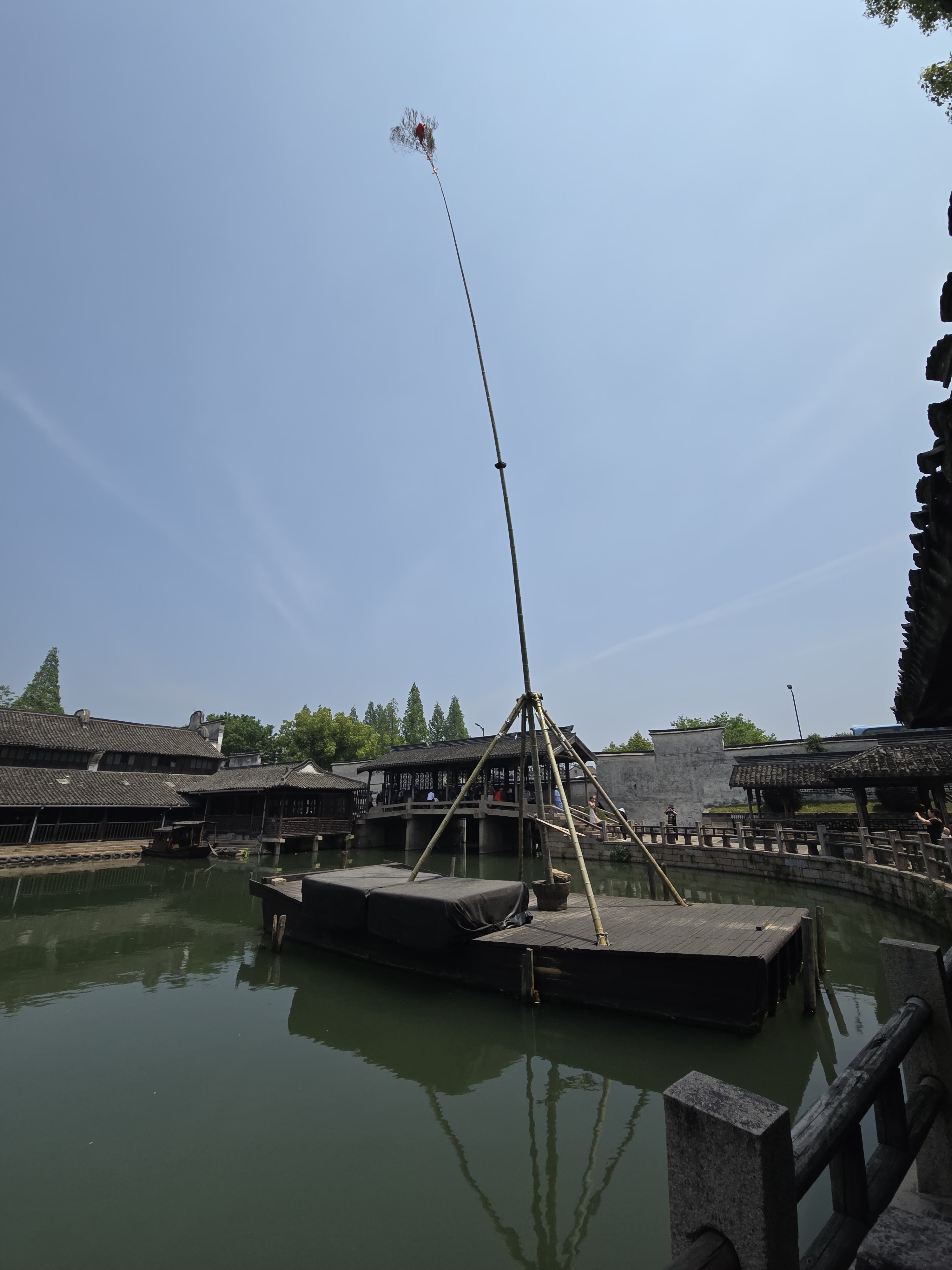
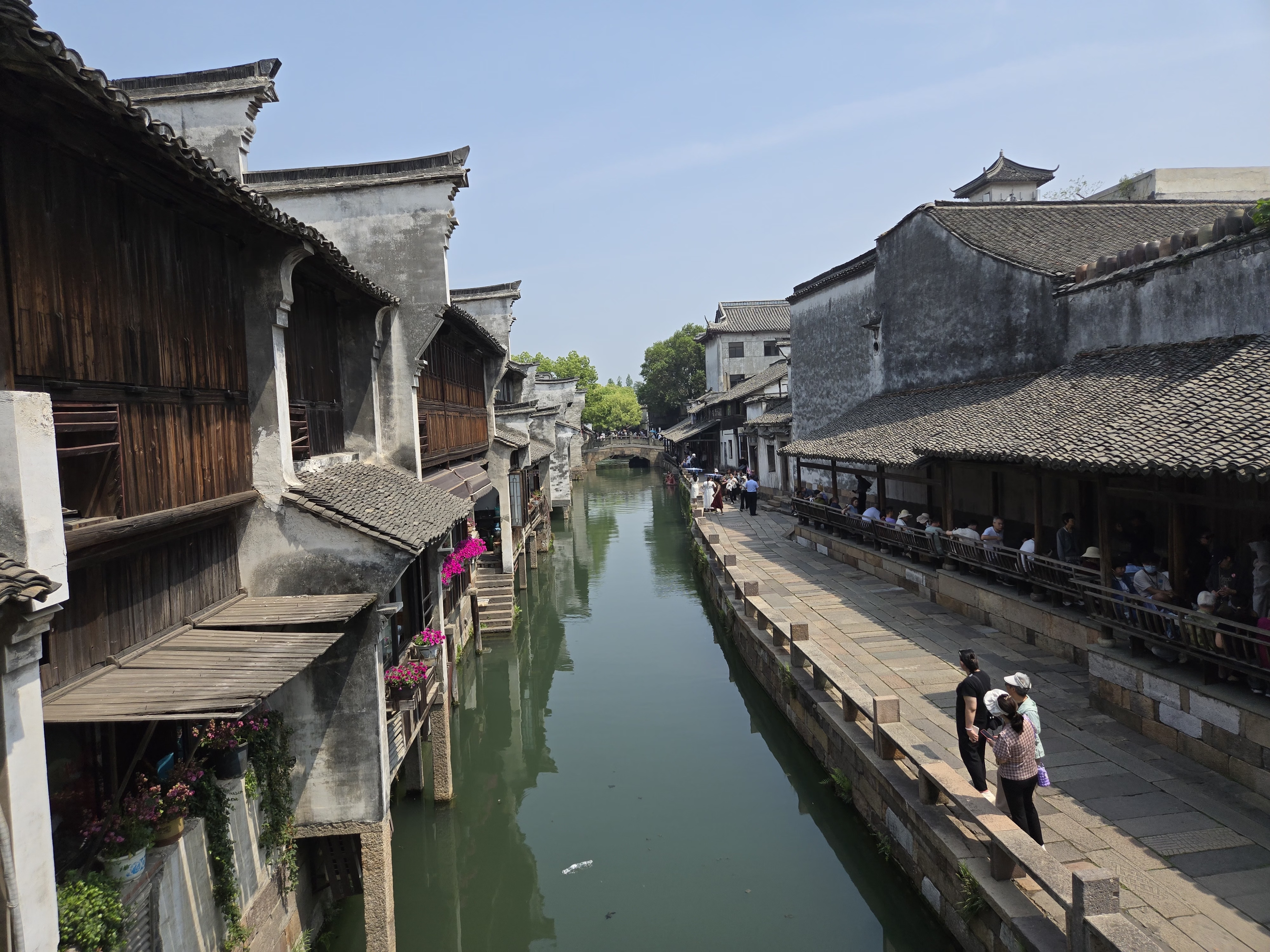
The next day I toured Wuzhen during the day. The place originally belonged to Huzhou, later transferred to Tongxiang, Jiaxing. There are two scenic areas about 2 km apart: Xizha (pronounced “zhà”) with a single‑ticket price of ¥150, and a combined ticket for Dongzha at ¥190. At Xizha you can pay extra to learn dyeing, see the Grand Canal at the northwest corner, and in the right season view rapeseed flowers.
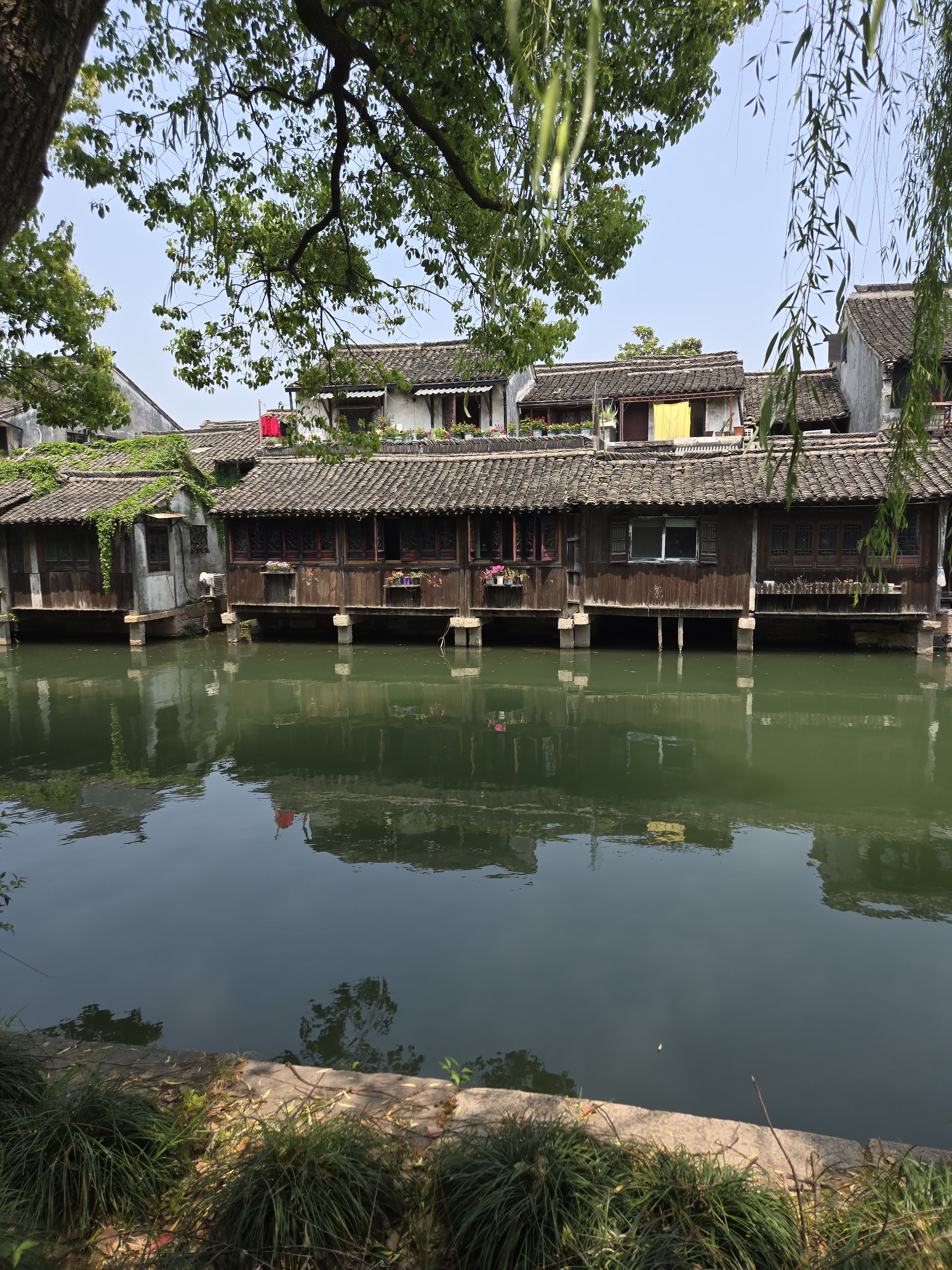
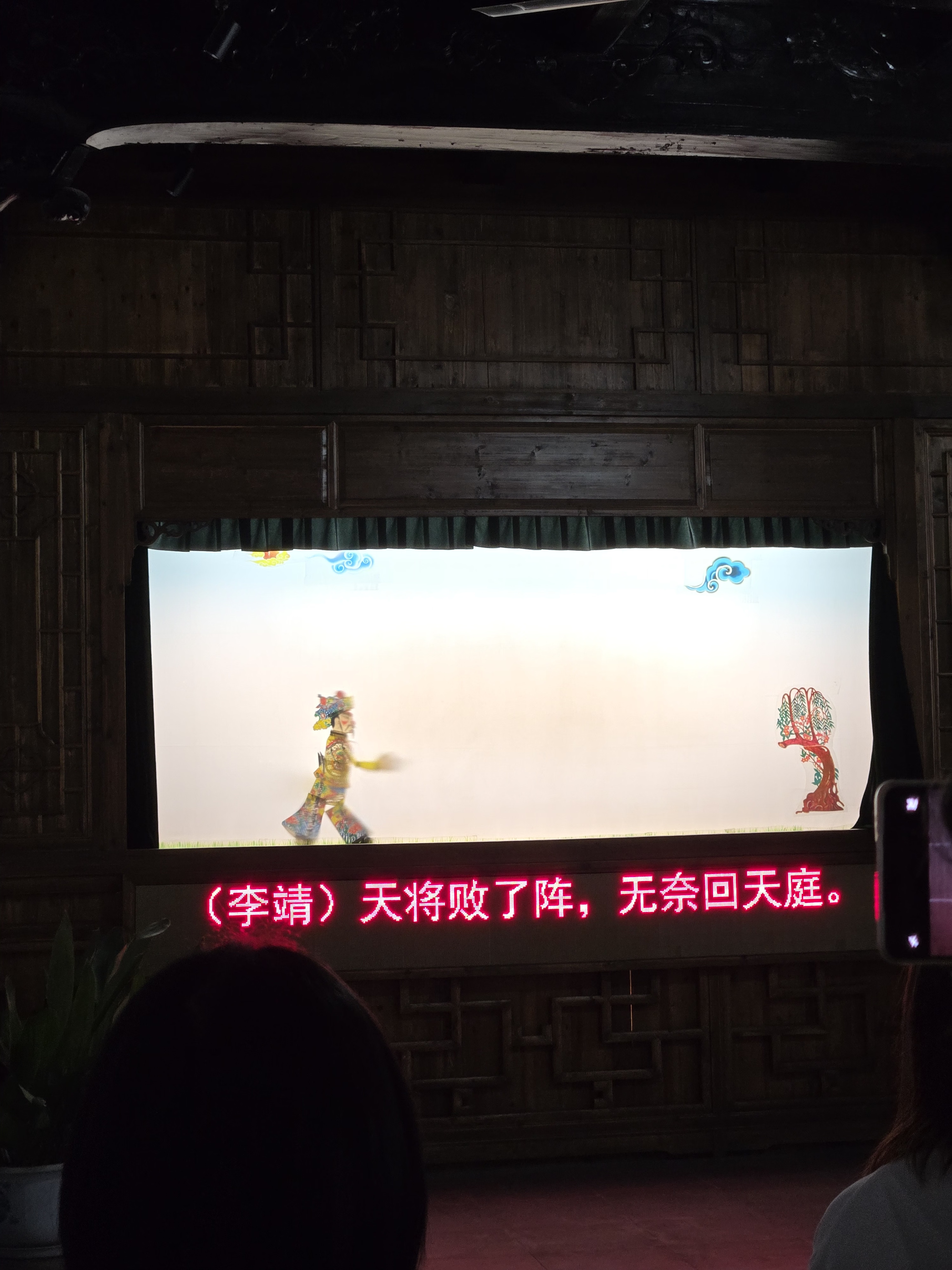
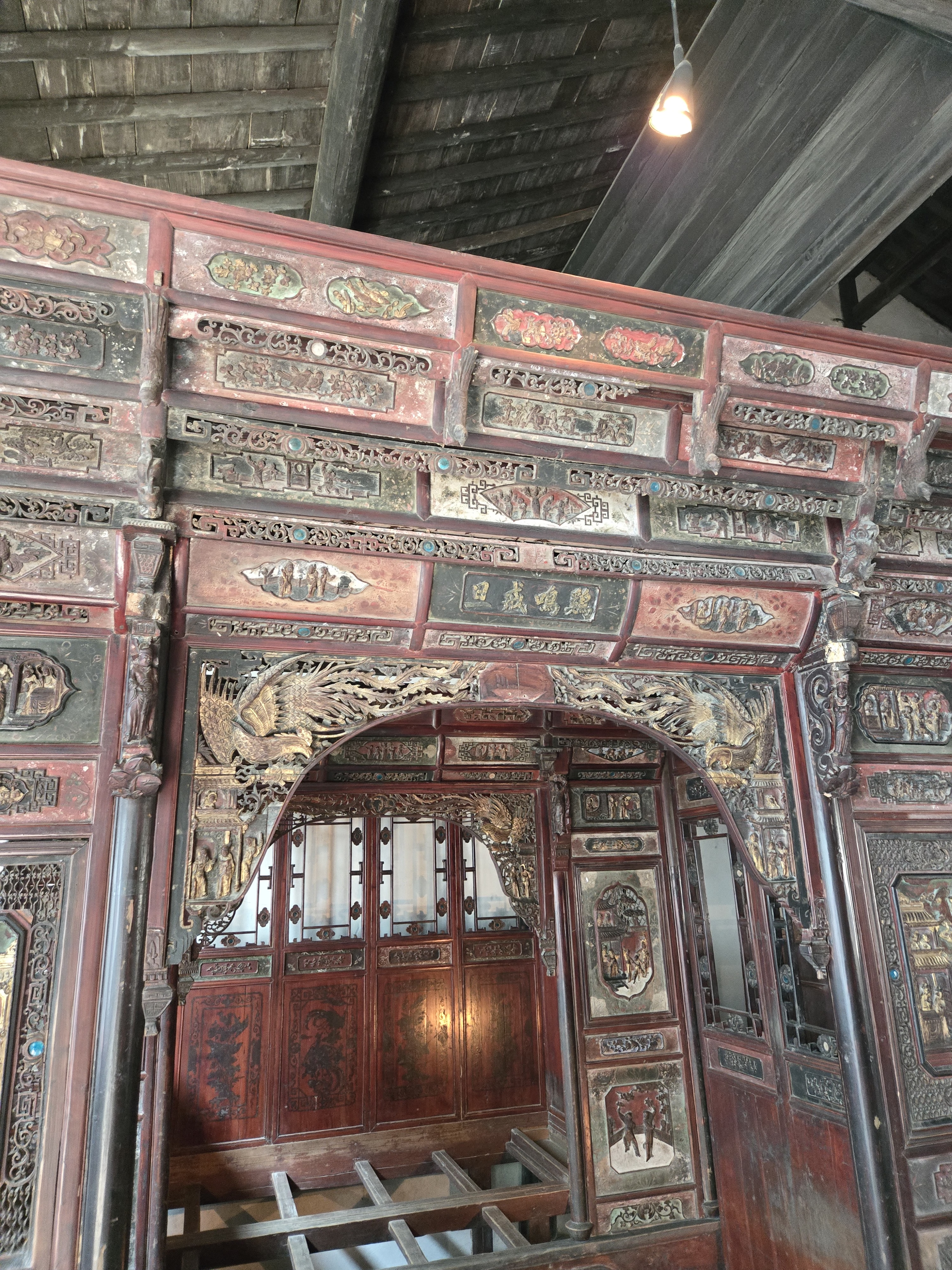
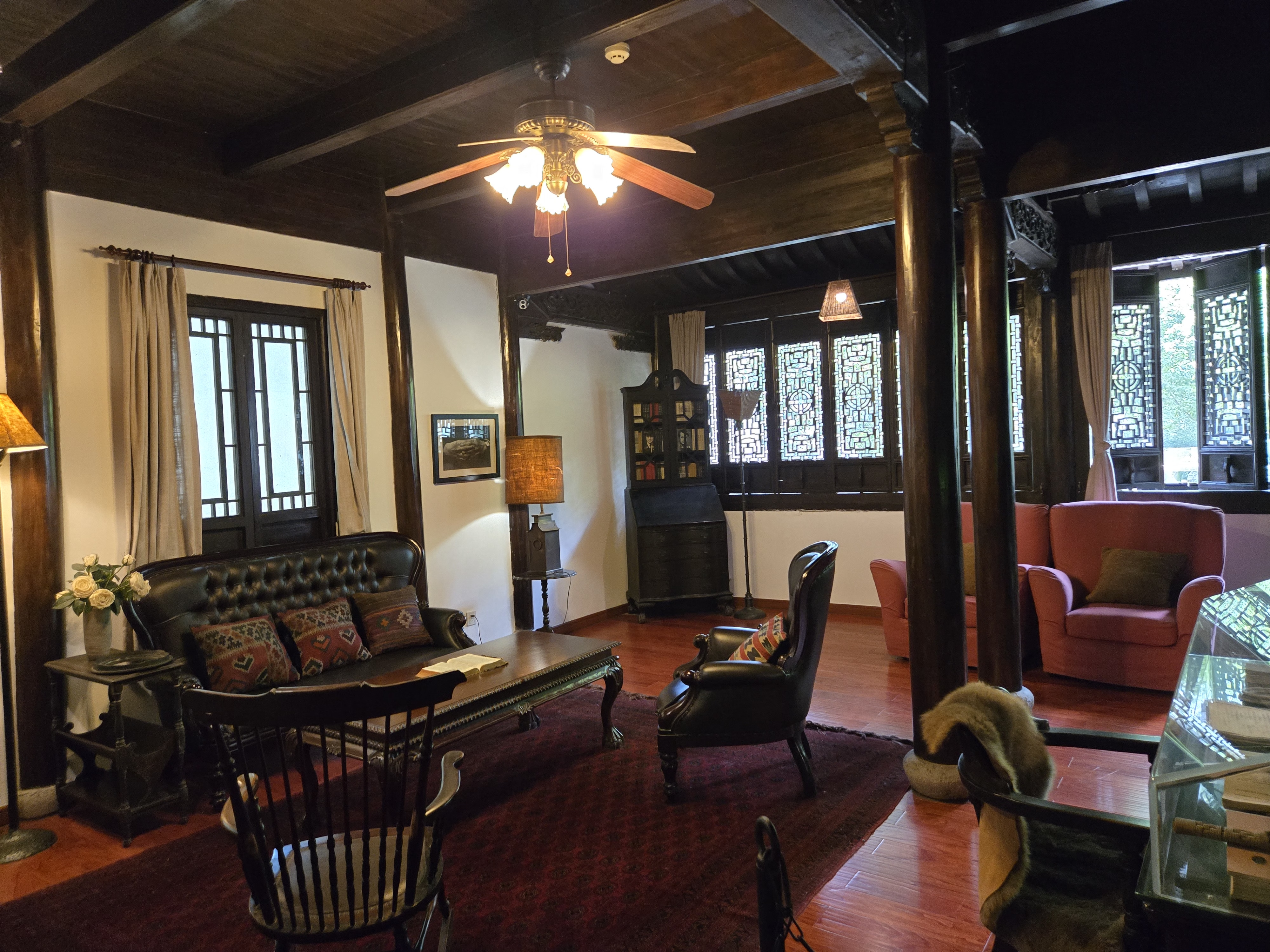
Dongzha is slightly smaller and seems to have more indigenous residents; you can see ancient beds, wood carvings, historic wooden houses, and traditional opera performances.
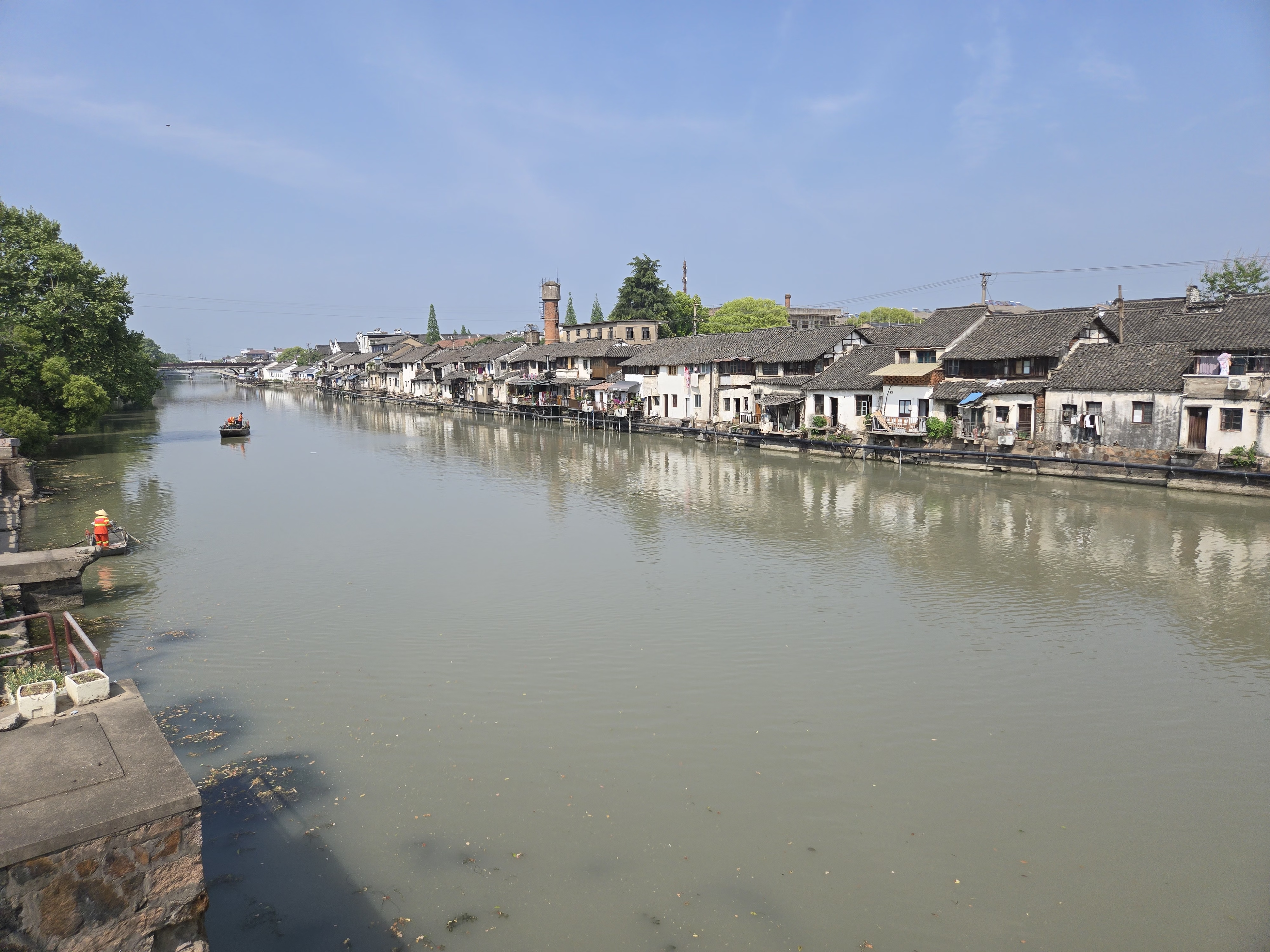
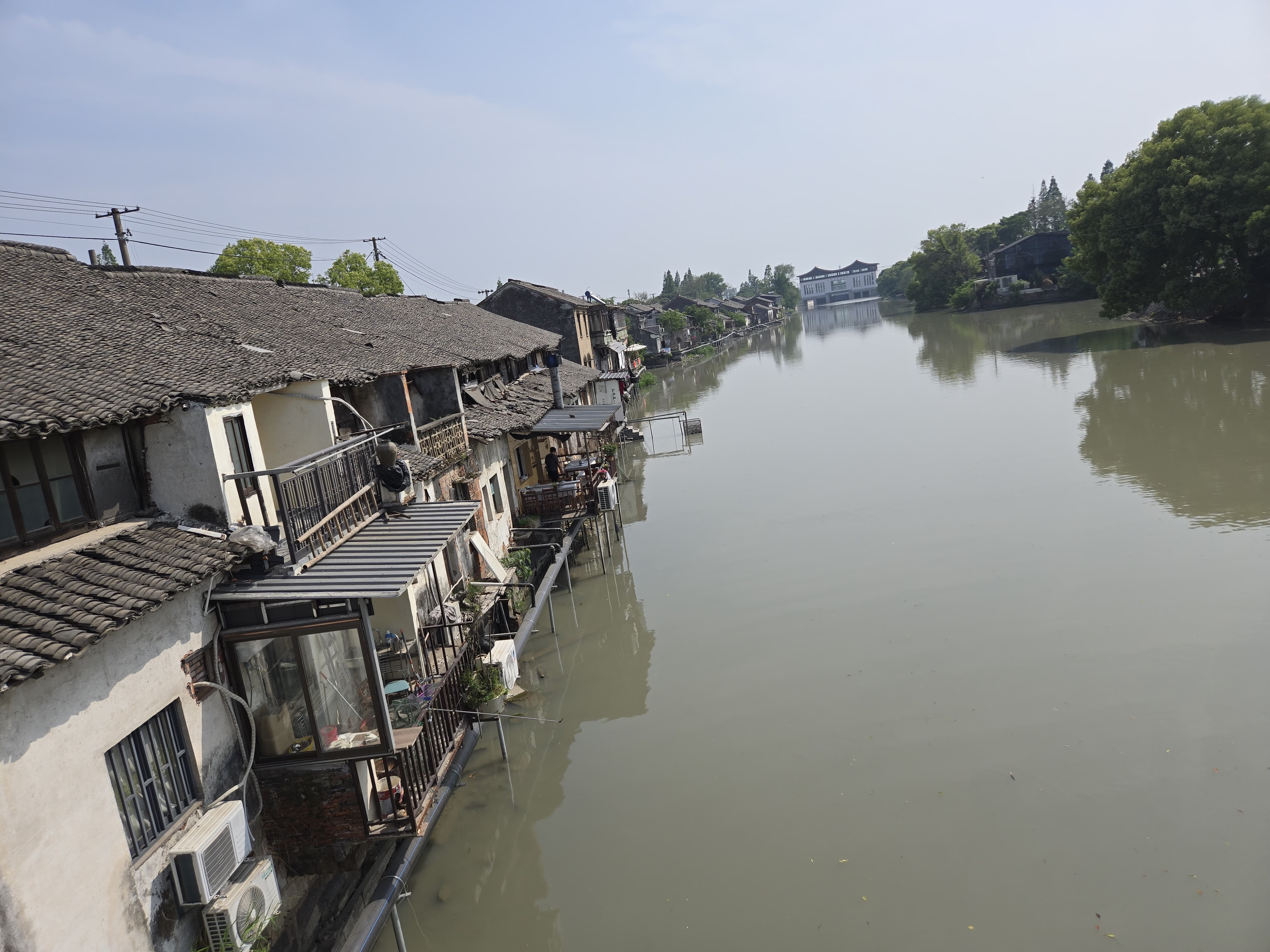
Nan Zha is not a scenic area; it’s a residential stretch along the river, small in size, with narrow alleys and nothing noteworthy— not recommended to visit.
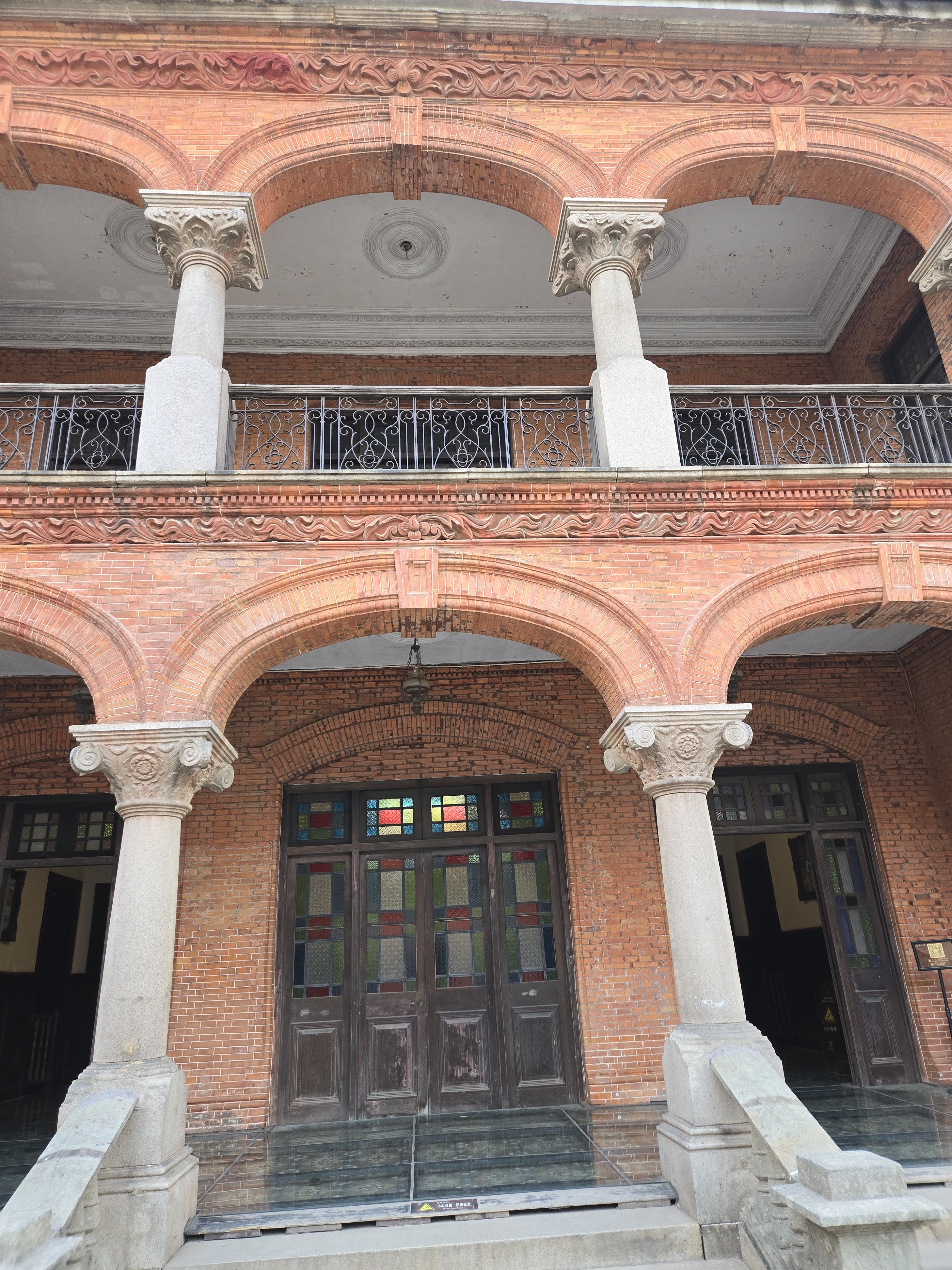
Later I returned to Nanxun Ancient Town and spent ¥75 to enter several small paid attractions.
Verdict: I do not recommend going to Wuzhen. If you want to experience the water‑town atmosphere, go to Nanxun Ancient Town in the evening—it’s closer to the high‑speed rail station, and avoid the small paid attractions.