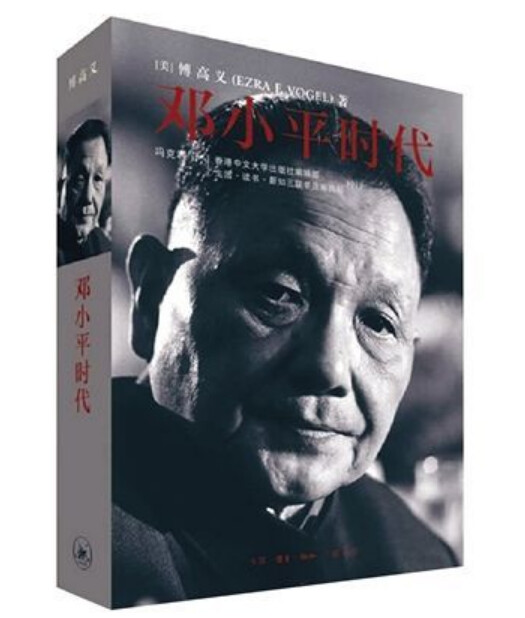
Harvard University Professor Ezra Vogel devoted ten years of effort to complete the authoritative masterpiece Deng Xiaoping Era. In China there are two versions, a Hong Kong edition and a Mainland edition; I read the Hong Kong edition, which is somewhat more realistic and objective. The author conducts a deep analysis of Deng Xiaoping’s personal character and governing style, and offers a comprehensive and unique exposition of China’s reform and opening‑up history. The book combines the rigorous specialization of academic research with a thorough grasp of China’s contemporary politics and human affairs, and has been hailed as a “monumental” work in Deng Xiaoping studies.
One month since the start of school:
- 《施剑翘复仇案》林郁沁: poorly written, material piled up, no new viewpoints, the high score was purely because some stupid feminist brushed it;
- The Perils of Interpreting Henrietta Harrison: a pit dug last semester, finally finished reading at the start of term, but the English version looks a bit tough (the author is too verbose), so I just read the Taiwanese edition for the last few chapters. The biography style includes many details, the arguments aren’t as high‑level as in 《龙与狮的对话》;
- 《义和团运动的起源》周锡瑞: microhistory focusing on western Shandong, especially the flower‑planting area of Guān County, a bit dry to read since I’ve never been to western Shandong. The evidence is very meticulous, but the conclusions are cautious; some viewpoints indeed differ from mainstream understanding;
- 《逆行的霸主:夫差传奇》刘勃: fooled by the title, turned out not to be a biography of Fu Chai but the author’s notes on the Wu‑Yue rivalry, very short, suitable as weekend leisure reading;
- Lean Production Simplified Pascal Dennis: claims to be the American Taiichi Ohno, quite simplified, far more useful than Japanese production philosophy or manufacturing Zen.
I feel like I’m goofing off too much; in the past two weeks I only finished the three-part series 《星之继承者》 and am now reading 《其主之声》, and I really liked the part where Lem mocks the philosopher.
A while ago I randomly read some works by Chinese authors that could be found on zlib under hard science fiction:
《云球》: Too sloppy, I really don’t like it.
《刍狗》: hmm, so‑so.
《盲跃》: Quite good, highly recommend.
《莫比乌斯时空》: It’s okay, fairly recommend.
《黑暗的平方》: Not related to sci‑fi at all, just an average mystery novel.
Dragon Egg
《匏瓜》 Liu Bo: Commentary on 《史记·孔子世家》, a brief biography of Confucius’s second son, interesting.
Recently started reading Guoshi’s books
I don’t have any books I really want to read, and I haven’t found any that interest me enough yet. Still searching.
The book “Kong Lao Er” written by Liang Qichao is very good
Earlier I saw someone post a selection of 100 Chinese contemporary short and medium‑length novels 【年度读书挑战】个人向中国现当代中短篇小说百选
I’m also curious and started reading; currently reading Ah Cheng’s “The Chess King”
Currently reading Liu Yichang’s “Opposite”, which is very technical
I thought of a book I read before, The Great Biography of Wang Yangming. This book explains Wang’s School of Mind and its origins clearly, and also details Wang’s life. It also discusses the integration of Buddhist and Taoist thought with Confucianism. I feel that reading this provides a certain understanding of traditional thought.
Another book: Chongzhen Past Events: The Final Picture of the Ming Empire. It seems it can be enjoyed together with History of the Southern Ming. This book mainly explores the role Chongzhen played in the fall of the Ming Empire. There is a classic online discussion about Ming history: Who caused the Ming to fall? Some say it fell during Wanli’s reign. This book takes the opposite view, arguing that Emperor Chongzhen’s personal actions contributed to the Ming dynasty’s demise, focusing on historical lessons.
However, this book may focus on presenting facts and lacks rigorous verification based on historical evidence. Whether its conclusions are truly appropriate needs to be questioned.
https://www.smithsonianmag.com/history/rifling-through-archives-legendary-historian-robert-caro-180985956/
I hope the old man can finish the fifth volume of The Years of Lyndon Johnson in his lifetime.
Li Shouxin’s personal account. You can learn the secret jargon of the Rehe bandits.
《The Axial Age》《The Four Great Philosophers】
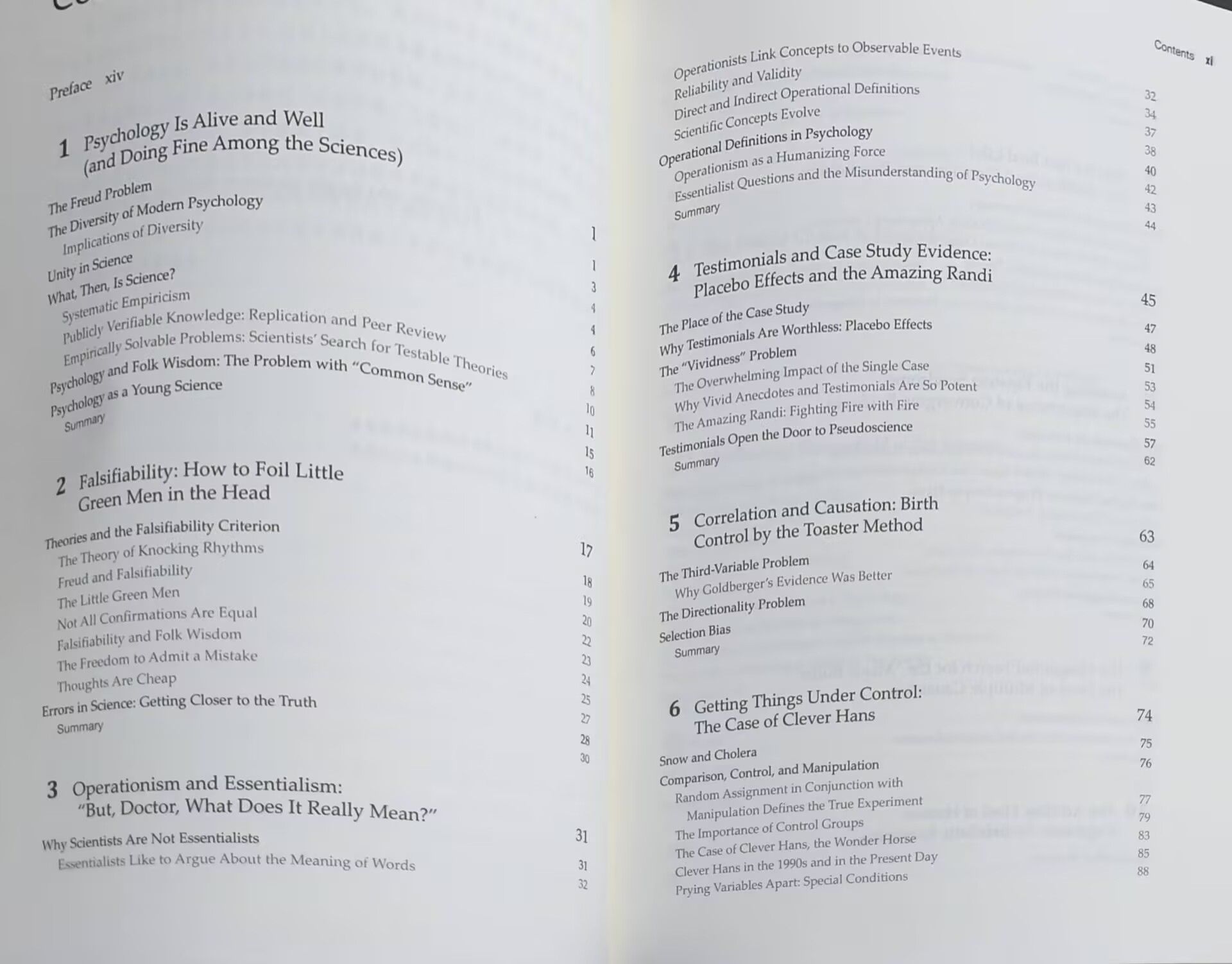
Recently I’ve been reading Stanovich’s How to Think Straight About Psychology, which is used as a freshman introductory course, and the first few chapters also cover the philosophy of science.
Heinlein sci‑fi anthology, Sapiens: A Brief History of Humankind. The former often has a plot that is overly open, while the latter is used to build vocabulary.
“Solomon’s Ring” Animal Behavior, the book title comes from the legend “King Solomon possessed a ring that could understand the speech of all things.”
The Lord Jesus said: “I tell you, do not contend with evildoers; if someone strikes your right cheek, turn the left cheek also for him to strike.”
Austrian renowned zoologist Conrad Lorenz said, “You turn your left cheek to the enemy not to let him strike you again, but to make it impossible for him to strike you further.”
The reasoning comes from the insight of wolves: when two wolves fight, each strives to protect its most vulnerable part, but when the fight cannot continue, the defeated wolf will deliberately expose its vulnerable neck. This action may seem like an invitation for the victorious wolf to bite it to death, but it is actually a means of self‑preservation.